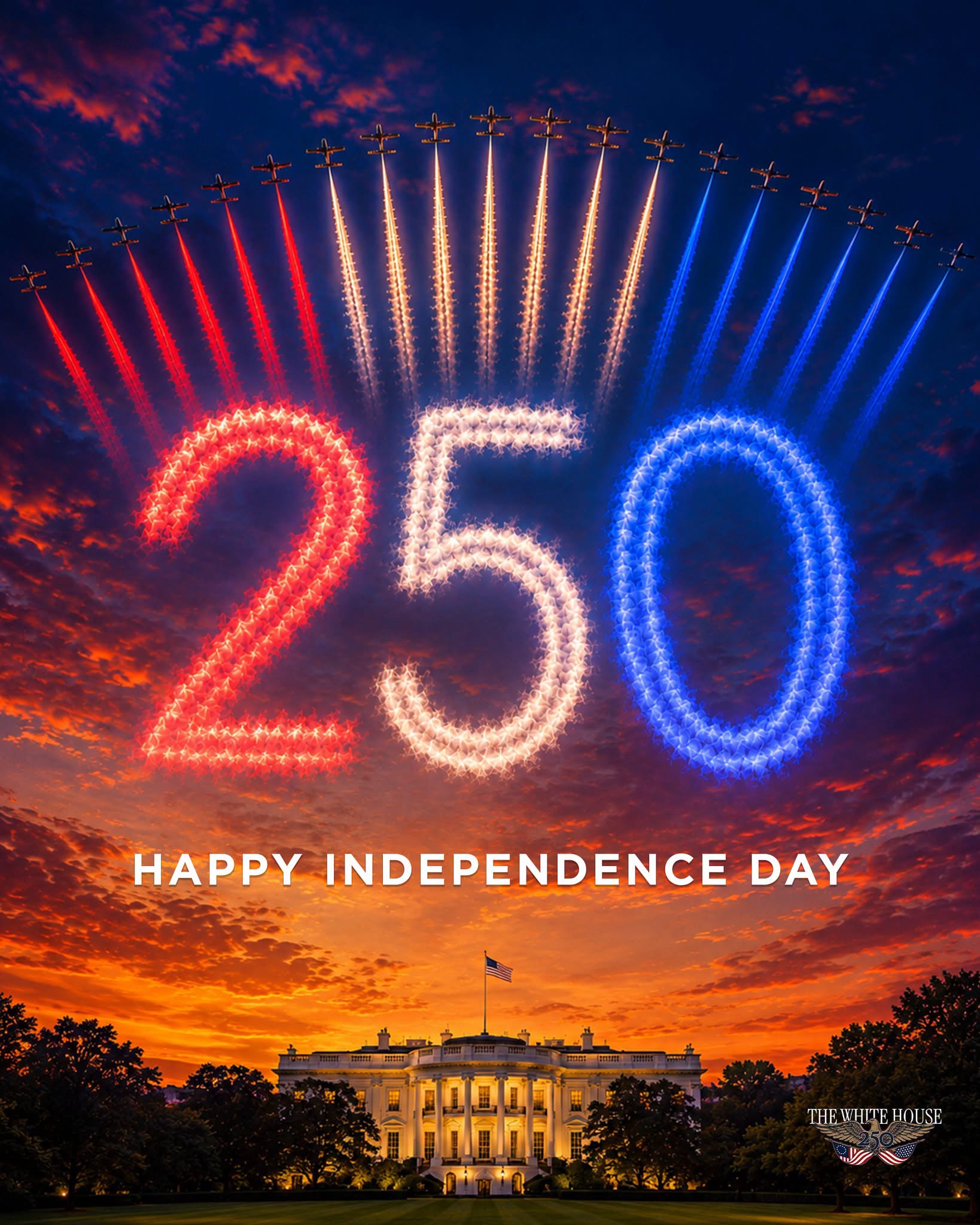
As the United States of America prepares to mark its historic 250th anniversary of founding, Karin Sullivan, Chargé d’Affaires ad interim of the U.S. Embassy to Barbados, the Eastern Caribbean, and the Organization of Eastern Caribbean States (OECS), has released an official statement reflecting on the nation’s legacy and its enduring partnerships across the Caribbean region.
In her address, Sullivan opened by grounding the 250th milestone in the core ideals that have shaped the United States from its founding: a commitment to democratic self-governance, individual liberty, and the constant pursuit of a more perfect union. She noted that over two and a half centuries, the nation has weathered profound challenges, from civil conflict to global economic upheaval and public health crises, emerging stronger with each generation’s commitment to refining and expanding the promise of American democracy.
Sullivan went on to center the deep, long-standing ties between the United States, Barbados, the Eastern Caribbean nations, and OECS member states. For decades, these partnerships have spanned every sector that matters to regional stability and shared prosperity: from collaborative public health initiatives that strengthen local health systems and expand access to care, to climate action cooperation that addresses the existential threat of sea-level rise and extreme weather facing small island developing states. Sullivan highlighted ongoing work in economic development, including support for small and medium-sized enterprises, expanded trade opportunities, and investments in education and youth exchange programs that connect emerging leaders across the region.
“Our shared history and shared values have created bonds that go far beyond formal diplomacy,” Sullivan said in the statement. “As we mark our 250th year, we reaffirm our commitment to walking alongside the people and governments of Barbados, the Eastern Caribbean, and the OECS to tackle shared challenges and seize shared opportunities.”
She also pointed to people-to-people connections as the foundation of the strong bilateral and regional relationships, noting that thousands of citizens on both sides have built personal and professional ties through study programs, cultural exchanges, and community cooperation. These grassroots connections, she emphasized, make diplomatic collaboration more effective and more responsive to the needs of all people.
Looking ahead to the year of celebrations marking the 250th anniversary, Sullivan invited regional partners to join in commemorative events that highlight shared values and shared goals, while also creating new space for deeper collaboration on the issues that will define the next chapter of transatlantic (and trans-Caribbean) cooperation. She closed by reaffirming that the United States remains committed to upholding the shared principles of democracy, respect for human rights, and collective prosperity that have guided both the U.S. and its Caribbean partners for decades.