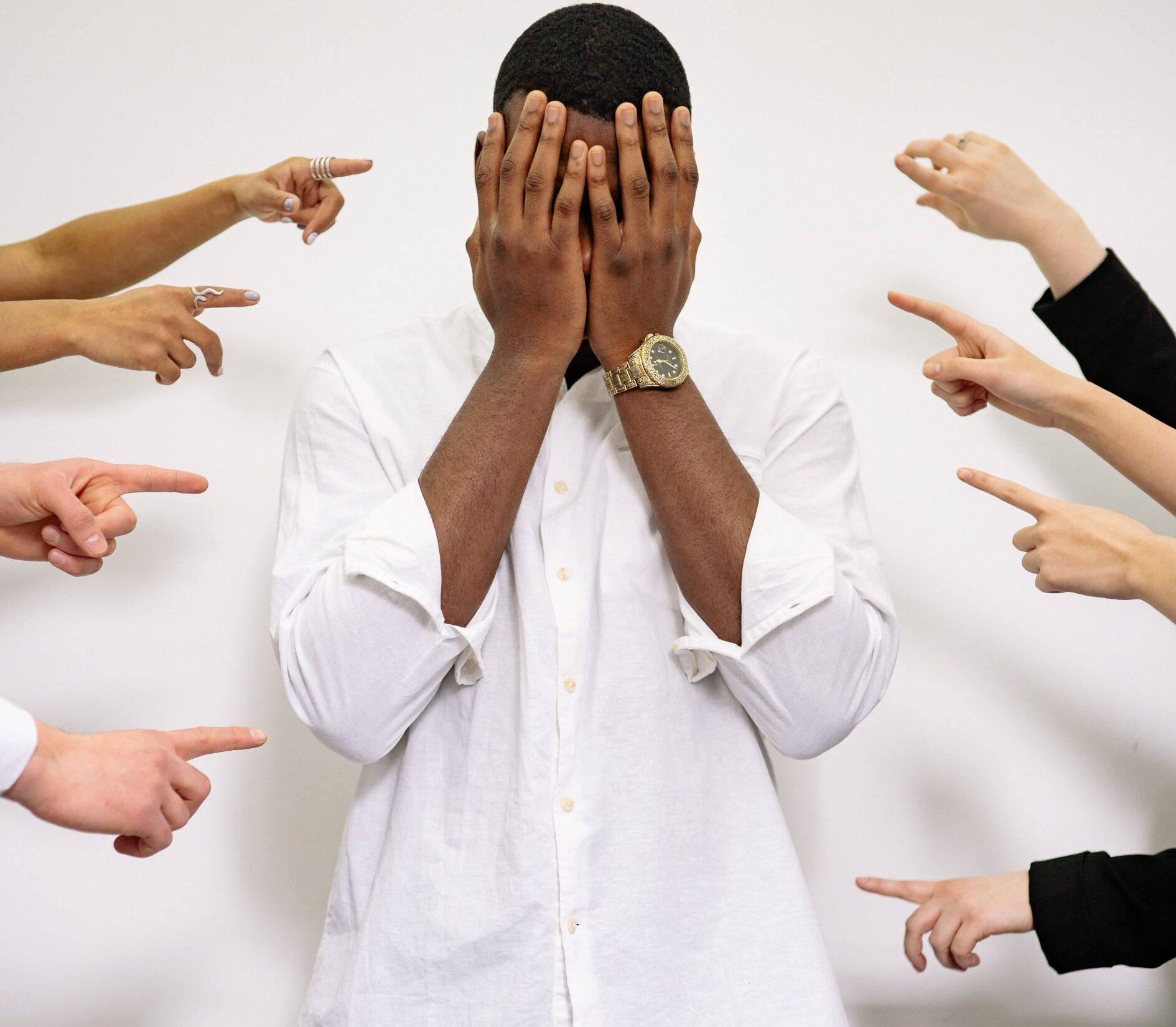
Sexual harassment is a pervasive societal and workplace issue that defies outdated gendered assumptions. Contrary to long-held popular narratives that frame women as the only victims and men as the sole perpetrators, people of any gender can experience harassment or perpetrate harm, and abuse can occur between people of the same gender.
In workplaces across Jamaica and much of the globe, unbalanced hierarchical power dynamics that prioritize employer perspectives over employee well-being create a toxic environment where many victims choose to suffer in silence. The very real threat of job loss, paired with the widespread absence of labor unions to advocate for workers, leaves victims doubly vulnerable. For male survivors in particular, the burden is uniquely heavy: coming forward often leads to intrusive questioning of their sexual identity, and deep-seated homophobic cultural norms across Jamaican society push many to endure abuse in isolation. Breaking this culture of silence requires action not just within individual workplaces, but across every layer of society, as the right to a safe working environment that protects both physical and mental health is a non-negotiable standard that must be enforced for all.
The rise of artificial intelligence has amplified the global crisis of sexual abuse, opening new avenues for harm that disproportionately impact women and girls. Data from one global survey shows that 38% of women have personally experienced online violence, while 85% of women who use the internet have witnessed digital violence against other women. AI-facilitated violence against women encompasses all AI-generated and AI-spread digital abuse that causes harm across physical, sexual, psychological, social, political, or economic domains, and infringes on women’s fundamental rights and freedoms.
AI-powered tools have enabled the spread of harmful practices like catfishing, where bots simulate human conversation to interact with unsuspecting women and girls, luring them into sharing private personal information or agreeing to in-person meetings. Deepfake technology, which uses AI to create digitally altered images, audio, and video that appear to show people saying or doing things they never did, is also increasingly misused as a tool of abuse. While deepfakes can have legitimate creative and entertainment uses, they are regularly weaponized to create non-consensual sexual content, spread disinformation, and destroy survivors’ reputations.
Across the Caribbean Community (CARICOM), progress on formal sexual harassment legislation began decades ago, with the framers of the 1973 Treaty of Chaguaramas explicitly identifying “The Position of Women in Caribbean Society” as a core area of regional cooperation. By 1997, several English-speaking CARICOM nations had already enacted targeted anti-harassment laws: Belize passed its landmark Sexual Harassment Act in 1996, followed by Guyana, which added protections against sexual harassment under its 1997 Prevention of Discrimination Act. In subsequent years, Barbados implemented the Employment Sexual Harassment (Prevention) Act in 2017, and Trinidad and Tobago updated its framework via the Equal Opportunity Act alongside a national workplace policy adopted in 2019.
In Jamaica, the modern legal framework for addressing sexual harassment took shape with the passage of the Sexual Harassment (Protection and Prevention) Act in 2021, which officially entered into force on July 3, 2023. The legislation extends legal protection against unwelcome sexual conduct across multiple settings, including workplaces, educational institutions, and landlord-tenant relationships, and grants survivors multiple pathways to seek redress: through internal workplace complaint processes or via a dedicated, independent Sexual Harassment Tribunal (SHT). The law formally defines sexual harassment as any unwelcome sexual advances, requests for sexual favors, or sexually offensive conduct that causes humiliation or creates a hostile environment. It mandates all employers to develop, publish, and enforce a written anti-harassment policy and establish formal internal complaint mechanisms. Offenders convicted by the SHT face penalties including fines up to 1 million Jamaican dollars, imprisonment, or both, depending on the severity of the violation.
Despite this legislative progress, compliance monitoring remains a major unaddressed challenge in Jamaica. While larger corporations with dedicated human resources and legal departments are far more likely to meet the policy requirement, small businesses with only two to five employees often lack the resources and guidance to implement the required protections, leaving workers in these settings vulnerable. For survivors seeking recourse, the law outlines clear pathways: if harassment occurs in the workplace, victims can first raise the issue with their human resources manager, and if the issue is not resolved internally, they can file a report with local police or a field officer from the Bureau of Gender Affairs, or bring a claim directly to the SHT once it is convened. For harassment occurring outside the workplace, victims can report to police for guidance on next steps, including filing a claim with the tribunal. Free mental health support is also available through the Victim Services Unit at the Ministry of Justice, which offers both in-person and online counseling for all crime victims, including survivors of sexual harassment.
To better understand and identify abuse, it is critical to acknowledge that sexual harassment takes many forms beyond physical violence. Verbal harassment includes unwelcome comments about a person’s appearance, body, or personal life, sexually explicit jokes, and gender-based insults — harm that perpetrators often dismiss as “compliments” that do not justify concern. Intimidation or bullying, even when non-sexual on its face, also qualifies as sexual harassment when used to coerce silence about abuse or punish survivors who come forward. Voyeurism, or the secret watching, recording, or photographing of a person in a space where they have a reasonable expectation of privacy (including homes, public restrooms, and changing rooms), is another common form of harm. Non-verbal harassment also includes sexually suggestive gestures, from winking and sexually explicit body language to suggestive hand or facial movements.
Jamaica’s 2021 Sexual Harassment Act is rooted in three core guiding principles aligned with international human rights standards. The first is a Human Rights-Based Approach (HRBA), a framework rooted in international human rights norms that centers on addressing systemic inequality, discriminatory practices, and unequal power distributions that leave marginalized groups behind. This approach aligns with Jamaica’s obligations under two key international instruments: the Convention on the Elimination of All Forms of Discrimination against Women (CEDAW) and the Convention on the Rights of the Child (CRC).
The second foundational principle is gender equality, which is enshrined in the Universal Declaration of Human Rights, which affirms that all people are born free and equal in dignity and rights, and that all people are entitled to equal protection of their rights without distinction based on gender or other status. Gender equality is not a standalone goal; it is a core requirement for achieving all 17 United Nations Sustainable Development Goals.
The third core principle is the right to decent work, as defined by the International Labour Organization (ILO). The ILO frames decent work as productive employment that pays a fair wage, provides workplace safety and social protection for families, and guarantees workers the freedom to organize and voice their concerns. Workplace safety inherently includes freedom from sexual harassment.
While the 2021 Act marks a major step forward, it is not without open questions and gaps that need to be addressed. Critics have noted the two-year gap between the law’s parliamentary passage in 2021 and its 2023 implementation, a delay that is particularly concerning given the pervasiveness of rape culture in Jamaican society that demands urgent action. There are also ongoing concerns about the potential for overly lengthy investigation and hearing processes, and the need for clearer guidance on high-stakes procedural questions, such as whether an accused employee should remain in their role during an active investigation.
Under current requirements, companies must appoint an Authorized Officer to receive and process internal workplace complaints, as well as an internal Anti-Sexual Harassment Dispute Settlement Committee. The Authorized Officer is required to assess each claim per internal procedures: if a matter is resolved via agreement, the outcome is recorded in company records; if not resolved, or if the officer deems it necessary, the claim is referred to the SHT. Jamaica’s international obligations under global protocols and conventions already recognize sexual harassment as a form of violence, a violation of human rights, and a barrier to equitable development. The ILO has formally categorized workplace sexual harassment as a violation of fundamental worker rights, a workplace health and safety hazard, a form of gender discrimination, an unacceptable working condition, and a form of violence that disproportionately harms female workers. ILO Convention No. 111 on Discrimination in Employment and Occupation explicitly links the elimination of sexual harassment to both worker well-being and overall workplace productivity.
Looking ahead, the growing intersection of artificial intelligence and sexual abuse represents not just a technical policy challenge, but a broader moral crisis that demands coordinated, cross-sector action. Addressing this harm requires collaboration between national governments, technology platforms, law enforcement agencies, and the international community, including binding cross-border treaties and coordinated enforcement to hold perpetrators accountable across jurisdictions. What is clear above all is that there is an urgent need for widespread, robust public education campaigns to shift cultural norms around sexual abuse and sexual harassment, and to empower survivors to come forward and seek justice.
This analysis was written by Wayne Campbell, an educator and social commentator focused on the intersection of development policy, culture, and gender issues.