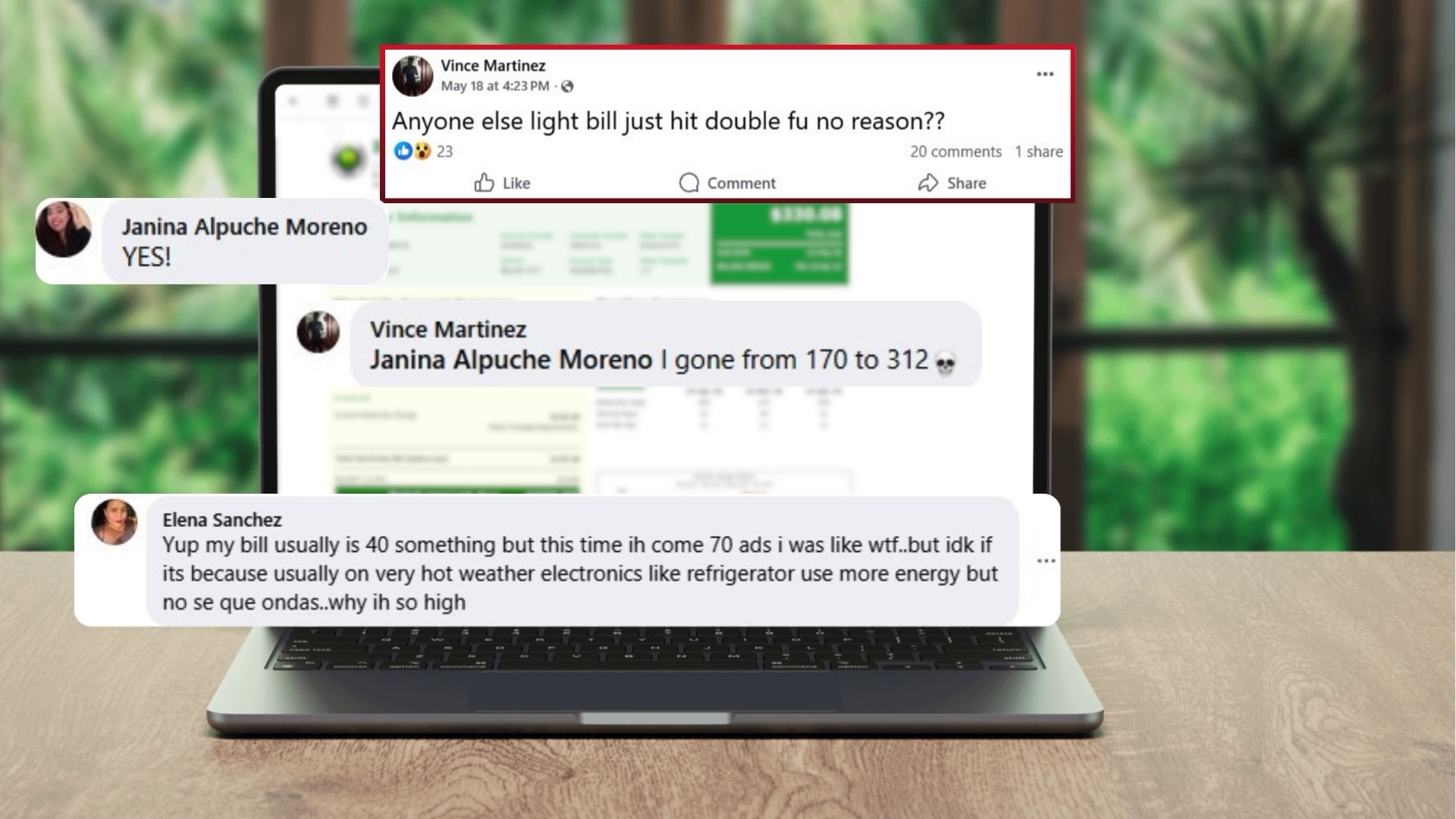
As summer 2026 settles over Belize, thousands of residential electricity customers have taken to social media and consumer forums to express outrage over unexpectedly steep utility bills, with many reporting charges that have doubled or even tripled compared to previous years. The spike has sparked widespread suspicion of faulty new smart meter infrastructure, but national utility provider Belize Electricity Limited (BEL) is pushing back against those claims, identifying record-breaking seasonal heat as the primary driver of increased costs.
In an interview addressing mounting consumer complaints, BEL Executive Chairman Lynn Young explained that prolonged higher temperatures force common household cooling and food storage appliances to operate far more intensively than during cooler periods. Refrigerators, ceiling fans, and air conditioning units all require additional electricity to maintain consistent performance when outdoor temperatures climb, driving up overall household energy consumption directly.
Young added that secondary factors often amplify the perceived jump in costs for many customers, most notably a GST pricing threshold that triggers full value-added tax on an entire bill once total usage crosses the 100-dollar mark. For example, a customer that typically pays 95 dollars pre-summer will see not just a 10-dollar increase from higher energy use when their consumption climbs to 105 dollars, but also a 12.5 percent GST applied to the full 105-dollar total, adding an extra charge that pushes the total bill even higher.
Additional variables can create misleading billing fluctuations as well, Young noted. When meter readers are unable to access a property’s meter due to locked gates, overgrown vegetation, or other barriers, BEL issues an estimated bill based on recent historical usage. If estimates are calculated during the cool months of February, March, or April, the gap between estimated use and actual high-consumption summer use will create a sharp jump when an actual meter reading is finally completed, resulting in a sticker shock for customers. Variations in billing period length, from the 28 days of February to 31-day May and extended cycles caused by scheduling delays, can also alter total monthly charges independent of changes in usage.
The rollout of new smart meters across Belize has drawn particular criticism from customers, who note that the sharp increase in bills coincided directly with the installation of the new metering technology. But Young rejected the claim that smart meters are overreporting consumption, noting that every customer complaint brought to BEL’s attention has been fully investigated, and no evidence of faulty or inaccurate meters has been found to date. Young even shared that his own personal household bill has risen between 60 and 70 percent this year, a change he attributes directly to increased air conditioning use during the hot weather. All smart meters deployed by BEL undergo rigorous accuracy testing before installation, Young confirmed, and the company has retained test documentation to verify their performance.
According to Young, this annual pattern of summer billing complaints is predictable: between 80 and 90 percent of all annual high bill inquiries are received during the hot summer months, driven almost entirely by increased energy demand for cooling. BEL anticipates that as temperatures drop in the second half of the year, average household energy use and corresponding monthly bills will decline correspondingly. The company encourages customers with ongoing concerns about their bills to contact BEL directly to schedule a meter inspection and review their individual usage patterns.