A high-profile public sector controversy unfolding in Belize has put a long-criticized internal personnel practice under renewed scrutiny, with a senior cabinet minister openly questioning the effectiveness of the country’s public service transfer system for underperforming staff. The debate emerged in late June 2026, against a backdrop of an ongoing investigation into alleged misspending at the nation’s Ministry of Defense, and has cast a spotlight on systemic gaps in public sector accountability.
At the center of the investigation is Salvador Alas, a finance officer who oversaw dozens of purchases under $10,000 at the Defense Ministry that are now being audited for potential irregularities. Rather than facing disciplinary action following the launch of the probe, Alas was reassigned to the Ministry of Sustainable Development, led by Minister Orlando Habet. Shortly after his transfer, Alas was placed on administrative leave pending further review of the allegations tied to his previous role.
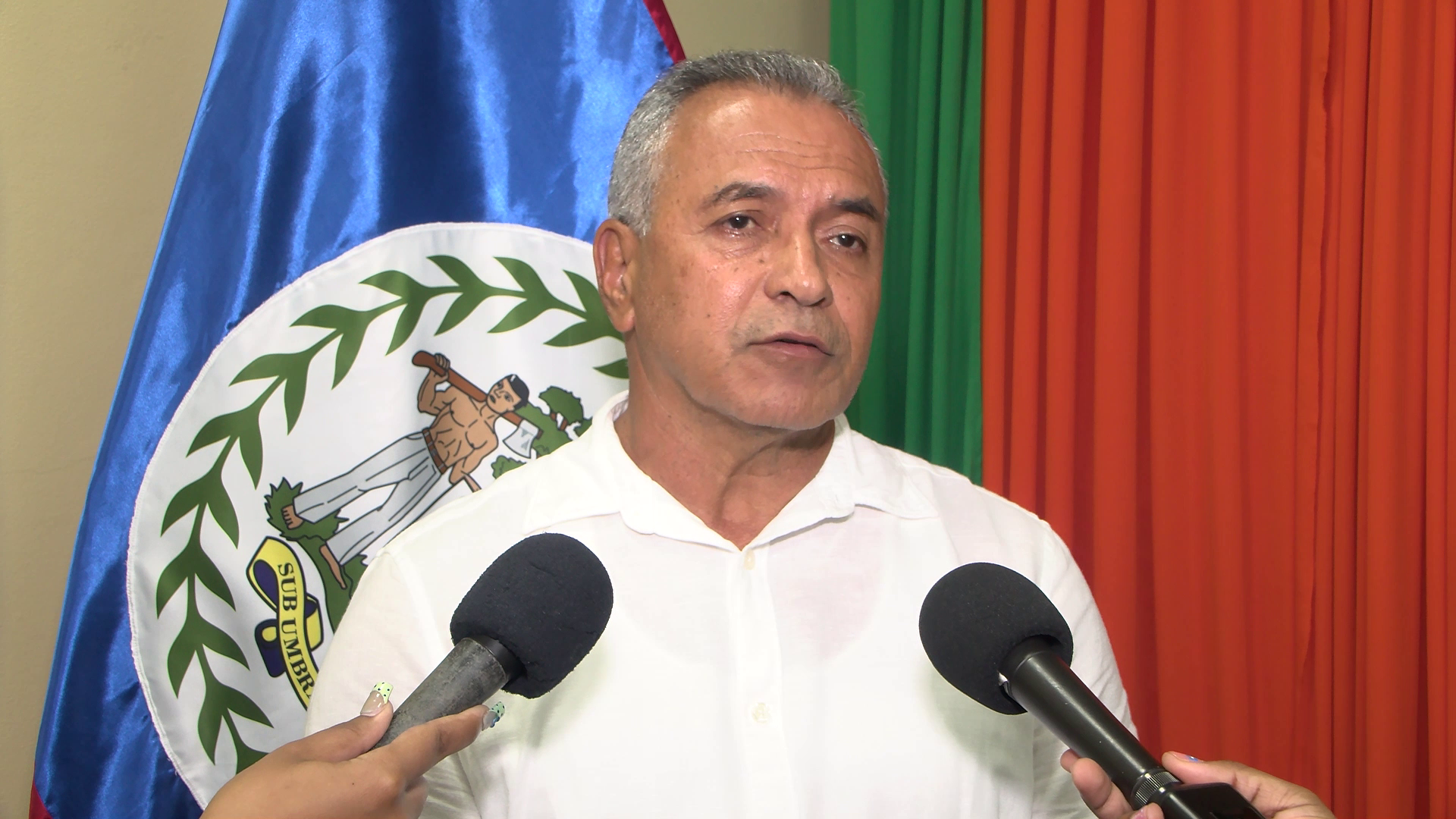
In a recent on-camera interview with local reporter Shane Williams, Habet acknowledged the widespread concern the case has raised about how public service administrators handle problematic employees. While the minister declined to comment directly on Alas’ ongoing suspension, citing that he had not been given full access to the details of the investigation, he did not hold back on criticizing the broader transfer policy that allowed the finance officer to move to his ministry in the first place.
Habet explained that under current public service rules, day-to-day financial operations and personnel management within each ministry are delegated to the department’s chief executive officer, rather than the elected cabinet minister heading the portfolio. “Ourselves as ministers are not directly involved in the daily work of the finance section. Maybe we should be more involved, but current legislation assigns those responsibilities to the chief administrative officer, the CEO, for each ministry,” Habet noted during the interview.
When asked if he saw the systemic risk of this transfer practice in his own department, Habet gave a clear and direct answer: yes. He argued that the current approach of rotating underperforming or problematic public officers between different departments does nothing to resolve underlying performance or conduct issues, instead simply shifting problems from one ministry to another.
“The public service has a limited pool of trained, experienced senior staff. It takes years for an officer to advance to a senior role like a ministry finance officer,” Habet explained. “When an employee doesn’t meet the performance expectations set by the minister and CEO, the common response right now is to request a transfer. All that does is move the problem around. It becomes an endless cycle that never gets fixed.”
Pressed on why Alas was ultimately placed on administrative leave after joining the Ministry of Sustainable Development, Habet confirmed that the action was tied to reported irregularities, but once again emphasized that the details of the case remain managed by the Public Service Ministry, not his own department’s leadership. “He falls directly under the purview of the Public Service Ministry, not my cabinet portfolio, so I have not been privy to all the specifics of the ongoing investigation,” Habet added.
This report is a written adaptation of a televised news interview broadcast on July 2, 2026, transcribed and published for online audiences.