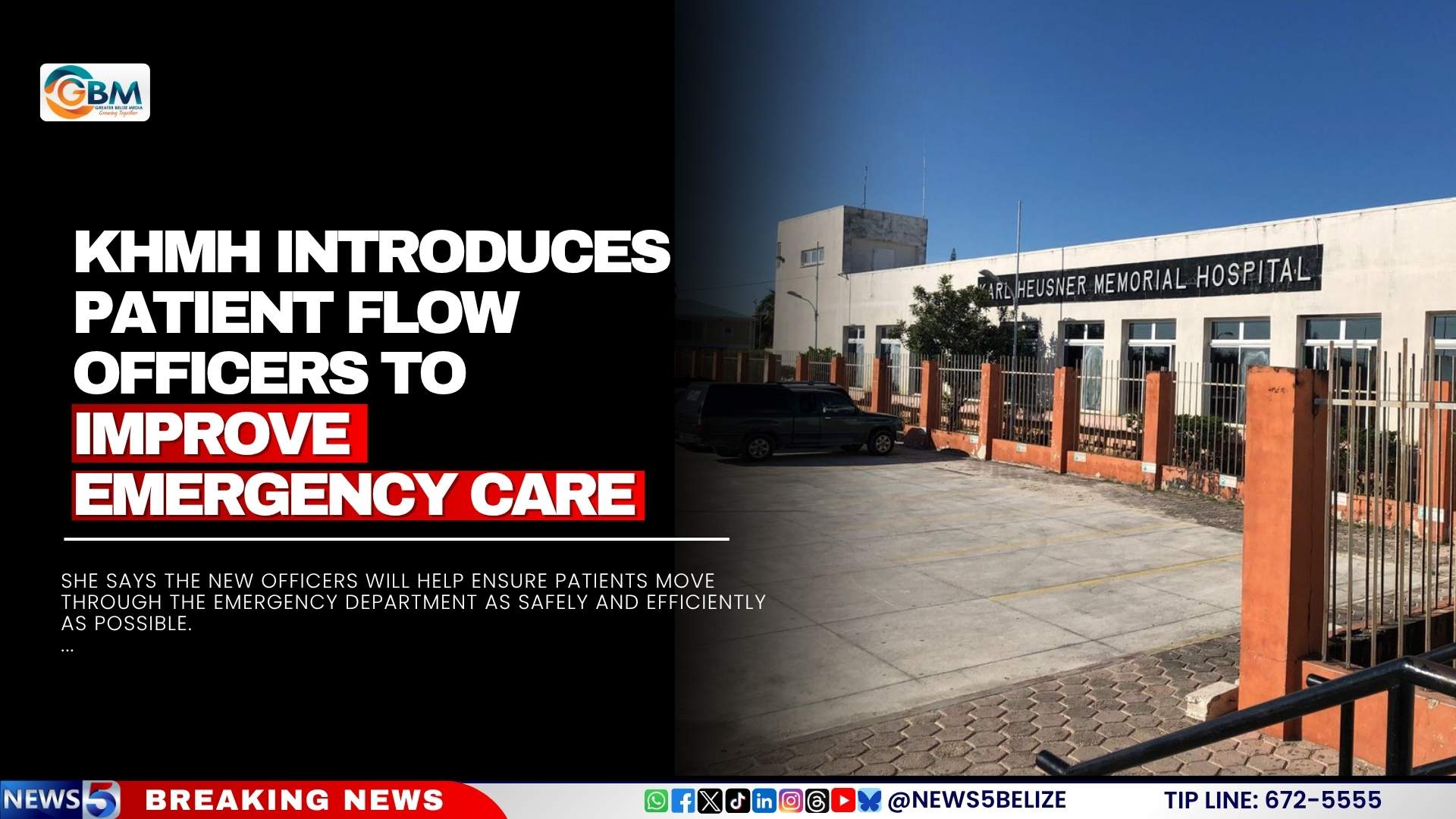
In a groundbreaking shift to address longstanding challenges in emergency care delivery, Belize’s Karl Heusner Memorial Hospital Authority (KHMH) has announced the launch of a dedicated Patient Flow Officer program for its Accident and Emergency Department, set to roll out in July 2026.
This initiative marks a historic first for the public hospital: for the first time in its history, specialized full-time staff will be assigned exclusively to manage and streamline patient movement through every stage of the emergency care journey. Sponsored by local insurance firm RF&G, the program targets one of the most common pain points in acute care settings: extended patient waiting times that have been linked to worse health outcomes and staff burnout.
The newly introduced Patient Flow Officers will take end-to-end responsibility for coordinating patient progress from the moment a patient arrives at the department through triage assessment, acute treatment, and either hospital admission to an inpatient ward or final discharge. Beyond basic coordination, these officers will collaborate directly with clinical teams, including doctors, nurses, laboratory technicians and administrative staff, to continuously monitor bottlenecks in patient movement, enhance cross-team communication, and resolve emerging delays before they disrupt care delivery.
Hospital leadership projects that the program will deliver widespread benefits across the entire emergency department ecosystem. Beyond cutting waiting times for incoming patients, officials anticipate faster bed transfers between the emergency department and inpatient wards, quicker turnaround for critical laboratory and imaging results, more robust and proactive discharge planning, and a more sustainable, efficient working environment for both care teams and patients.
KHMH Chief Executive Officer Sharine Reyes emphasized the clinical urgency of the reform, noting that prolonged waiting periods in emergency care are not just an inconvenience—they directly and negatively impact patient health outcomes. “Our top priority is ensuring every patient receives timely, high-quality care when they need it most,” Reyes explained. “This new role lets us proactively guide patients through the emergency department process as safely and efficiently as possible, addressing gaps that have slowed care for far too long.”