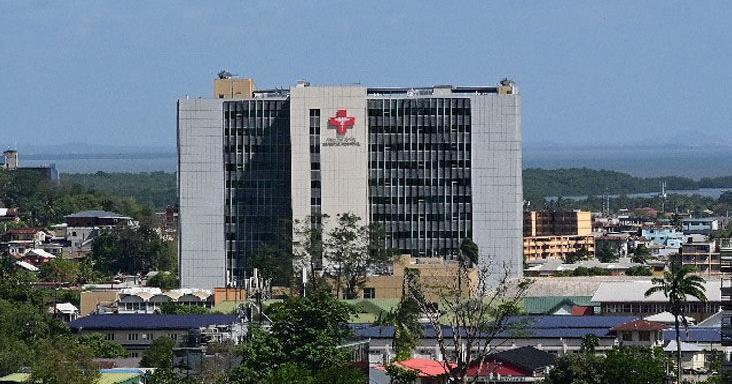
Years of delays and unforeseen disruptions are drawing to a close for one of Trinidad and Tobago’s most high-profile public infrastructure projects, with the long-awaited Central Block expansion of Port of Spain General Hospital now entering its final construction phase. Officials confirmed this week that the $1.3 billion, 540-bed facility is 97% complete as of June 23, 2026, and is on track to reach substantial completion by the new target date of July 14.
The update came in an official response from Trinidad and Tobago’s Ministry of Works and Infrastructure to local outlet *Express*, which had requested confirmation on whether the project had met its earlier revised completion deadline of June 30.
Project management lead, the Urban Development Corporation of Trinidad and Tobago, has set the July 14 milestone for the completion of all core structural and utility work, including mechanical systems, electrical wiring, plumbing, and information and communications technology infrastructure — all required pre-requisites before the facility can be formally handed over to health authorities for operational setup.
In a statement, the ministry highlighted that the project has made meaningful progress in transforming what was long a half-finished, underutilised construction site into a functional healthcare space nearing active service. Preparations for handover are already well underway, with the entire new wing having undergone a full deep cleaning to prepare for the arrival of clinical teams and patients. Once substantial completion is certified, the Central Block will be transferred officially to the Ministry of Health to launch full clinical operations.
First approved for construction by the previous Trinidad and Tobago government back in 2017, the project has faced a cascade of setbacks that pushed its completion far beyond initial timelines. Two of the most impactful disruptions were a 6.9 magnitude earthquake that struck the region in 2018, which caused construction delays and required structural reassessments, and the global Covid-19 pandemic that disrupted supply chains, slowed worker availability, and paused work on site for extended periods. The project’s progression towards completion marks a major win for public healthcare access in the region, addressing years of unmet demand for expanded hospital capacity.