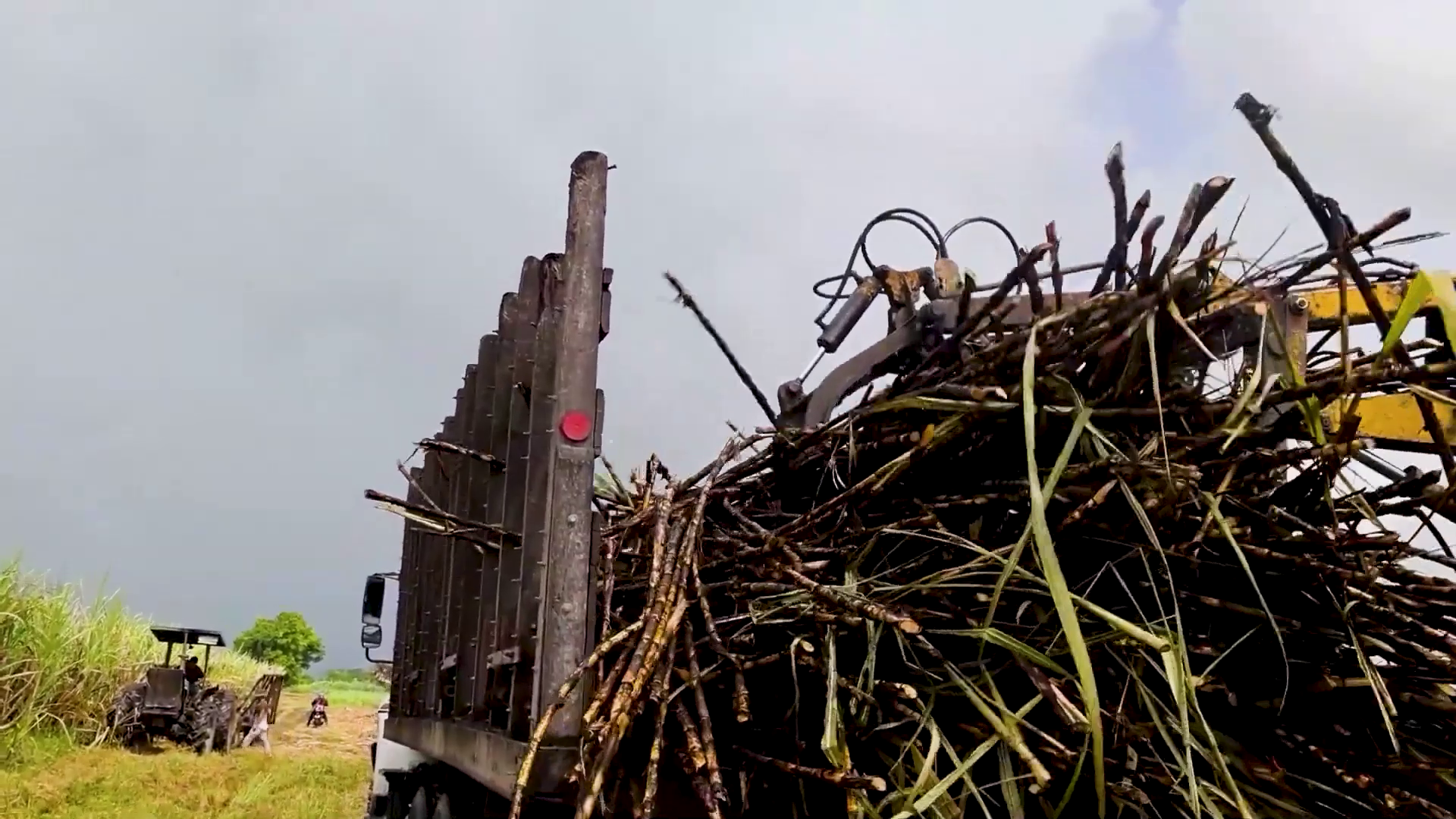
Belize’s 2026 sugar harvesting and processing season has wrapped up earlier than initially planned, a premature close that brings longstanding structural challenges in the country’s key agricultural sector back into the spotlight. Factories across the nation closed operations ahead of schedule after receiving far fewer sugar cane deliveries than industry projections had forecast.
While final output figures paint a mixed regional picture, aggregate production for the 2026 cycle has landed above 2025 levels. Northern Belize, a historic core of the country’s sugar production, recorded only marginal production gains compared to last year’s harvest. By contrast, the western region delivered a noticeable jump in output that lifted the national overall total.
Dr. Osmond Martinez, Minister of State for Economic Transformation, acknowledged that the industry has taken a small step forward in 2026, but emphasized that deep, sustained improvements will require major targeted investment and structural reform to lift lagging productivity, especially among small-scale cane producers in the north.
“In terms of overall performance, we are looking at a modest uptick from last year – just one to two percent improvement when looking at the full sector,” Martinez explained in an interview. “When broken down by region, the contrast is clear: the north is still struggling, but the west posted significant growth. Combining output from both regions, we are projecting a 10 to 15 percent increase in total raw sugar tonnage compared to 2025. So overall, the outcome is positive, but we are far from satisfied.”
Martinez pointed to ongoing government efforts to address the sector’s weaknesses, centered on large-scale investment projects targeting northern sugar producers. “The Government of Belize has already launched a stimulus push for the region: 14 million Belize dollars is being deployed through the CRESAP project, with an additional 50 million Belize dollars allocated through the Five Cs initiative,” he said.
The investment will focus on four core priorities to boost northern productivity: large-scale replanting of aging cane crops, improving soil quality, upgrading regional drainage infrastructure, and expanding knowledge sharing and technical training for micro, small and medium-sized enterprises (MSMEs) and small-scale family farmers that make up the majority of producers in the region. The early close of the 2026 season has underscored just how urgent these upgrades are to put the entire Belizean sugar industry on a more stable, competitive footing for the future.
This report is adapted from a transcribed evening television newscast originally published online.