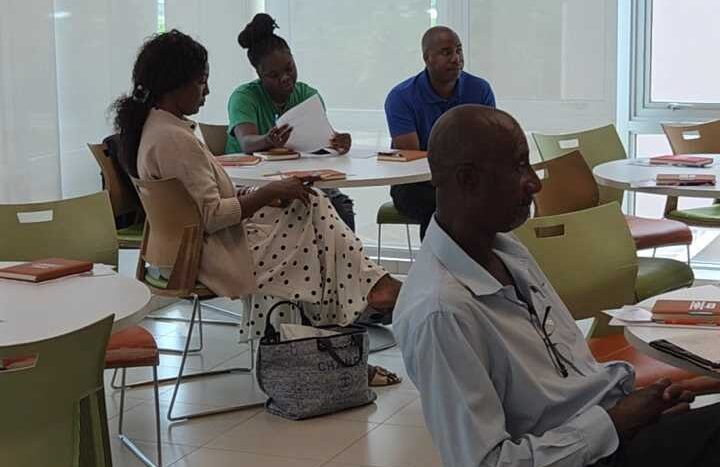
A landmark effort to revamp the Caribbean’s non-financial cooperative sector has gotten underway, as the Ministry of Energy, Business Development and Consumer Affairs has opened public consultations to draft the first-ever national policy framework for the segment. The initiative kicked off Saturday with a national stakeholder symposium, bringing together cooperative leaders, community representatives, and policymakers to collaborate on shaping rules that will govern the sector for decades to come.
Brent Gittens, Registrar of Co-operatives, opened the symposium by outlining the government’s core commitment to building a structured, long-term strategy that bolsters the sector’s sustainability, strengthens accountability and governance, and unlocks inclusive growth. Gittens emphasized that top-down policy development would fail to address the sector’s unique needs, stressing that any viable framework must be co-created by the organizations and workers that operate within it. “This policy … must be informed by the experiences, challenges, aspirations, and ideas of the people and organisations that make up the sector,” Gittens told attendees. He urged participants to bring unfiltered feedback on a wide range of pressing issues, from updating digital infrastructure to breaking down barriers to new market access.
Non-financial cooperatives—including agricultural producer groups, transport collectives, and consumer associations—have grappled with systemic, unaddressed challenges for decades, gaps that the new policy seeks to resolve. Many of the existing regulatory structures governing these groups date back to the 1980s, and have failed to keep pace with shifting economic conditions and new industry demands. The proposed framework sets three core priorities: bringing outdated regulatory and governance rules into the 21st century, expanding access to low-cost capital for small cooperative enterprises, and supporting national economic diversification efforts that align with the United Nations’ global Sustainable Development Goals.
Oriel Doyle, the lead consultant heading the policy drafting process, reinforced that the symposium was intended as a collaborative working session, not just a ceremonial formal event. Doyle made a clear pledge that every submission and comment from community and industry stakeholders would be directly incorporated into revisions of the draft policy before it is finalized. “A policy written without the voice of the people it governs is just a document; it is not a plan,” Doyle told delegates. “What makes it a plan is your practical, on-the-ground experience. We want honesty about what has and hasn’t worked so we can build a modernised legislative and regulatory framework.”