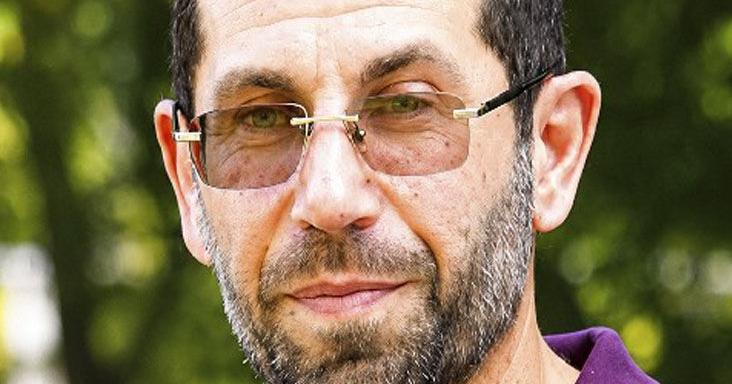
Trinidad and Tobago’s Minister of Homeland Security Roger Alexander has publicly called on the country’s citizens to step back and let law enforcement investigators complete their work into the high-profile detention of local businessman Dominic Hadeed, his wife Genevieve Hadeed, and Genevieve’s maternal aunt Star Sabga. Speaking at an event held at the Roslyn Hall and Lounge in Tunapuna yesterday, Alexander issued a clear warning against the rising trend of what he labeled “trial by social media” and premature judgment in the court of public opinion.
Alexander opened his remarks by stating he would not share any specific details about the ongoing investigation, noting that uniformed police officers require space to carry out their probe free of unwarranted external pressure. “What I can share with you at this time is that the police need to do their job, and I am one of the people who advocate that,” Alexander told attendees. He emphasized that law enforcement teams must be granted the space to pursue their inquiries both effectively and efficiently, without being swayed by widespread public commentary or ungrounded speculation about the case.
“In order to do that job effectively and efficiently, they must be given that option, that opportunity to do that, without this set of crosstalk and the court of public opinion making statements and thing,” he said. “Do your job and let’s see where we go from there.”
Alexander confirmed that the Trinidad and Tobago Police Service (TTPS) is advancing a targeted probe into the three detainees, and urged the public to wait for official conclusions before drawing any final judgments on the case. “All I can say is that the police are pursuing a particular type of investigation and we await the outcome,” he added.
The minister also voiced criticism of the flood of commentary on the case across social media platforms, calling out premature public statements from political figures — including remarks from the country’s Opposition that left him surprised. “The court of public opinion and the social media advocates and the persons who are making various statements…I was taken aback even by certain pronouncements made by the Opposition,” Alexander said.
He went on to defend the Office of the Director of Public Prosecutions (DPP), a cornerstone institution of Trinidad and Tobago’s justice system, highlighting the office’s critical role in upholding the rule of law. “The DPP holds an office in Trinidad and Tobago second to none,” Alexander said. Drawing on his own decades of experience as a former police officer, he shared that he has long observed the DPP carries out all official duties with extreme care and attention to detail. “He, from my knowledge and from my experience as an ex-police officer, is very meticulous in how he does things,” Alexander added.
Alexander’s address wrapped up with a broader appeal to national values, urging all citizens to prioritize respect for the rule of law — a standard he argued should be taught to children from a young age within family households. “Respect the rule of law. If you start with it at home as a parent, you will see your sons and daughters growing up respecting that,” he said.
He also warned that eroding public respect for legal and state authority carries profound long-term risks for the entire country. “When you as a citizen, or you as a society, or you as a country, start to pull away from that type of respect for authority, then what do you expect to happen?” he asked.
In closing, Alexander called on the public to allow the formal judicial process to proceed unimpeded, and to commit to accepting the court’s final decision regardless of outcome. “Let us move away from that and return to the day when a citizen was proud to be a citizen in Trinidad and Tobago and allow the court, where everybody does run to, make a decision, and we respect the outcomes,” he said.