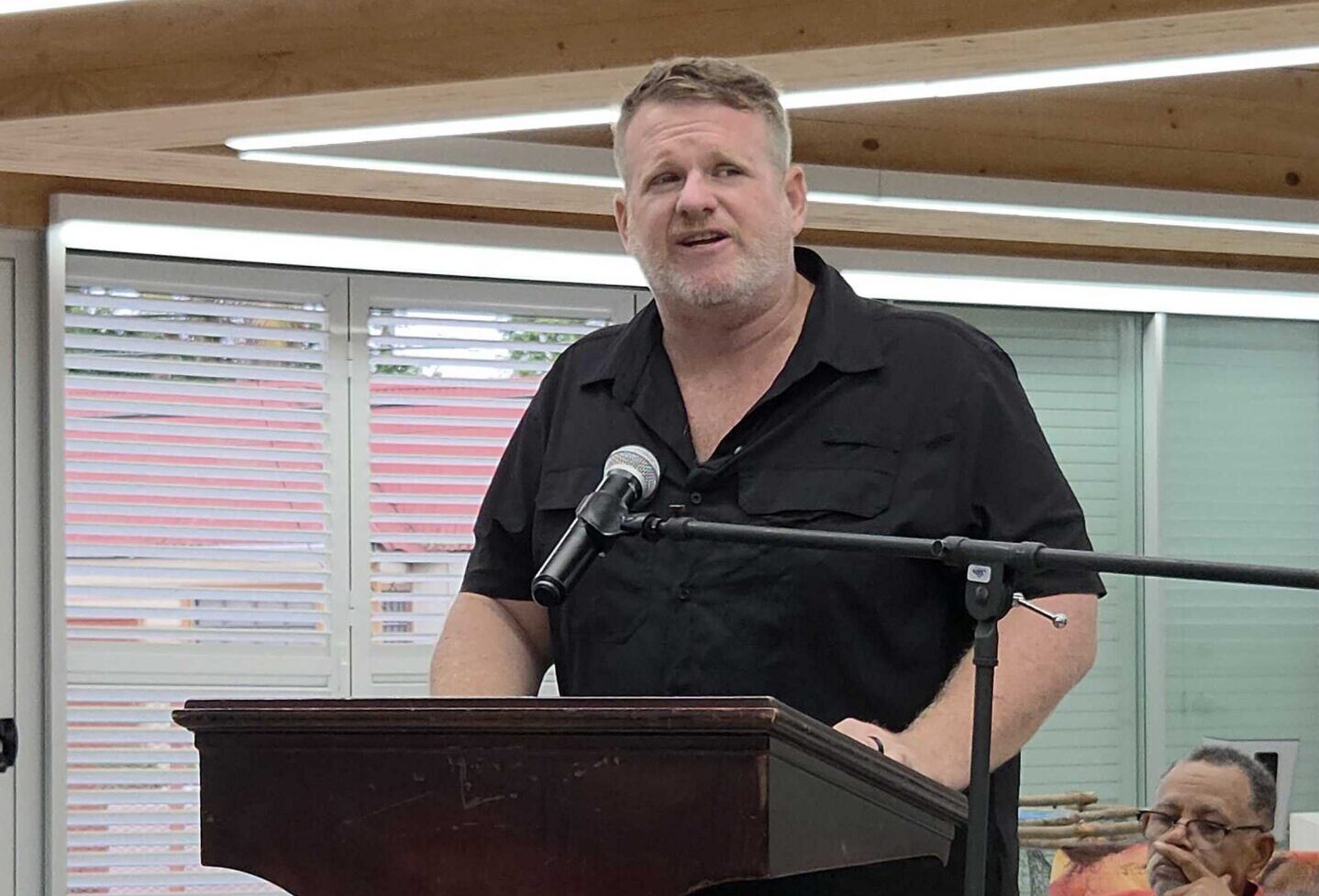
A recent heritage lecture held in Barbados has pulled back the curtain on the dual, world-shaping role Carlisle Bay played for the British Empire, highlighting its outsized influence as both a core engine of colonial wealth and a strategically critical military outpost in the Caribbean. The event, the latest chapter of the Standpipe Stories: The Bay Street Edition lecture series, was organized by The University of the West Indies in partnership with the We Gatherin’ Secretariat, and drew history enthusiasts and scholars to the Oceanic Hub on Bay Street on Saturday evening. A panel of three of the island’s most respected local historians — Dr Henderson Carter, Claudette Levi-Farnum, and Fredrick Alleyne — joined the discussion to unpack the bay’s layered past. Opening the event with a foundational keynote address, leading maritime historian Dr Jeff Ward walked attendees through how Barbados’ one-of-a-kind geographic positioning, paired with the natural protective and logistical features of Carlisle Bay, funneled unprecedented levels of wealth directly into the British Crown’s coffers over centuries of colonial rule. Dr Ward explained that Carlisle Bay functioned as the vital “maritime urban interface” connecting the colonial island to global trade networks: it was the entry point for thousands of indentured laborers and enslaved African people brought to work the island’s sugar plantations, and the departure point for processed sugar, rum, and molasses bound for markets across Europe and North America. Even seemingly small tax rates on this massive colonial trade carried extraordinary global financial weight, Dr Ward emphasized. The historian noted that the tax revenue generated from commerce moving through Carlisle Bay was the primary source of funding for interest payments on the entire British national debt during the peak of colonial sugar trade. “The volume of wealth coming out of here was absolutely staggering,” he told the audience. “We need to understand why British sugar mattered to the entire imperial project.” The rare combination of the bay’s natural geological features and Barbados’ strategic location eventually cemented the island’s status as Great Britain’s most valuable economic anchor in the Caribbean, as well as a key forward-operating military base from which the empire projected naval power across the region. To illustrate just how high the stakes of controlling the region were for 18th-century British leaders, Dr Ward paraphrased famous British Admiral Vernon’s own reasoning: “Without naval superiority, the French and the Spanish will take our islands and the commerce they produce.” Beyond its economic and military legacy, Dr Ward also shed new light on how the bay’s physical landscape has been dramatically reshaped over hundreds of years by extreme Atlantic weather systems. He detailed how repeated, powerful hurricanes tore massive coral formations loose from the sea floor, gradually depositing them to create permanent, well-known local landmarks including Pelican Island, a landmark that remains an identifiable part of Carlisle Bay’s coastline today.