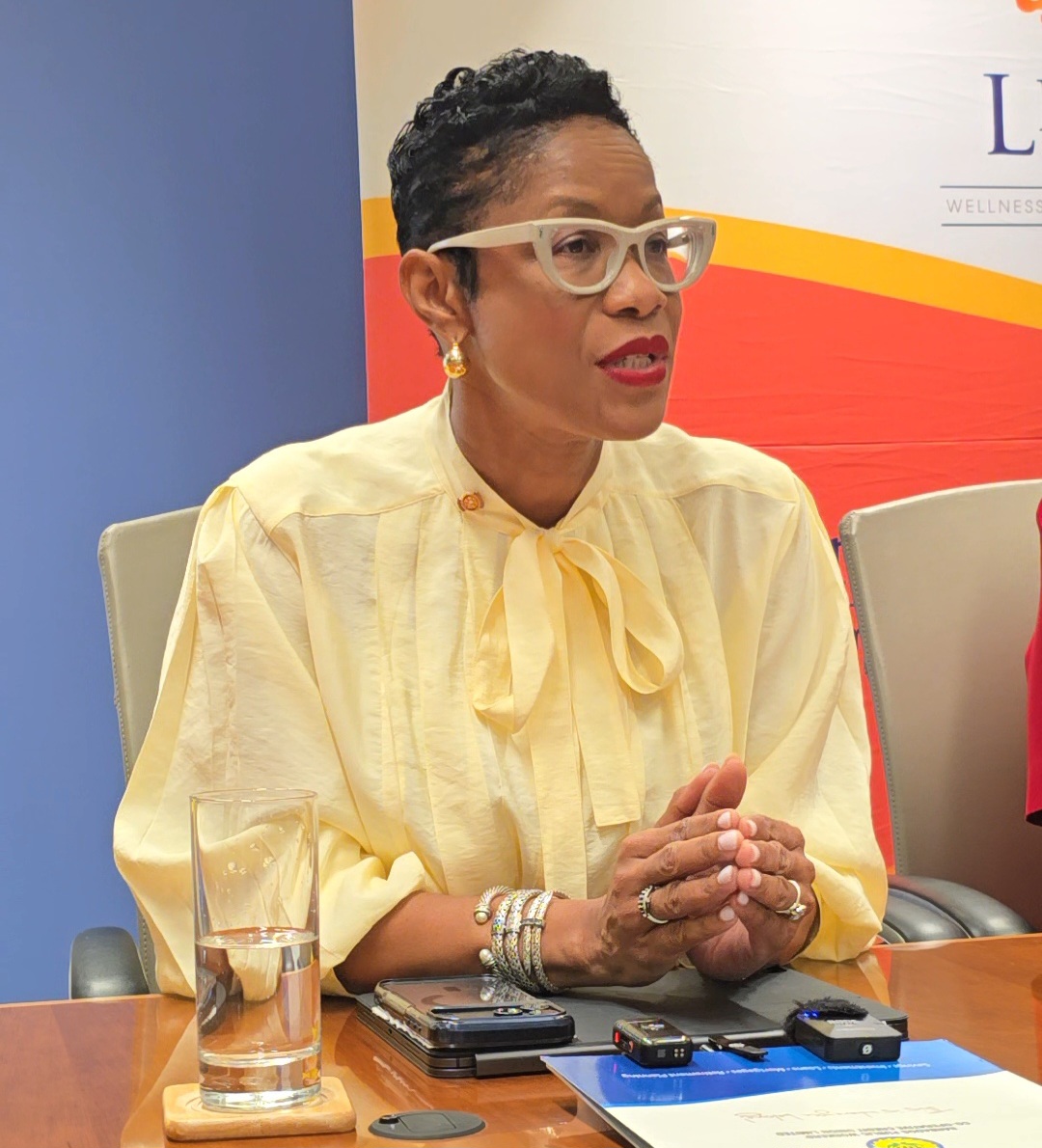
Barbados’ top health official has issued a formal call for collective action to strengthen the country’s public health services, announcing a planned targeted planning summit within two weeks to connect potential private and non-profit donors with frontline health institutions across the island. Health Minister Senator Lisa Cummins made the appeal Friday during the official launch and signing ceremony for the new Sensory Room project at the Albert Cecil Graham Development Centre, a collaborative initiative between the Legacy Foundation and the Rotary Club of Barbados South. The event was hosted at the Barbados Public Workers Co-operative Credit Union Limited on Belmont Road.
Speaking at the ceremony, Cummins outlined that the Ministry of Health and Wellness would reach out to corporate leaders, service clubs, and philanthropic organizations to participate in the structured summit, moving beyond the traditional ad-hoc donation model to a coordinated, needs-focused partnership framework. “This will not be a casual gathering,” Cummins explained. “We will bring all stakeholders to the table to map unmet needs across every tier of the national health sector, then directly match those needs with willing sponsors and community partners.”
Cummins emphasized that contributions can take many forms beyond large cash donations, welcoming diverse support ranging from funding for new medical equipment and facility refurbishments to hands-on volunteer time. “Even small acts of service make a difference,” she noted. “Whether you can fund a new piece of therapy equipment, refurbish a patient waiting area, or simply donate a few hours to paint a clinic wall or read to young patients, we want to build inclusion at every level – not just in the final public health outcomes, but in the work of getting there.”
The minister stressed that sustainable improvement to Barbados’ health services cannot be achieved by the government alone, rejecting the notion that public health challenges are “somebody else’s problem.” She argued that long-term change requires widespread active engagement from across all sectors of Barbadian society, rather than one-off donation events that leave the status quo unchanged after the media attention fades.
Under the ministry’s new plan, representatives from all public health facilities – including major hospitals, community polyclinics, and specialized care centers – will join potential partners at the summit to align on priorities. Cummins said the goal is to build a cohesive national network of support that addresses both high-profile health causes and underfunded, less visible needs across the sector.
“We want partners to step forward and commit to the specific causes they care about, whether that’s pediatric care, diabetes treatment, kidney care, cardiology services, or cancer support,” Cummins said. “We don’t just want to highlight the big, visible projects – we want to shine a light on the unmet needs that often fly under the public radar.” The ultimate vision, she added, is to grow a “genuine national ecosystem of philanthropy, service, and collective support” that sustains health institutions long-term.
Turning to the newly launched Sensory Room project, Cummins noted that continued investment in services for children with developmental disabilities remains a critical unmet need. The Albert Cecil Graham Development Centre, the only government-run facility of its kind, currently serves just 610 children and provides support to 164 families – a number Cummins called “a drop in the bucket” of the actual national need.
She praised the Legacy Foundation for its transformational vision in developing the sensory room, which will provide a safe, accessible space for children with neurodevelopmental and physical disabilities to play and engage with peers, and commended the Rotary Club of Barbados South for its sustained leadership in supporting vulnerable children across the country.
Cummins reaffirmed that the Barbadian government will continue to invest in specialized care services, but noted that cross-sector collaboration is essential to building a truly inclusive society. “We need partnership to build a Barbados that includes every child – those on the autism spectrum, those living with Down syndrome, those with cerebral palsy who need accessible spaces to grow,” she said. “We need to support parents who feel they have nowhere to turn, and empower the caregivers, teachers, and therapists who dedicate their lives to helping these children thrive. That is the future we are building together.”