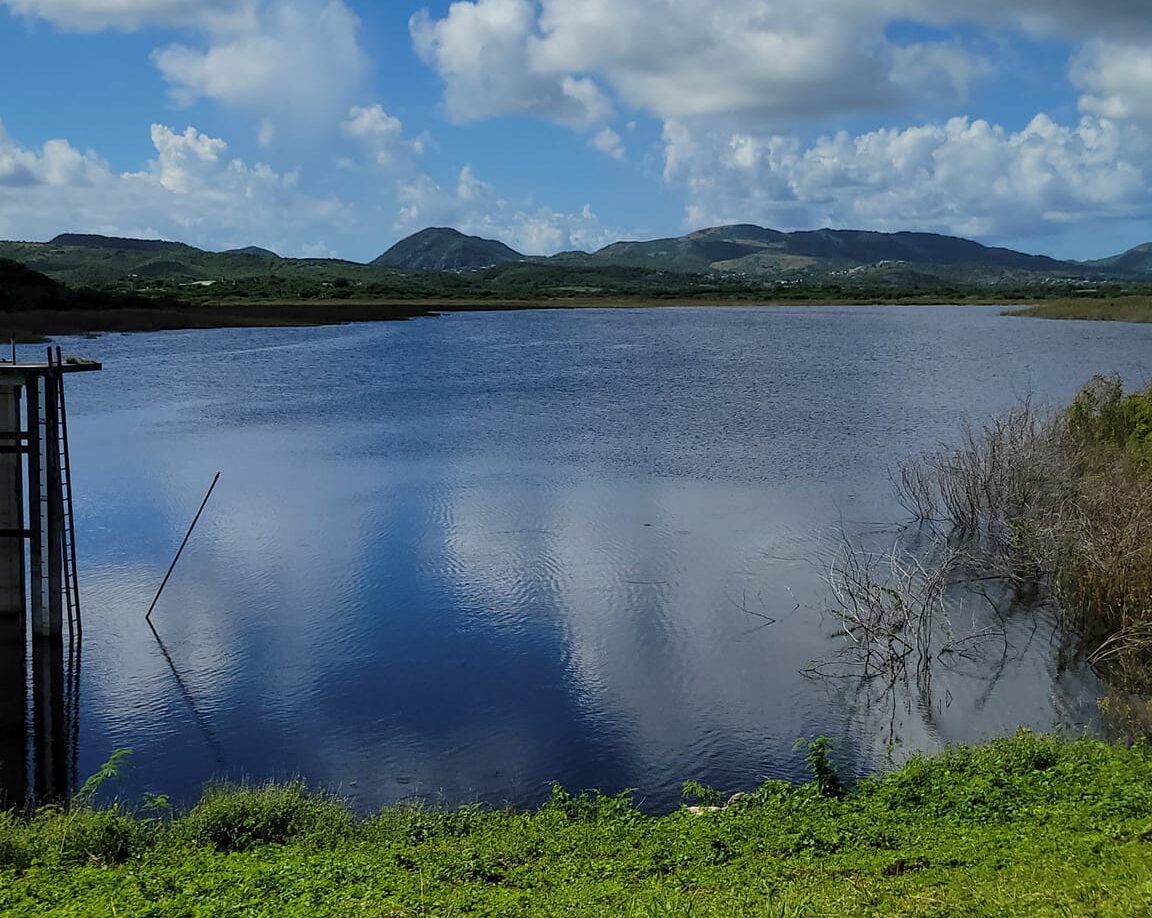
Antigua and Barbuda’s government has secured a $9 million international grant to build out critical water conservation infrastructure, a cornerstone policy initiative aimed at shoring up national food security and scaling up domestic agricultural output across the twin-island nation. The funding commitment was formally unveiled this Thursday at a post-Cabinet press briefing, following an update to the country’s Cabinet from Agriculture Minister Anthony Smith Jr. on the details of the financing package.
The grant is channeled through the Caribbean Development Bank, under the Food and Agriculture Organization’s dedicated Soil and Water Management Programme, a regional initiative focused on boosting climate-resilient agricultural practices across Caribbean small island developing states. Maurice Merchant, Director General of Communications for the government, outlined that the financing will go toward developing dams, water catchment ponds, and other high-priority soil and water management assets distributed across Antigua and Barbuda.
Merchant emphasized that this infrastructure project is a core plank of the administration’s broader national strategy to grow domestic food output, shore up water access for independent and smallholder farmers, and cut the agricultural sector’s heavy dependence on costly desalinated water for crop irrigation. “This initiative is set to meaningfully expand the country’s total irrigation capacity and deliver far more consistent, reliable water access to farming communities, especially when the nation faces drought conditions or extended dry seasons,” Merchant explained during the briefing.
To date, government planning teams have already finalized site selection for 10 new water storage facilities: eight locations earmarked for standard-sized dams, and two additional sites designated for large-scale “super dam” construction. Once completed, these interconnected facilities will form a unified national agricultural water storage network that captures and retains rainwater for use by the farming sector, drastically boosting the resilience of Antigua and Barbuda’s agricultural industry amid growing patterns of aridity linked to climate change.
Administration officials project that this targeted infrastructure investment will strengthen the country’s long-term food security framework by guaranteeing farmers a consistent, dependable supply of irrigation water, while simultaneously cutting operational production costs that come from purchasing expensive desalinated water for agricultural use. The $9 million grant stands as one of the largest recent investments in Antigua and Barbuda’s agricultural water infrastructure, aligning with the government’s ongoing policy priorities of expanding domestic food production and building national climate resilience across key economic sectors.