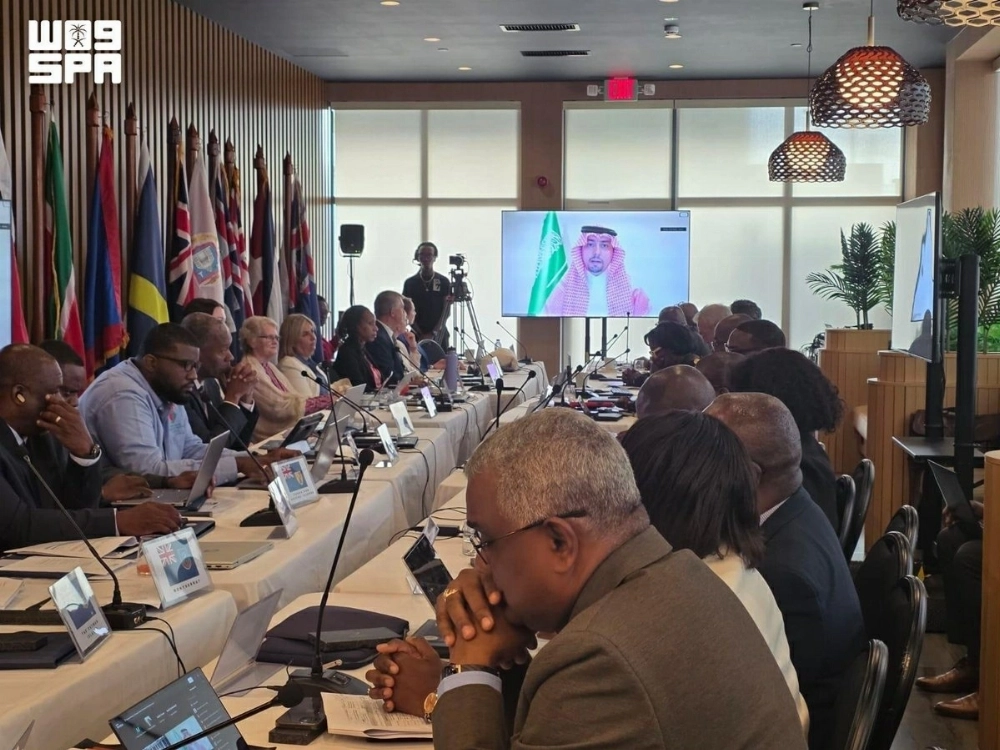
A groundbreaking new initiative aimed at boosting maritime governance across the Caribbean region has officially launched, with Saudi Arabia joining forces with the International Maritime Organization (IMO) to deliver targeted support to 14 developing island and coastal states across the region.
The partnership, dubbed the Caribbean Maritime Transport Sustainability project, was formally unveiled during the Fifth Regional Meeting of Directors and Heads of Maritime Administrations, held this week in Georgetown, Guyana. Over its two-year implementation period, the program will focus on addressing critical gaps in maritime regulatory and institutional capacity across beneficiary nations, which include Antigua and Barbuda, The Bahamas, Barbados, Belize, Dominica, Grenada, Guyana, Jamaica, Saint Kitts and Nevis, Saint Lucia, Saint Vincent and the Grenadines, Suriname, and Trinidad and Tobago.
At its core, the project is designed to bring national policy frameworks in line with global IMO standards, creating clear pathways for participating countries to ratify and put into practice the organization’s highest-priority international maritime agreements. Working in close coordination with the IMO’s regional office, the initiative will also provide hands-on support for drafting updated national maritime legislation and crafting long-term, sustainability-focused national maritime policy strategies.
Speaking at the launch event during the Georgetown meeting, Kamal Al-Junaidi, Saudi Arabia’s Permanent Representative to the IMO, emphasized the outsized role that ocean resources play in the daily life and economic prosperity of Caribbean communities. “For the countries of this region, the sea is not merely an aspect of life, but life itself,” Al-Junaidi stated, noting that Saudi Arabia draws on its own deep historical and economic ties to maritime activity to understand this core reality.
Al-Junaidi stressed that the long-term success and prosperity of all Caribbean nations depend entirely on maintaining waters that are safe, secure, and environmentally sustainable. Protecting these vital resources for future generations, he added, is a shared global responsibility that requires targeted investment in institutional and regulatory capacity for developing coastal states.
Central to the project’s design is the guiding principle that international maritime agreements only deliver meaningful public and environmental benefits when they are translated into enforceable, effective national law. Al-Junaidi concluded by outlining the project’s expected long-term outcomes: stronger national maritime legal frameworks, more efficient and capable regulatory institutions, and higher rates of global compliance that will ultimately allow Caribbean nations to take a more prominent and influential role in shaping global maritime governance.