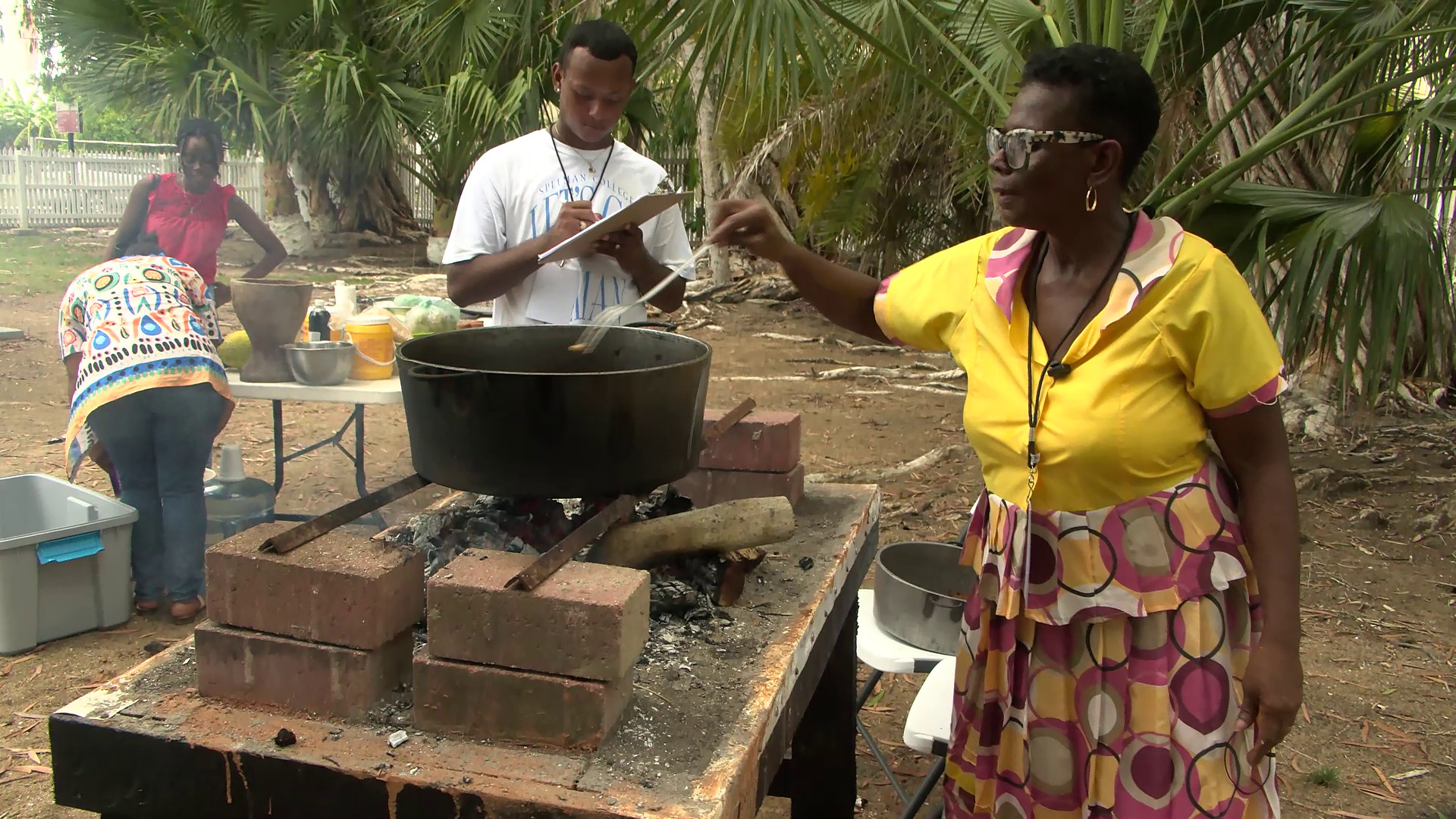
On June 24, 2026, the Museum of Belizean Arts in Belize City came alive with the sizzle of frying banana fritters and the rich, savory scent of spiced fried snapper, as the Belize Food Heritage Project hosted a community-focused cookout and workshop. This hands-on gathering brought together a diverse group of stakeholders: seasoned local chefs, lifelong cultural practitioners, everyday community members, and avid food lovers, all united by a shared mission to document, protect, and celebrate the extraordinary mosaic of Belize’s food culture.
At the core of the initiative is an ambitious long-term goal: securing a spot for Belizean culinary traditions on the UNESCO Representative List of the Intangible Cultural Heritage of Humanity, according to Rolando Cocom, Director of the Institute for Social and Cultural Research, which leads the project. Cocom explained that by the project’s conclusion, the team aims to catalog 80 distinct Belizean food traditions, complete with verified recipes, high-quality visual documentation, and oral histories. To build local capacity for this work, participating community members have received training in professional photography and videography, skills they put into practice at the cookout, where they documented their own cooking processes to add to the project’s growing national inventory.
This inventory, Cocom noted, is the same foundational resource that supported Belize’s successful 2025 nomination of Christmas Brammen Sambar to the UNESCO intangible heritage list, clearing a path for future international recognition of the country’s food culture.
The event was far more than a showcase: it was a hands-on exchange of intergenerational knowledge centered on traditional cooking techniques that have been passed down through centuries. Many chefs prepared their dishes on a fiyahaat, Belize’s traditional open-hearth cooking apparatus, and shared the closely guarded secrets that give local dishes their distinct character.
Baselio Pook, a chef from Racho Dolores who has cooked on open hearths for more than 18 years, summed up his approach simply: proper seasoning is everything. Pook explained that balanced seasoning, with a careful hand for salt, makes all the difference, and he swears by oak wood for heating his hearth, as it infuses a one-of-a-kind smoky flavor into his dishes. He also highlighted the superior flavor of free-range local Belizean chicken, noting that while the commercially raised broiler chicken has a softer texture, the slower-cooking, foraged local chicken delivers a far deeper, richer taste that can’t be replicated.
Another participating chef, Ainsley Castro, tested his own open-hearth skills preparing a hearty beef soup served with callaloo and chaya white rice infused with fresh coconut milk, after years away from traditional open-fire cooking. Castro emphasized that the core ingredient for any great traditional Belizean dish is not a spice or cut of meat, but intention: “The key to a good fire heart beef soup is starting with the love that you’re preparing it with your mind, and make sure that it come out good.” After years off the hearth, Castro found his skills remained sharp, proving that practice and passion keep culinary traditions alive.
For emerging chef Sasha Eiley, who worked alongside veteran cook Dorla Guiterez to prepare fried fish, banana fritters, hiu, and grapefruit porridge, the workshop offered far more than just cooking tips. She learned little-known regional variations of staple dishes, including “sweat rice,” a unique preparation from the Flowers Bank area that involves harvesting unripe green rice, boiling it, sun-drying it, and processing it by hand to produce a distinct brown finished rice. Beyond recipes, Eiley gained insight into the cultural histories and community stories that make Belizean cuisine unique.
Beyond cultural preservation, the initiative also frames Belize’s food heritage as a driver for sustainable growth across the country. Project leaders are exploring how elevating traditional food practices can boost cultural tourism, create new economic opportunities for small-scale food producers and chefs, and strengthen resilient, sustainable local food systems. Cocom noted that food heritage is a core draw for tourism, offering both returning Belizeans from the diaspora and international visitors an authentic, immersive connection to the country’s history and identity.
As the day of cooking, sharing, and documenting came to a close, the event reinforced a simple truth at the heart of Belize’s culinary traditions: behind every iconic dish is generations of knowledge, community connection, and love – the secret ingredient that ties Belize’s food heritage to its people, past and future.