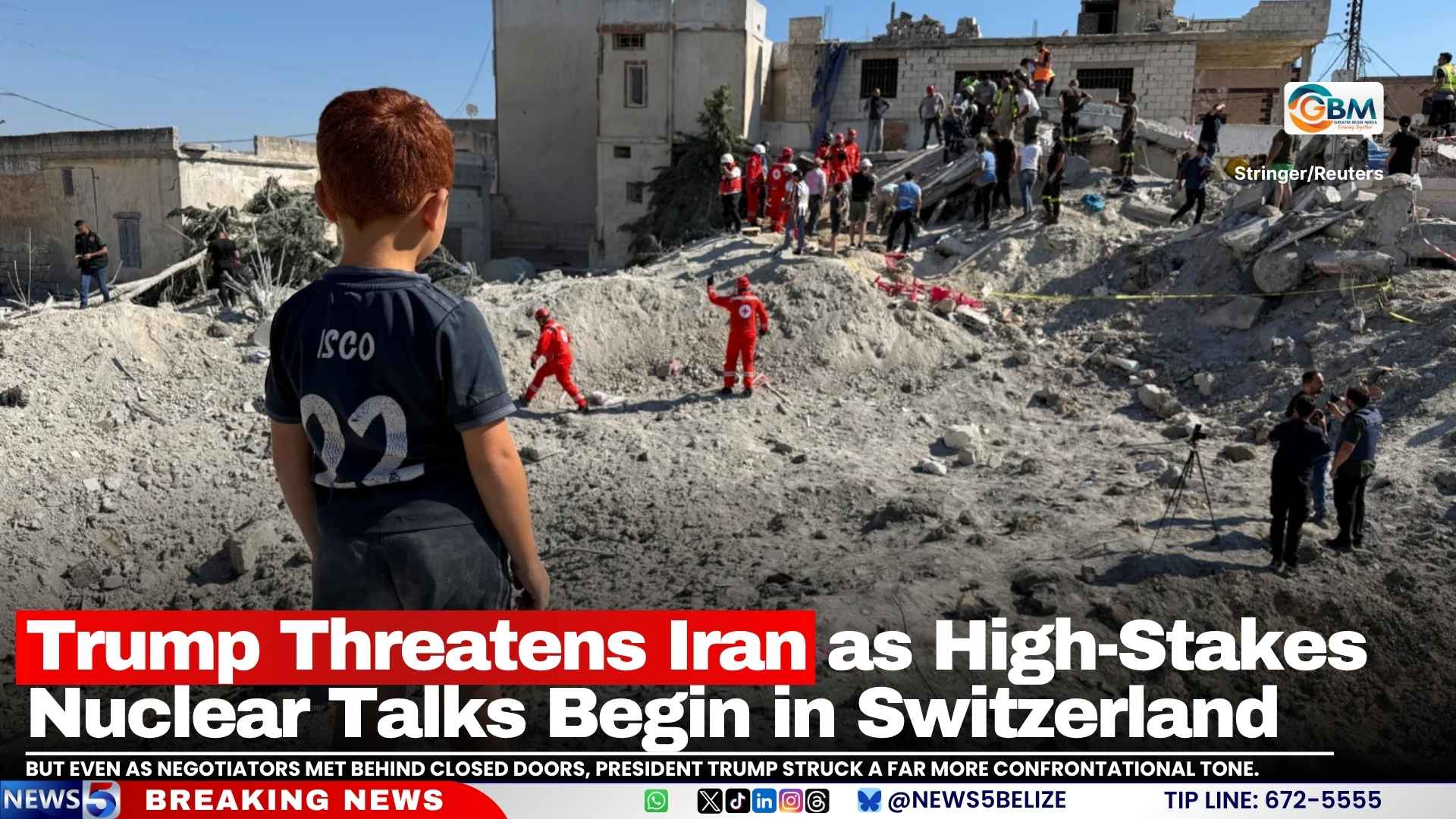
On June 21, 2026, long-awaited high-stakes negotiations between the United States and Iran kicked off in Switzerland, bringing fresh hope and deep uncertainty to the Middle East’s most intractable diplomatic standoff. But just as negotiators sat down behind closed doors, a stark public split between U.S. diplomatic messaging and presidential rhetoric threw the process into question, as former President Donald Trump issued a series of aggressive threats against Tehran that cast a shadow over the opening talks.
The discussions, which follow a preliminary memorandum of understanding signed by both sides last week, are being led on the American side by Vice President JD Vance, with senior Iranian national security officials representing Tehran. Unlike the informal exploratory talks held in recent months, this round has been framed by negotiators as the first phase of substantive final agreement negotiations, with three core priorities dominating the agenda. The first and most high-profile is Iran’s contested nuclear program, which has been a flashpoint for international tension for more than two decades. The two remaining flashpoints are the ongoing violent conflict in Lebanon involving Iran-backed militant group Hezbollah, and the future security and governance of the Strait of Hormuz — the narrow strategic waterway that carries roughly 20% of the world’s daily oil trade, making it one of the most critical global energy chokepoints.
Diplomats with direct knowledge of the initial proceedings told reporters that both sides have entered what they characterized as an “open dialogue,” working to map out the structural framework for a binding final agreement that could resolve decades of bilateral hostility. Ahead of the official start of negotiations, Vance struck a measured, pragmatic tone, outlining the Trump administration’s core conditions for a normalized relationship. “The United States stands ready to improve bilateral relations with Iran if Tehran abandons its role as a driver of regional instability and gives up all ambitions to develop a nuclear weapon,” Vance said in his opening public remarks.
But any momentum from the opening of talks was quickly undermined by Trump’s comments during a Friday interview with Fox News, where the president adopted a far more belligerent stance toward Iran. The president threatened that the U.S. would resume direct military action against the country if negotiators failed to reach a satisfactory final agreement, and went a step further by suggesting the U.S. could seize direct control of the Strait of Hormuz in the event of a collapsed deal. “We may take over the Strait if we have to,” Trump told the network. “If they don’t make a deal, we’ll collect tolls” from commercial vessels passing through the waterway.
Trump doubled down on the threat in comments directed specifically at the Iranian negotiating team, warning that if Iran followed through on its recent pledge to close the strategic waterway, “you won’t have a country.”
The president’s aggressive rhetoric came in direct response to an announcement from Iranian officials made one day before the talks opened. On Saturday, Iranian leaders said they would move to close the Strait of Hormuz in retaliation for what they call repeated Israeli violations of a fragile ceasefire agreement in Lebanon, and for what they say are ongoing failures by the United States to uphold the commitments it made in last week’s preliminary memorandum.