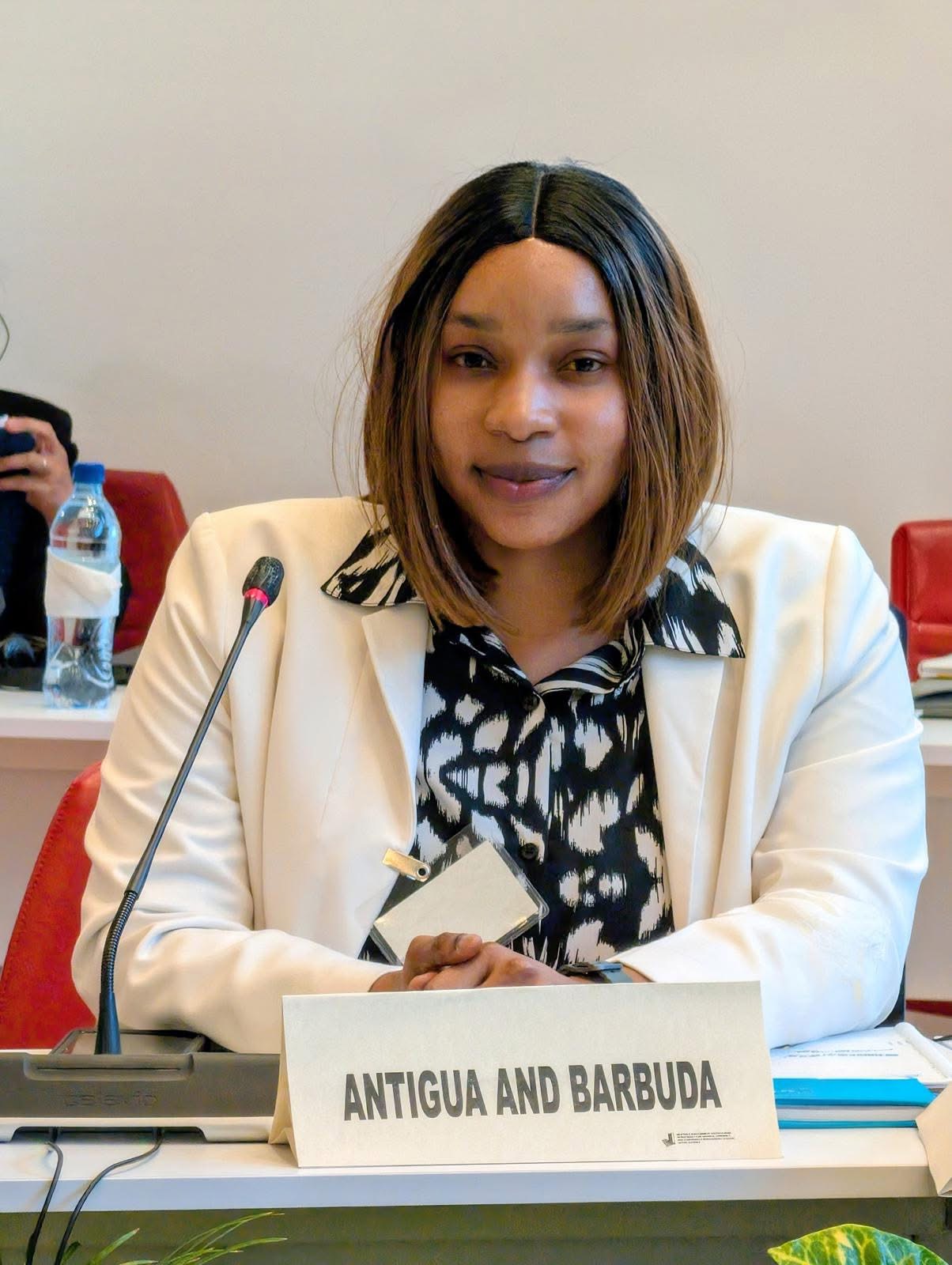
MANAGUA, NICARAGUA – In a recent gathering focused on advancing global decolonization goals, representatives from Antigua and Barbuda have publicly reaffirmed their longstanding solidarity with the Government and people of the British Virgin Islands (BVI) as the territory pushes forward its pursuit of full political self-determination. For nearly a quarter of a century, Antigua and Barbuda has leveraged its position within a key United Nations body – the Special Committee on the Situation with Regard to the Implementation of the Declaration on the Granting of Independence to Colonial Countries and Peoples – to champion the cause of political independence for multiple non-self-governing territories across the Caribbean, including the BVI. This work aligns with the United Nations’ ongoing framework of the Fourth International Decade for the Eradication of Colonialism, a global initiative dedicated to ending colonial rule worldwide. The Special Committee convened its annual Caribbean Regional Seminar in Nicaragua this year, a key gathering that brings together regional stakeholders, envoys, and representatives to advance the decolonization agenda. During the seminar, BVI Special Envoy Benito Wheatley presented a comprehensive update on the territory’s upcoming constitutional negotiation process with the United Kingdom, the current administering power for the BVI. Representing Antigua and Barbuda at the Central American seminar was Dr. Jerri-Anne Jeremy, Second Officer of Antigua and Barbuda’s Permanent Mission based in New York. In her address to assembled delegates, Dr. Jeremy explained that Antigua and Barbuda’s support for the BVI’s self-determination journey is deeply rooted in shared experience: the two nations are bound by overlapping colonial histories, close cultural connections, and generations of familial ties. She emphasized that Antigua and Barbuda’s own transition from a former British colony to an independent sovereign state has given the nation a unique and personal commitment to supporting other territories still working toward full self-governance. “We continue to regard the decolonization process as one of the United Nations’ most important responsibilities, and we reaffirm our full commitment to the core objectives of the Fourth International Decade for the Eradication of Colonialism,” Dr. Jeremy stated during her remarks. Dr. Jeremy also extended formal congratulations to the BVI government on the completion of its landmark legislative reform initiative, widely described as the most sweeping package of governance changes in the territory’s history. She specifically noted that these progressive reforms directly enabled the United Kingdom to lift the previous Order in Council, a controversial regulatory measure that had allowed for the full suspension of the BVI’s constitution and the imposition of direct UK rule over the territory. Dr. Jeremy made clear that while Antigua and Barbuda remains a committed close partner to the United Kingdom, the nation recognizes that constructive collaboration between the administering power and the BVI government is critical to the continued strengthening of democratic governance institutions within the territory. Beyond the constitutional reform process, Dr. Jeremy highlighted the BVI’s growing leadership footprint across regional and international multilateral bodies, noting that the territory already holds prominent positions in the Economic Commission for Latin America and the Caribbean (ECLAC), the Caribbean Development and Cooperation Committee, the Regional Conference on South-South Cooperation, and the BVI-UN Sustainable Development Forum. “These collective achievements clearly demonstrate the territory’s growing institutional maturity and its expanding capacity to participate meaningfully and effectively in both regional and global affairs,” Dr. Jeremy observed. Antigua and Barbuda has been an active member of the UN Special Committee on decolonization for 23 years, with the nation’s former Permanent Representative to the United Nations, Dr. Walton Webson, once serving as chair of the committee. In addition to the BVI, five other remaining Caribbean non-self-governing territories fall within the scope of the committee’s regional work.
Antigua and Barbuda expresses support for BVI’s aspirations for greater self determination