The Caribbean Development Bank (CDB) has officially launched a groundbreaking regional technical assistance initiative designed to transform the Caribbean’s energy landscape by scaling up renewable energy adoption and integrating national electricity grids across neighboring nations. Dubbed the Caribbean Regional Electricity Grid Interconnection and Renewable Energy Scaling Technical Assistance Project (CREGI-RES), the effort marks a critical turning point in the region’s decades-long fight to break free from costly, carbon-intensive dependence on imported fossil fuels.
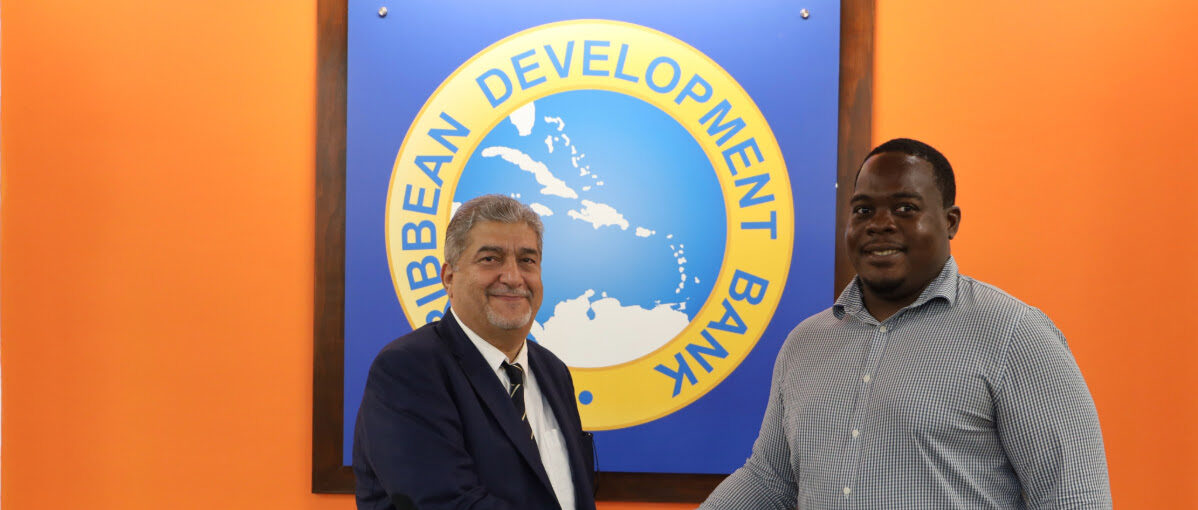
At the project launch ceremony, key stakeholders including Dr. Sherine Ibrahim, Sustainable Energy Specialist at CDB, and Kyle Farnum, Energy Programme Manager for the European Union, gathered to mark the start of what planners hope will become a blueprint for sustainable energy transition across the small island developing states of the Caribbean. L. O’Reilly Lewis, Director of CDB’s Projects Department, emphasized that collective regional action is the only viable path to solving shared energy challenges that no single nation can tackle alone. “Regional cooperation through this Technical Assistance unlocks opportunities individual countries cannot achieve alone. The potential benefits could be significant and now must be tested through rigorous analysis,” Lewis noted at the event.
For years, Caribbean nations have faced some of the highest retail electricity prices in the world, a burden directly tied to their overwhelming reliance on imported petroleum and coal to meet domestic power demand. Despite the region holding enormous untapped renewable energy potential—including abundant geothermal reserves, strong offshore wind resources, consistent solar irradiation, and viable hydropower sites—clean energy currently makes up only a small fraction of the region’s total installed generation capacity. CREGI-RES was developed specifically to address this gap by laying the groundwork for coordinated regional action.
Over the course of the project, technical teams will conduct a comprehensive feasibility assessment of a range of integrated energy solutions. Key areas of analysis include the potential for cross-border submarine electricity interconnections, targeted upgrades to aging transmission infrastructure, and strategies to speed up the deployment of utility-scale renewable energy technologies across the region. The assessment will also quantify how integrated regional energy systems could deliver tangible benefits to consumers, including lower monthly electricity bills, more reliable power supply, reduced vulnerability to volatile global fossil fuel price swings, and strengthened resilience to extreme climate events that increasingly threaten small island energy infrastructure.
To guide the initiative, CDB will appoint a dedicated full-time Grid Interconnection and Renewable Energy Scaling Advisor, who will lead the development of a detailed actionable regional roadmap. The roadmap will address core barriers to progress, including inconsistent regulatory frameworks, gaps in institutional capacity, and challenges in building competitive regional power markets. The project will also establish cross-cutting thematic working groups and host a series of inclusive stakeholder engagement activities, including regional workshops and country-level dialogue sessions, to identify and resolve regulatory and policy barriers that have historically deterred clean energy investment. A central priority of these efforts is to create an enabling policy and market environment that can attract large-scale long-term private sector financing for renewable energy and grid projects.
Total funding for the $1.5 million technical assistance project comes from multiple global development partners, aligned around shared climate and energy goals for the Caribbean. CDB is contributing core financing through its Special Funds Resources, with additional support coming from the European Union Caribbean Investment Facility (EU-CIF) Geothermal Risk Mitigation Programme, France’s Agence Française de Développement, and the Government of Canada through its Sustainable Renewable Energy Generation (SuRGE) programme. Implementation of the project is scheduled to run through early 2028, with the first draft of the comprehensive regional roadmap expected to be released for public consultation in 2027.
CDB officials note that the ultimate success of the initiative will depend on the findings of rigorous technical, environmental, financial, and social assessments, as well as subsequent buy-in and investment commitments from participating Caribbean governments and international funding partners. If realized, the project’s recommendations are expected to deliver widespread benefits including expanded renewable generation capacity, reduced regional carbon emissions, more affordable electricity for households and businesses, improved climate resilience, and new job opportunities in the fast-growing clean energy sector.
CREGI-RES is a flagship initiative under CDB’s Accelerated Sustainable Energy and Resilience Transition 2030 (ASERT-2030) Framework, and aligns directly with the development bank’s core strategic priority of expanding green energy investment across all its Borrowing Member Countries. The project also aligns with the broader energy transition agenda of the Caribbean Community (CARICOM) and supports the region’s collective climate commitments under the Paris Agreement, reinforcing the Caribbean’s ambition to take a leading role in the global transition to low-carbon sustainable energy systems.