The Caribbean island nation of Barbados has marked a major milestone in global public health, as its Best dos Santos Public Health Laboratory (BDSPHL) has been officially designated a Pan American Health Organization/World Health Organization Collaborating Centre, positioning the country as a regional leader in the urgent battle against antimicrobial resistance (AMR).
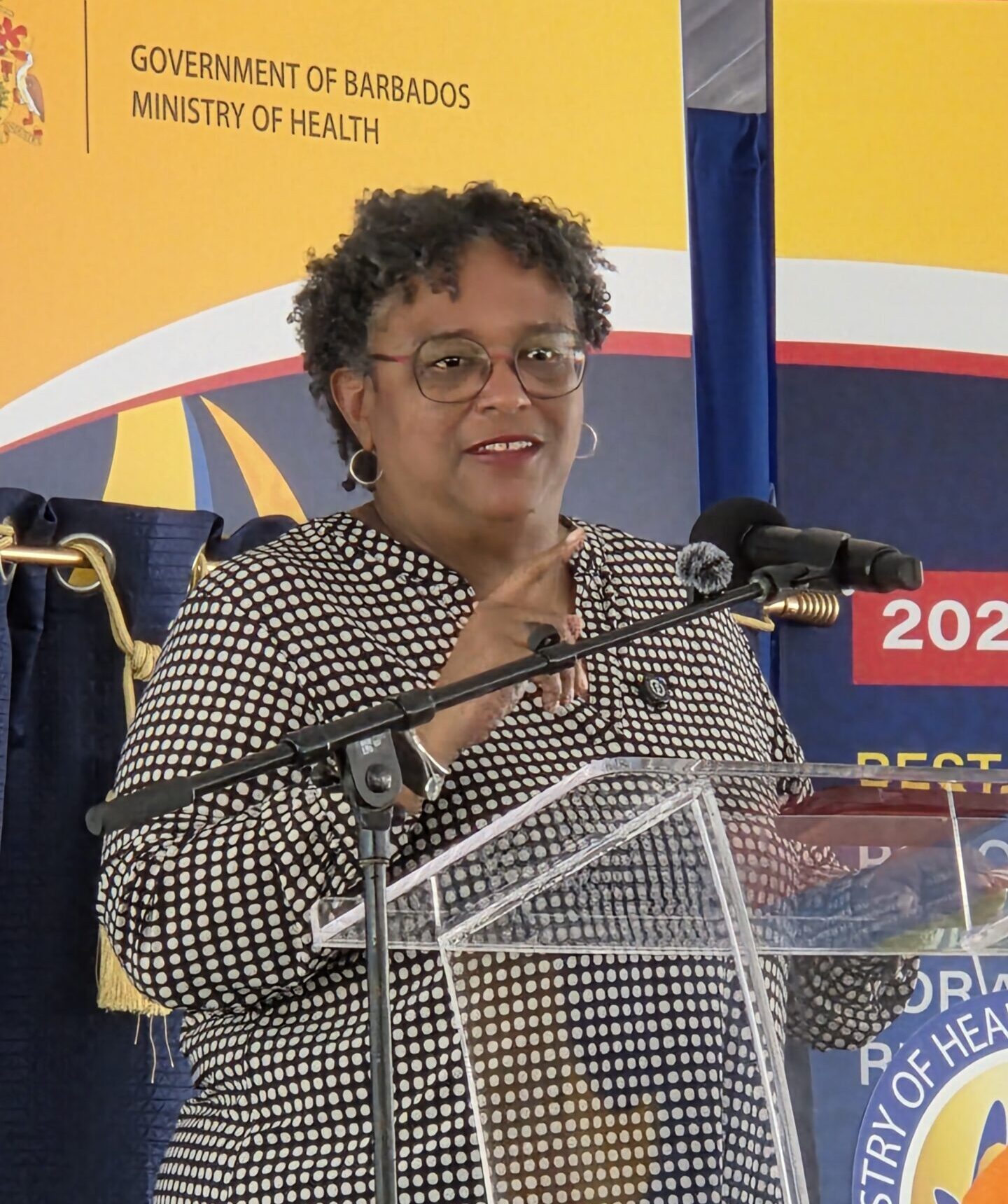
Addressing the designation ceremony, Prime Minister Mia Mottley — who also chairs the Global Leaders Group on Antimicrobial Resistance — emphasized that the new status will drastically strengthen Barbados’ capacity to identify drug-resistant infection threats early, before they can spread across communities. This enhanced early warning capability comes at a critical time for the island, where an aging, shrinking population already faces high rates of non-communicable diseases, making residents particularly vulnerable to the risks of drug-resistant superbugs.
Mottley centered her remarks on the non-negotiable role of cross-sector and international collaboration in advancing public health outcomes. “Collaboration is the sine qua non for progress in public health,” she said. “Without collaboration and without partnership, we are not able to contain the spread of diseases. Without collaboration and without partnership, we are not able to expand the body of science and knowledge that we have. Without collaboration and without partnership, we are literally in a position of being a victim of circumstances.” Beyond laboratory diagnostics, Mottley noted that sustained progress requires targeted workforce training, investment in cutting-edge equipment, and coordinated action that integrates on-the-ground contact tracing and detection into a cohesive regional and global response.
As a designated collaborating centre, BDSPHL will not only lead regional surveillance efforts but also advance critical research into AMR, a public health crisis already ranked as the third leading cause of death globally. Mottley warned that AMR, often described as a “silent slow-motion pandemic,” is on track to become the world’s top cause of human mortality by 2050 if current trends go unaddressed. For decades, she explained, societies have taken the life-saving power of antibiotics for granted, even as overuse and misuse have eroded their effectiveness. Even with the development of new antimicrobial medications, the window of effectiveness these drugs offer is far shorter than that of earlier generations of antibiotics, creating an urgent need for proactive action.
Last year, world leaders gathered at the United Nations General Assembly adopted a landmark commitment to cut deaths from drug-resistant bacterial infections by 10% — a step Mottley called a meaningful turning point in reversing the AMR trend. Echoing a traditional Barbadian proverb, “one blow does not kill an old cow,” Mottley framed the lab’s new designation as part of incremental, sustained action that will deliver global progress over time. She added that Barbados will continue expanding its scientific public health capacity through initiatives including the Barbados Living Lab, noting that investments in diagnostic infrastructure are ultimately investments in protecting lives. The core mission of the new collaborating centre, she explained, is to deliver fast, accurate diagnostic data to clinicians, enabling them to prescribe targeted, effective treatments when every moment counts in fighting resistant infections.
BDSPHL director Songee Beckles called the PAHO/WHO designation a formal recognition of the facility’s years of hard work and growing impact, opening doors for the lab to contribute meaningfully to global AMR action. Since 2016, Beckles explained, the facility has evolved dramatically from a basic national diagnostic lab to a respected regional hub for AMR surveillance. Through intentional investment in strategic partnerships, workforce upskilling, technological upgrades, molecular diagnostics, and genomic sequencing, the lab has become a foundational pillar of AMR detection and response for both Barbados and the broader Caribbean region.
The 2026 designation as a PAHO/WHO Collaborating Centre for Antimicrobial Resistance Surveillance represents the culmination of years of consistent investment and incremental progress. As AMR continues to grow into one of the most pressing global health threats of the 21st century, BDSPHL is now fully positioned to support national, regional, and international efforts to preserve the effectiveness of antimicrobial medications and safeguard public health for generations to come.