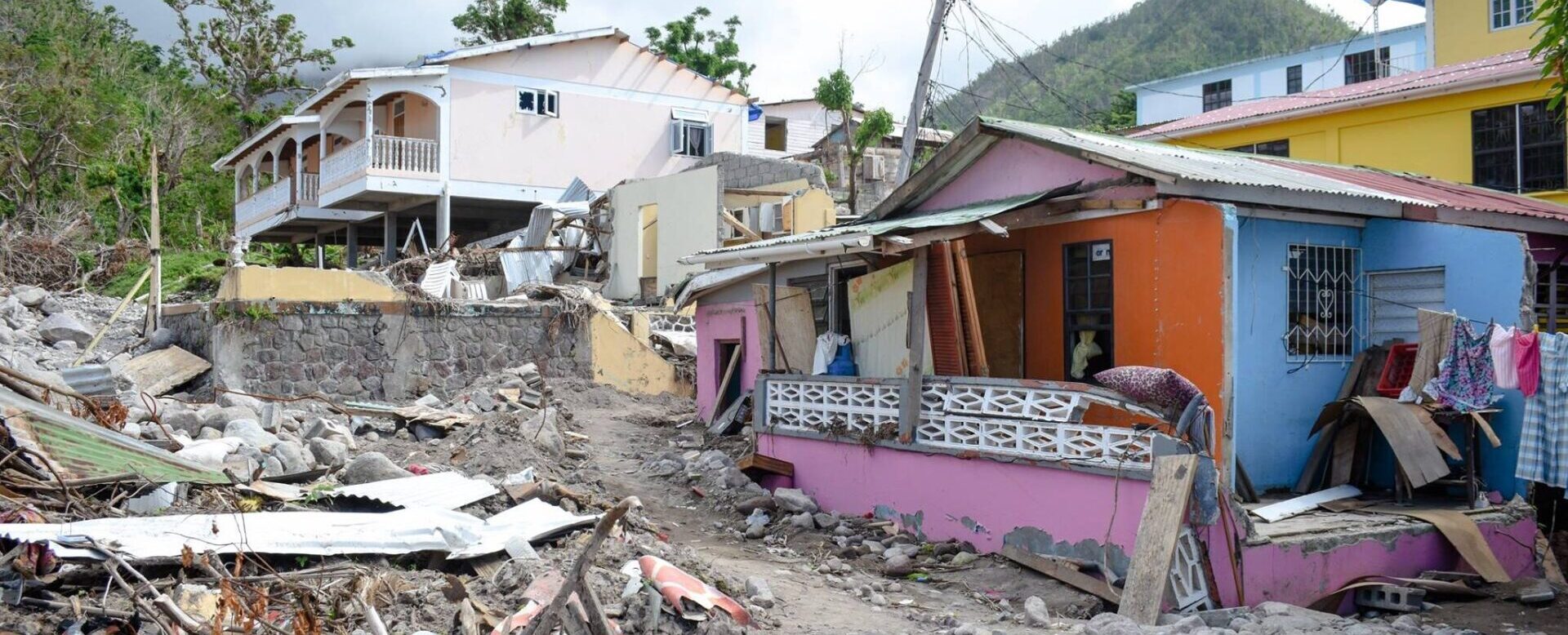
Nearly a decade after Hurricane Maria devastated the Caribbean island of Dominica in 2017, leaving widespread destruction in its wake, government leaders are renewing calls for collective readiness as the 2026 Atlantic Hurricane Season officially gets underway. The six-month storm period, which runs from June 1 through November 30, has Prime Minister Roosevelt Skerrit emphasizing that proactive preparation remains the most critical defense against potential weather threats, even with a favorable official forecast.
In a recent press briefing addressing the nation, Skerrit called on every resident of Dominica to take immediate, practical steps to secure themselves, their loved ones, their properties, and their commercial operations ahead of any possible storm activity. “I want to remind you of the importance of preparation as the 2026 Atlantic hurricane season gets underway,” Skerrit said. “I encourage every Dominican to take the necessary steps to prepare themselves, their families, homes, and businesses for potential weather events.”
Skerrit confirmed that the Dominican government has already completed a series of coordinated readiness measures to respond to potential emergencies. The country’s National Emergency Planning Organization (NEPO) recently held a full convening to walk through national preparedness frameworks, evaluate the operational readiness of core response agencies, and align inter-agency response plans for different storm scenarios. As part of these pre-season checks, all public emergency shelters have undergone inspection to confirm they meet safety and operational standards, stockpiles of emergency supplies have been audited and restocked as needed, and relevant government departments remain in active preparedness mode ahead of any developing systems.
Over the past nine years following Hurricane Maria, the Dominican government has directed substantial investment into upgrading the island’s disaster resilience, from reinforcing critical infrastructure to building more storm-resistant housing, expanding and upgrading emergency shelter networks, and overhauling national disaster preparedness coordination systems. Even with these structural improvements in place, Skerrit stressed that collective safety depends on shared responsibility between the government and individual residents. “Every household and every business should have an emergency plan, secure important documents, review emergency supplies, and stay informed through official channels,” he asserted.
Skerrit reminded the public that a single severe storm can cause irreversible damage and upend countless lives, regardless of overall seasonal predictions. “It takes just one storm to have a significant impact. Let us approach this season with vigilance, responsibility, and a commitment to looking out for each other,” he said.
In a conflicting note for residents, the U.S. National Oceanic and Atmospheric Administration (NOAA) is forecasting a high probability of a below-normal 2026 Atlantic Hurricane Season. The agency’s current projections estimate that between 8 and 14 named storms – weather systems defined by sustained wind speeds of at least 39 miles per hour – will develop across the Atlantic basin this season. Of these named systems, NOAA expects 3 to 6 will strengthen into hurricanes, which carry sustained wind speeds of 74 miles per hour or higher. Additionally, forecasters project 1 to 3 of these hurricanes will intensify into major hurricanes, ranked as Category 3, 4, or 5 storms with sustained wind speeds exceeding 111 miles per hour.