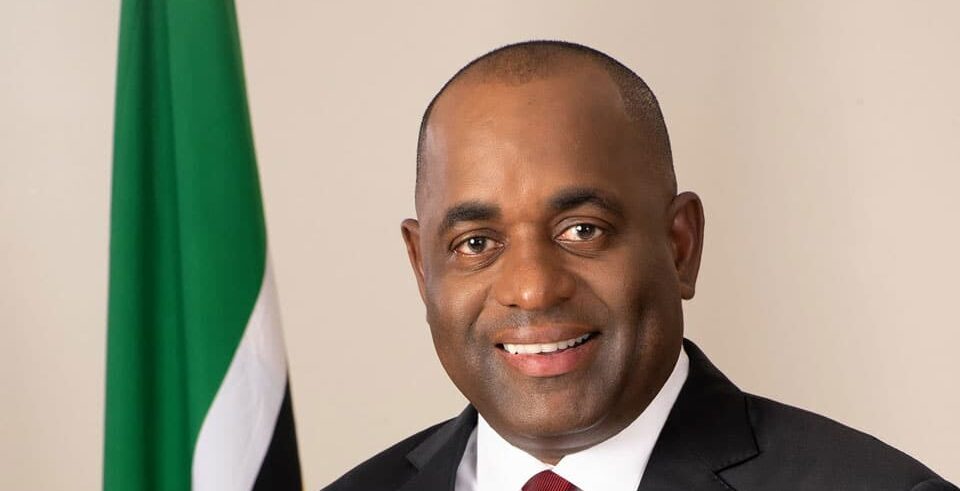
As Dominica enters the final stages of preparing its 2026-2027 national budget, Prime Minister Roosevelt Skerrit has outlined the administration’s core policy framework, which centers on balancing targeted support for vulnerable communities, inclusive economic growth, and long-term fiscal sustainability amid ongoing global economic headwinds. Skerrit made the announcement during a recent press briefing, following a week of national public consultations that brought together everyday citizens, local business owners, community groups, and other key stakeholders to gather input ahead of the budget’s finalization.
Skerrit emphasized that these public consultations are a cornerstone of the government’s commitment to building a budget that aligns with the lived realities, long-term ambitions, and pressing priorities of the Dominican people. Participants in the process were invited to share their personal perspectives, raise unaddressed concerns, and submit policy recommendations for the administration’s consideration.
Addressing the challenging global economic context shaping this year’s budget, Skerrit noted that countries across the world continue to grapple with unprecedented levels of economic uncertainty. Persistent global inflation, lingering supply chain disruptions, escalating geopolitical tensions, and growing climate-related shocks have combined to place enormous financial pressure on both working households and national governments, and Dominica is not insulated from these overlapping challenges, he said.
Against this backdrop, the administration has anchored its budget approach to four non-negotiable goals: protecting the country’s most vulnerable populations, driving broad-based economic growth, expanding accessible opportunities for all citizens, and upholding disciplined fiscal responsibility and macroeconomic stability. Skerrit confirmed that the upcoming budget will strike a deliberate balance between fiscal prudence and compassionate policy-making, with targeted investments across key priority sectors.
Key policy priorities to be advanced through the budget include measures to ease the growing cost-of-living burden on Dominican families, support sustained private sector job creation, strengthen domestic agriculture and national food security, boost public investment in healthcare and education systems, expand economic and social opportunities for young people, and continue large-scale infrastructure investments that are transforming local communities and strengthening the country’s climate resilience. The budget will also introduce reforms to streamline business processes, making it easier and more profitable to operate in Dominica, Skerrit added.
The Prime Minister also revealed that the administration will conduct a comprehensive review of all existing economic concessions and public support measures to assess their effectiveness, and will introduce any additional targeted interventions that prove both necessary and fiscally sustainable. Moving forward, the government remains focused on strengthening Dominica’s core economic foundations and securing the long-term funding required to advance its national development agenda.
A central pillar of the government’s investment strategy to date has been the country’s well-known Citizenship by Investment (CBI) Program, which has served as a critical source of financing for national development projects across sectors. Skerrit emphasized that the program has directly benefited Dominican communities through funding for affordable housing, expanded healthcare facilities, improved public education infrastructure, climate resilience projects, national transportation and public infrastructure, and social safety net programs, as well as investments that have driven private sector growth across the country.
To protect the program’s integrity, reputation, and alignment with national interests, the administration is implementing new procedural reforms. Going forward, all successful CBI applicants will be required to visit Dominica in person to receive their official passports, a change designed to give new economic citizens a deeper understanding of Dominica’s people, unique culture, and national development goals. The government is also exploring additional initiatives to strengthen engagement between new economic citizens and local communities, while ensuring the program meets evolving international regulatory standards and expectations.
Skerrit stressed that reforms to CBI programs across the Caribbean are a regional collective effort, not a challenge unique to Dominica. The country is moving in lockstep with its regional neighbors to protect a program that has delivered tangible public benefits, from building new homes, hospitals and schools to funding agricultural development and supporting small and medium-sized enterprises that drive local employment, he explained.
Full details of the CBI reforms and the full 2026-2027 budget package will be officially announced when the budget is presented to the public. Skerrit concluded that the budget is framed within a broader national strategy to improve quality of life for all Dominican citizens, build a more secure and prosperous future for all segments of society, and position the country to maximize the benefits of the major public and private investments the government has already put in place across the nation.