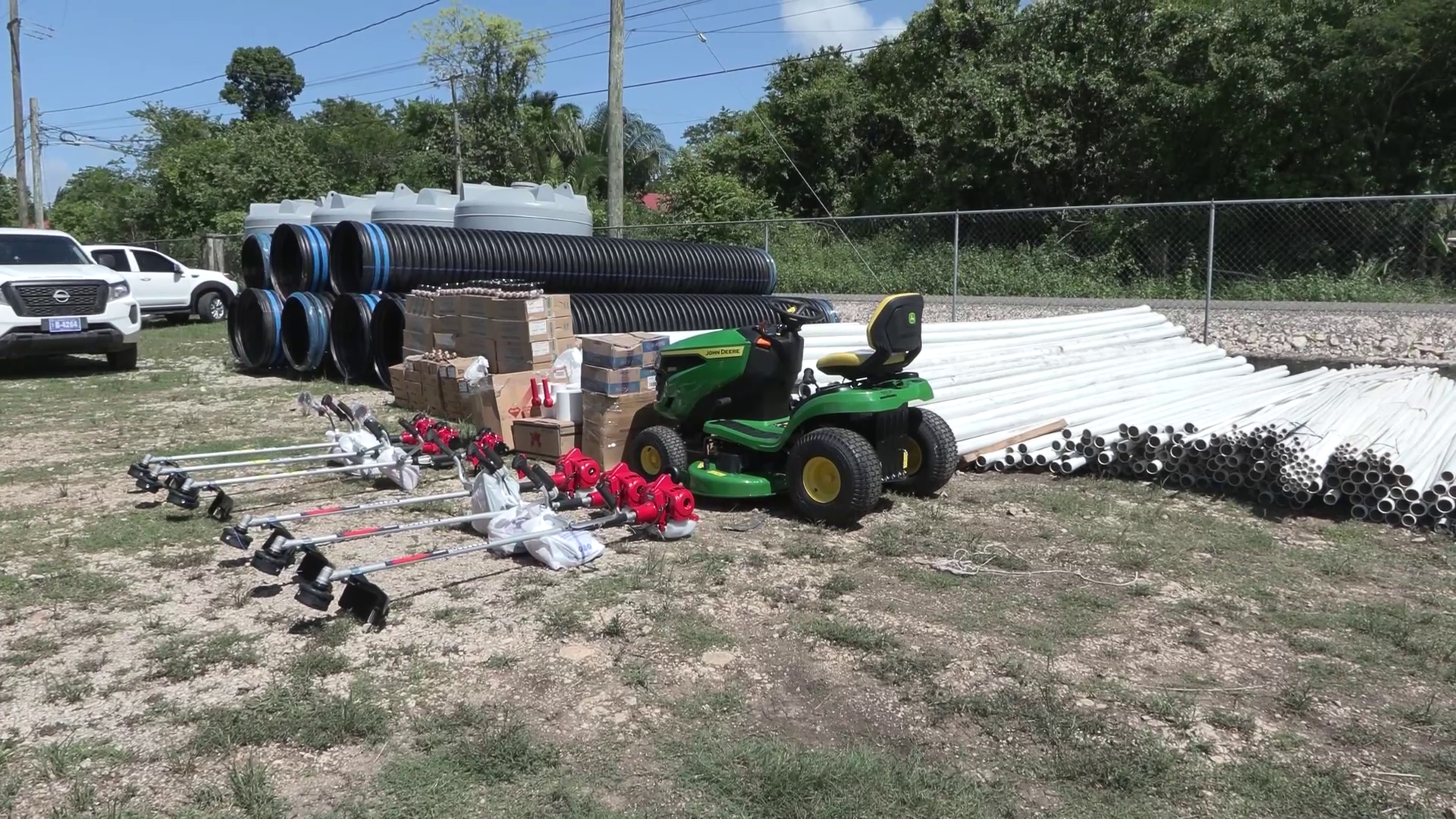
On June 16, 2026, a landmark large-scale rural development initiative brought tangible support to 15 underserved rural communities, marking a deliberate shift in how government approaches local growth: from small, scattered interventions to coordinated, inclusive action that leaves no village behind.
Organized by the country’s Ministry of Rural Transformation, the effort brought government officials directly together with local village councils and regional water boards to distribute hundreds of thousands of dollars’ worth of critical equipment and infrastructure supplies on a single afternoon. Unlike previous programs that typically supported just three to five communities per distribution event, this expanded iteration prioritized scaling up to reach a much larger group of rural areas at once.
The support package addresses three core everyday needs for rural communities: maintenance of shared public spaces, improved access for agricultural transportation, and more sustainable water system management. Village councils received landscaping and groundskeeping equipment including commercial-grade lawnmowers and weed eaters to keep community parks, sidewalks, and public gathering areas clean and accessible. For agricultural routes, pre-fabricated culverts were delivered to repair drainage gaps and improve all-season access on rural farm roads, reducing flood risk for growing operations and making it easier for farmers to transport crops to market.
For local water boards, the distribution included hundreds of new water meters to support ongoing system expansion projects. According to Charles Galvez, Director of Rural Development, the new meters do more than improve service: they enable water boards to build long-term self-sufficiency through more accurate consumption tracking. This, in turn, helps boards boost stable revenue that can be reinvested in local infrastructure upgrades, creating a closed loop of self-directed growth for communities.
Valentino Shal, CEO of the Ministry of Rural Transformation, emphasized that the expanded scale of the initiative reflects the government’s core commitment to equitable rural development. “Before 2020, we saw how many rural communities were overlooked in smaller, scattered development programs,” Shal explained. “This time, we decided to go bigger to make sure we don’t leave any village behind. Every rural community in this country matters, and this effort is proof that government can work hand-in-hand with local people to deliver real, immediate change.”
For Galvez, the ultimate goal of the program extends far beyond distributing equipment and materials. “This isn’t just about routine maintenance,” he noted. “It’s about giving communities the tools they need to take control of their own long-term growth and build lasting self-reliance.”
This report is a transcribed excerpt from an evening television newscast focused on domestic rural development.