MONTREAL, CANADA – In a high-stakes legal challenge that spotlights growing generational frustration over broken climate promises, three young Canadian women and two leading environmental organizations launched a lawsuit against the federal government Tuesday. The action demands a court order forcing Ottawa to draft a robust, updated action plan to deliver on its legally mandated national emissions reduction targets.
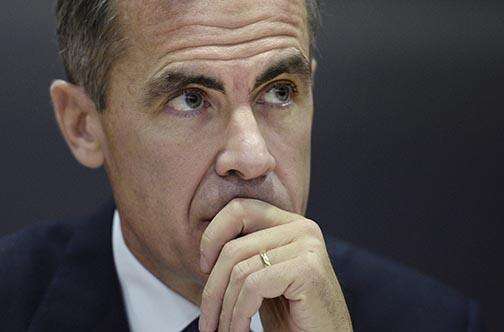
The lawsuit lands at a moment of sharp policy reversal under Prime Minister Mark Carney, who took office in March 2025. Carney’s administration has overhauled Canada’s climate and energy agenda, rolling back core environmental protections to fast-track large-scale energy and infrastructure projects. The shift is framed by the government as a necessary step to boost domestic economic autonomy amid escalating trade tensions with the United States under the second Trump administration.
Five years prior, during Justin Trudeau’s premiership, Canada’s federal government enshrined a legal commitment to cut national greenhouse gas emissions by 40 to 45 percent below 2005 levels by 2030. Carney has already publicly admitted the country is not on track to meet this target, following his administration’s rollback of key climate rules, including a national carbon price for households and a legally binding emissions cap for Canada’s large oil and gas sector.
Speaking at a press conference announcing the suit, Shirley Barnea, a Quebec-based university student and one of the lead plaintiffs, emphasized that Canadian authorities have a binding intergenerational obligation to build a livable, sustainable future for young people. “Young people deserve a sustainable economy, good green jobs and a government with a credible plan to get us there,” Barnea said.
The Canadian Association of Physicians for the Environment (CAPE), one of the organizational co-plaintiffs, said in a statement that the legal action is designed to compel the federal government to “chart a credible, up-to-date course of action” that protects all Canadians from the accelerating harms of climate change. Equal Justice, the legal organization representing the plaintiffs, confirmed it is backing the three young women in the challenge.
Charlie Hatt, Equal Justice’s climate director, argued that the Carney government has systematically eroded Canada’s core climate policy framework over the past year. “Over the last year, we have watched the Carney government weaken, delay and repeal Canada’s key climate policies,” Hatt said.
Sophia Mathur, a second plaintiff from Ontario, pointed to the growing frequency of extreme weather events that have defined her generation’s experience, including record-breaking wildfire seasons that blanketed much of North America in toxic smoke, catastrophic flooding, and deadly heat domes. “My generation’s first decade on this planet will have been marked by wildfire seasons, floods, heat waves, and constant warnings from scientists that the window for action is closing,” Mathur said. She added that the government’s failure to act on its own legal commitment breaks a core promise to young Canadians: “The federal government made a promise, a legal commitment, to meet its climate targets. Now it must keep its word.”
Court documents reviewed by Agence France-Presse frame climate change as an existential threat to Canada, noting that the country is warming at roughly twice the average global rate. Northern regions of Canada, home to large Indigenous populations and vast critical ecosystems, are warming nearly three times faster than the global average, amplifying risks of permafrost thaw, biodiversity loss, and community displacement.
This is not the only legal climate challenge facing Ottawa this year. In October, the federal government will go to trial in a separate case that accuses the previous Trudeau administration of failing to uphold young Canadians’ constitutional rights through inadequate climate action. The Canadian challenge is part of a growing global wave of climate litigation, where youth and advocacy groups are holding governments accountable for insufficient action in countries including Germany, the Netherlands, and France.