On June 16, 2026, the ninth annual Women in Fisheries Forum kicked off in Belize, shining a long-overdue spotlight on a pressing, underdiscussed challenge facing the Central American nation’s critical fishing industry: the systemic invisibility of women who power the sector across every step of the supply chain.
While Belize’s multi-million dollar fishing economy relies heavily on women’s labor—from catching and processing seafood to managing coastal households, adding product value, and running small marine-focused businesses—industry data and official records have largely erased their contributions. For decades, many women working in the sector have been undocumented, overlooked for professional opportunities, and locked out of critical benefits and resources simply because their work is not formally recognized. Most commonly, women who sell their catch to fishing cooperatives have their products registered under their spouse or husband’s name, leaving their individual labor unaccounted for entirely.
This two-day convening brings together a cross-section of stakeholders: artisanal fishers, female marine entrepreneurs, conservation leaders, and policy advocates, all united around a shared goal of breaking down the barriers that hold women back. This year’s forum centers the blue economy, with a specific focus on helping women expand beyond the traditional high-demand species of fin fish, lobster, and conch into new, sustainable fisheries segments that offer greater economic stability.
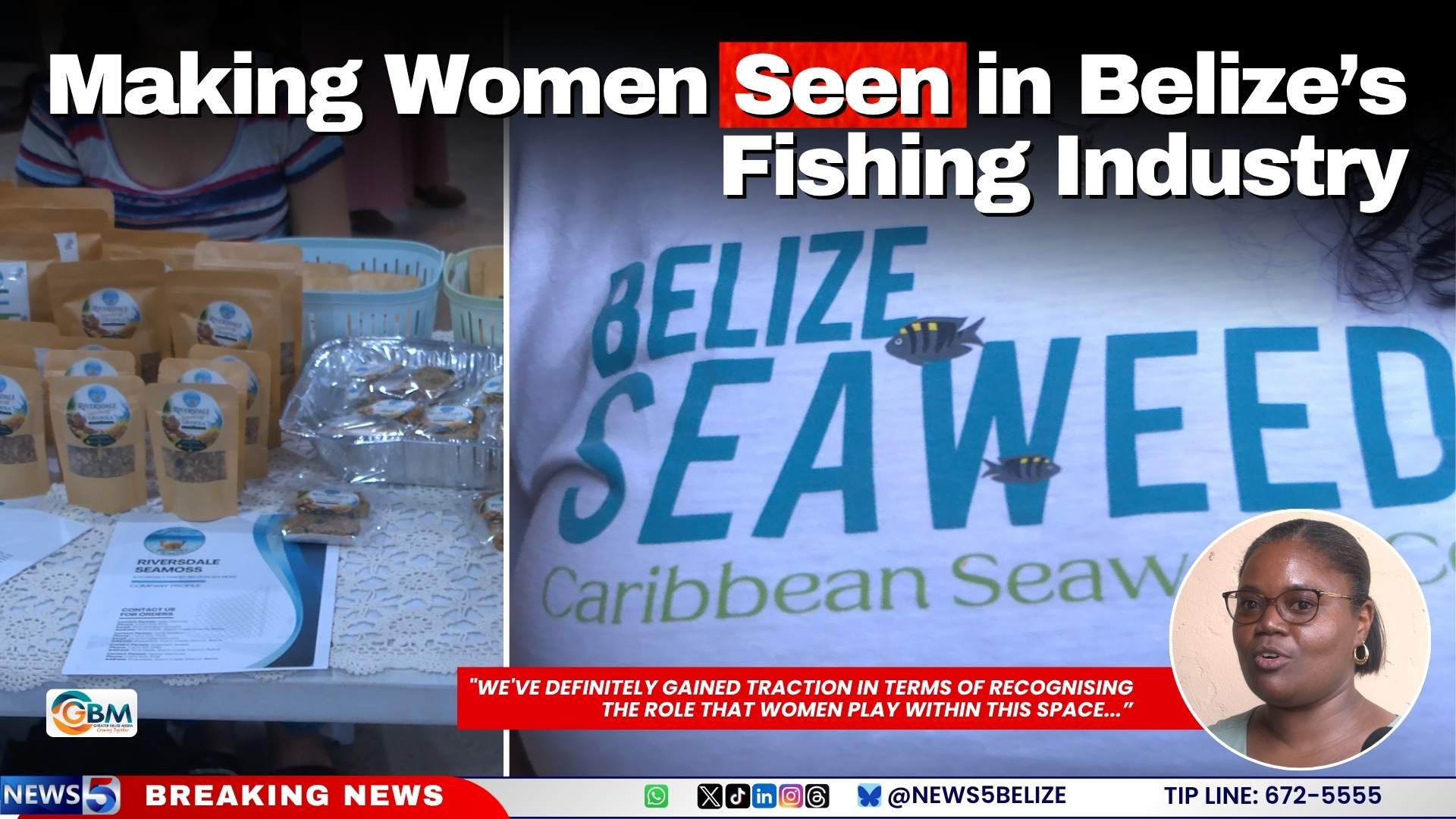
Ralma Lamb-Lewis, Marine Conservation Director at the Wildlife Conservation Society, a key organizer and stakeholder in the event, emphasized that while progress has been made in recent years to acknowledge women’s fundamental role in Belize’s fishing sector, the conversation must now move from recognition to action. “We’ve definitely gained traction in terms of recognising the role that women play within this space,” Lamb-Lewis noted. “But more so what we want to transition into now is for us to be able to definitely increase their access to some of the resources available out there.”
The stakes of formal documentation are high for women across the sector. Without official recognition of their work, women cannot access basic social security benefits, workplace injury protection, or targeted funding and capacity-building opportunities offered by non-governmental organizations, government agencies, and international donor groups. “Once they’re documented, it allows you to access more opportunities,” Lamb-Lewis added. Participants at the forum are expected to draft collaborative policy recommendations and partnership frameworks to address the documentation gap and expand equitable access to leadership, financing, and resources for women working across Belize’s fishing industry.