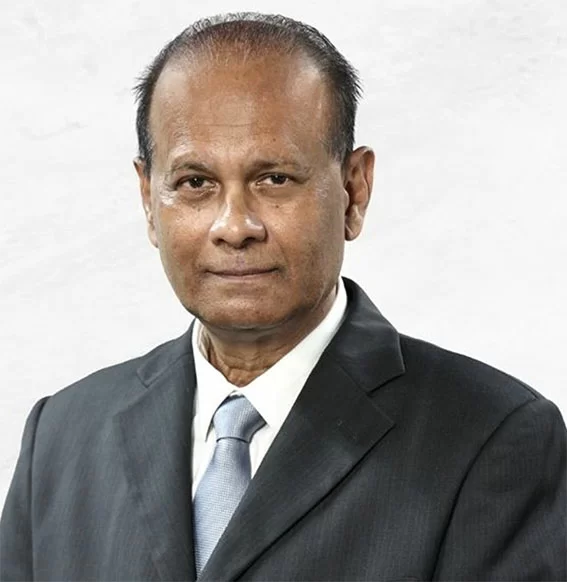
Suriname’s National Assembly is set to kick off public debate on the 2026 state budget on Monday morning, with lawmakers bracing for weeks of grueling work amid a persistent fiscal gap that forces tough trade-offs on government spending, according to the chair of the assembly’s rapporteurs committee, Rabin Parmessar.
In an interview with local outlet Starnieuws, Parmessar outlined the rigorous schedule that will guide the budget process: public deliberations will open at 10 a.m. on Monday, with plenary sessions scheduled to run from 10 a.m. to 8 p.m. on nearly every workday for the coming weeks. The only exception is Wednesdays, when meetings are canceled to accommodate the weekly cabinet gathering. Any lost session time due to delayed starts will be made up with extended evening hours, Parmessar emphasized, noting the tight timeline to wrap up deliberations before the mid-July approval target. “If we start half an hour late, we will end half an hour late. The goal is to stick to the schedule and finish this process efficiently,” he said. Before public deliberations begin, the assembly will hold a closed procedural meeting to present the committee’s final pre-debate report on the budget proposal.
A core challenge shaping the entire process is the projected budget deficit equal to 5.1% of Suriname’s gross domestic product, which has left the government with extremely limited fiscal space to fulfill all planned policy initiatives. Nearly every government ministry has submitted requests for increased funding that outpace the total resources available in the draft budget, so lawmakers will be forced to rank spending priorities to align with available funds, Parmessar explained.
The committee has already identified four non-negotiable priority sectors that cannot afford further delays to critical investment: education, healthcare, social welfare, and domestic production. “We have a dual responsibility: we must protect vulnerable populations, while also investing in productive capacity to generate more long-term revenue for the country,” Parmessar said. “Many backlogs in critical services can no longer be put off.” These unresolved gaps include longstanding bottlenecks in healthcare access and medication supply, crumbling education infrastructure, and delayed public works projects across the country.
The 5.1% deficit figure is expected to be one of the most contentious topics of debate, Parmessar predicted, noting that disagreements over how government loans are accounted for in budget calculations have persisted for years. He added that many discussions overlook the fact that a large share of new borrowed funds is allocated to paying down and restructuring existing sovereign debt, rather than funding new programs. Crucially, Parmessar pointed out that the current administration’s recent debt restructuring and refinancing efforts have already saved hundreds of millions of U.S. dollars in future payment obligations, easing long-term fiscal pressure.
Beyond limited fiscal resources, the committee has flagged government implementation capacity as a top ongoing concern. Parmessar said multiple reviews during pre-debate preparation highlighted persistent shortages of specialized skilled staff, particularly for projects funded by international loans and multilateral financing. International financiers typically impose strict requirements for project preparation, implementation progress tracking, and public reporting, and a lack of trained personnel often leads to costly project delays that derail planned spending, he explained.
Parmessar expressed satisfaction with the level of cooperation from ministries during the pre-debate preparation phase, noting that all requested additional data, budget breakdowns, and supporting documentation were submitted in recent days, allowing the committee to complete its work and enter public deliberations fully prepared.
With only around six months remaining in the 2026 fiscal year once the budget is expected to be approved around July 13, Parmessar stressed that a fast, efficient debate process is critical to ensure approved funding can actually be disbursed and deployed for planned projects before the end of the year. “That’s why it’s so important that we move forward aggressively, so that the resources that get approved can actually be put to work for the Surinamese people,” he said. He also thanked the standing committees, legislative legal advisors, and all National Assembly staff for their work to prepare for the budget debate.