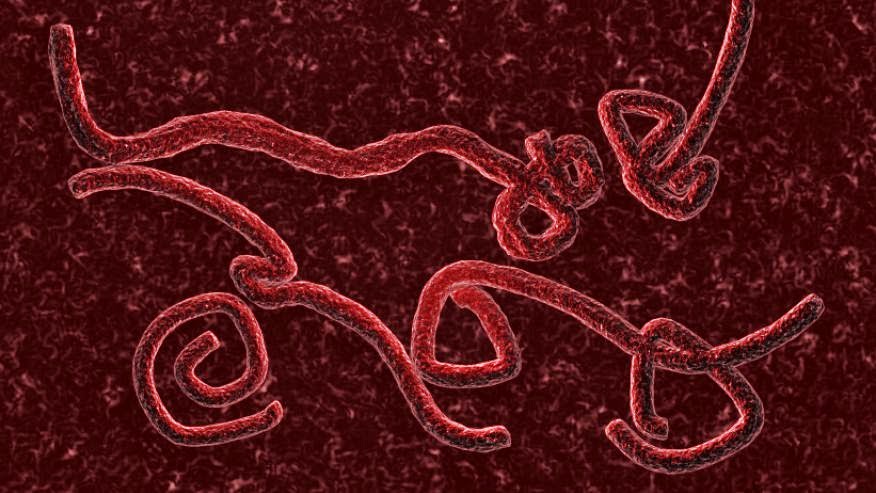
Following the World Health Organization’s official classification of the ongoing Ebola Bundibugyo Virus Disease outbreak as a Public Health Emergency of International Concern, the Government of Grenada has rolled out a series of immediate precautionary public health measures to protect its population and secure national borders.
In a public advisory released by the Ministry of Health, Grenadian residents and citizens are strongly urged to cancel all non-essential trips to two countries where confirmed cases of the virus have been recorded: the Democratic Republic of the Congo and Uganda. The advisory also warns of heightened risk for travelers heading to an additional 10 African nations flagged as high-risk zones by the Africa Centres for Disease Control and Prevention, including Angola, Burundi, the Central African Republic, the Republic of Congo, Kenya, Rwanda, Tanzania, Zambia, Ethiopia, and South Sudan. For all travel to these regions, the ministry advises the public to exercise extreme caution and re-evaluate the necessity of upcoming trips.
To prevent community transmission of the virus, Grenada has significantly upgraded health surveillance and entry screening protocols at every port of entry across the country, from international airports to seaports. Any person arriving in Grenada, whether a citizen, resident, or visitor, who has traveled through or transited from any of the affected areas will be required to complete enhanced health screening immediately upon arrival. Depending on the outcome of that screening, port health officials have the authority to order immediate isolation or quarantine for at-risk travelers. All individuals entering from affected regions will also be placed under a mandatory 21-day active monitoring program, a measure aligned with global best practices for containing Ebola spread.
Beyond border controls, the Ministry of Health has outlined key guidance for the public to protect individual and community health. It reiterates its recommendation to cancel or postpone all unnecessary travel to affected regions, and urges residents to stay up to date on developments through official updates from the ministry and the World Health Organization. For anyone currently in an affected area or who has recently returned home and develops common Ebola symptoms — including sudden fever of 100.4°F (38°C, a correction to the original typo), severe fatigue, muscle ache, headache, or sore throat — officials advise immediate self-isolation and prompt medical attention. Individuals can reach care by contacting the Accident & Emergency Department at (473) 440-2113 or the closest local health facility.
The Ministry of Health reaffirmed its unwavering commitment to protecting the health and safety of all people living in Grenada. Officials noted that the situation remains under continuous close monitoring, and additional updates will be released promptly as new information about the outbreak becomes available.
This advisory was published by NOW Grenada, which notes it is not responsible for third-party contributor content and provides a channel for users to report abusive content.