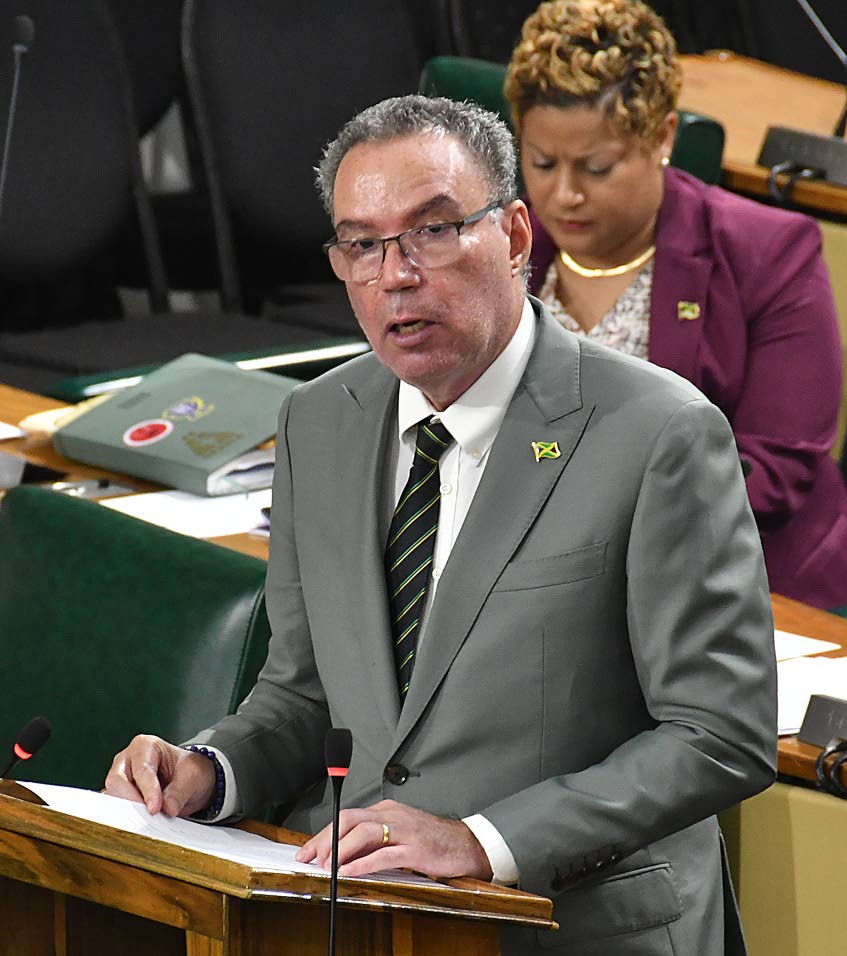
A widespread, island-wide power outage that shut down communities and economic activity across Jamaica last month has triggered urgent regulatory reform, with the country’s energy minister announcing mandatory compensation rules will be written into all future electricity operating licenses. Addressing Jamaica’s House of Representatives on Wednesday, Energy Minister Daryl Vaz framed the sweeping policy change as a direct response to critical gaps exposed by the June 5 blackout, which left no corner of the country untouched by power loss. Currently, Jamaican law includes no binding requirements for utility providers to compensate customers for financial losses stemming from large-scale outages — a flaw Vaz says has been made untenable by the scope of harm from last month’s incident. The outage disrupted daily life for households, forced business closures across all sectors, and halted operations at public institutions nationwide. Vaz emphasized that countless businesses and ordinary Jamaicans have documented tangible losses from the event, making the issue of compensation non-negotiable moving forward. “I have consistently maintained that businesses and Jamaicans have suffered demonstrable losses because of an outage of this magnitude. The commitment that I’m making to you is that the new licence and the new Act that will go with the licence will have mandatory compensatory measures and sanctions,” Vaz told parliamentary members. The minister specifically highlighted the disproportionate harm faced by small, informal and micro-businesses, including street vendors and independent event promoters, many of whom sank upfront investments into activities that were scrapped by the blackout. For these operators, he argued, a simple apology is meaningless: “What do you say? Sorry? Sorry can’t help them to send their child back to school Monday morning when they have spent the money to invest and they can’t get a return.” Beyond the lack of outage compensation rules, Vaz also renewed longstanding criticism of Jamaica’s existing power sector regulatory framework, noting that even customers who suffer damaged appliances from power surges face notoriously slow, unsuccessful claims processes that rarely result in payment for losses. The announcement of regulatory reform came as opposition lawmakers put forward additional targeted relief for those affected by the June 5 blackout. Dr. Dayton Campbell, opposition Member of Parliament for Westmoreland Eastern, called on the government to implement immediate support for event organizers and other groups that lost income when planned weekend activities were canceled. Campbell’s proposal would allow approved event permits to be transferred to new future dates, rather than forcing affected organizers to re-pay full permit fees for a rescheduled event. Vaz embraced the suggestion, describing it as a pragmatic, reasonable solution that works for both impacted residents and local municipal governments. “They can use it at another time for another event, which means that the municipal corporation doesn’t have to find the money to refund,” he explained, adding that he plans to open discussions with the Ministry of Local Government to move the proposal forward. The June 5 blackout affected every registered power customer across Jamaica. The Jamaica Public Service Company, the country’s main utility provider, has already submitted an initial incident report to the Office of Utilities Regulation, with a full final report due as investigations into the root cause of the outage continue.