Jamaica’s Opposition has laid out an ambitious plan to drag the country’s municipal government systems into the digital age, arguing that long-overdue systemic change is critical to meeting the expectations of 21st-century citizens.
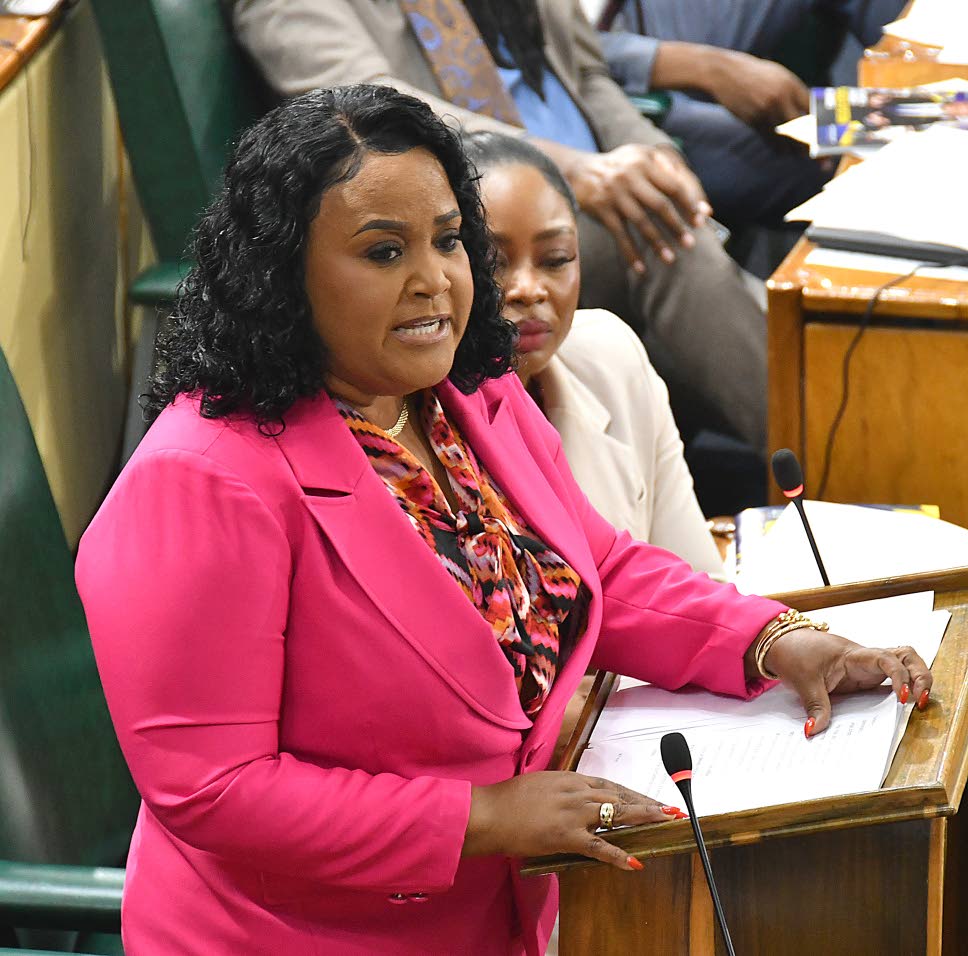
Natalie Neita Garvey, the Opposition’s spokesperson on local government and Member of Parliament for St Catherine North Central, outlined the proposal during a sectoral debate in the House of Representatives on Wednesday. Dubbed the Smart Municipal Jamaica Initiative, the plan aims to fundamentally reshape how local authorities engage with residents, process administrative requests, and deliver core public services.
Neita Garvey pointed to a stark disconnect between Jamaica’s digital integration in daily life and the outdated workings of municipal bodies. While Jamaicans now complete instant bank transfers, conduct cross-border business, and communicate with contacts across the globe entirely from mobile devices, most municipal services still rely on paper-heavy workflows and drawn-out, opaque administrative processes, she said.
In a striking rebuke of the current system, Neita Garvey told lawmakers: “Bureaucracy should not feel like archaeology. Citizens should not have to excavate information.”
Under the status quo, residents seeking permits, business licences, or municipal approvals are forced to travel from office to office just to get status updates, creating widespread frustration and costly delays for both individual applicants and local businesses, she explained.
“Modern government must become visible, trackable, transparent, and responsive. This requires nothing less than a national programme of municipal digitisation,” Neita Garvey added.
At the core of the proposal is the development of a single unified digital platform that connects all of Jamaica’s municipal corporations into one interoperable network. Through this centralized portal, residents would be able to submit applications for permits, licences, and approvals entirely online, track the progress of their requests in real time, pay required fees electronically, and receive automatic notifications about any updates to their cases.
The plan also expands beyond core administrative services: Neita Garvey proposed adding features that allow residents to monitor the progress of local infrastructure projects, submit non-emergency service requests, take part in public policy consultations, and access all public municipal records through the same single portal.
Crucially, Neita Garvey emphasized that municipal digitization cannot be implemented as a patchwork of independent, municipality-specific projects. Instead, she argued, the shift must be guided by a national framework with uniform technical standards and shared, interoperable technology to guarantee consistent service quality for all Jamaican residents, no matter which part of the country they live in.
The digital overhaul forms part of a broader push to reform Jamaica’s local governance system, which Neita Garvey said remains overly reliant on central government approval and trapped by outdated administrative norms, even after decades of incremental reform attempts. Alongside digitization, she is calling for increased financial autonomy for municipal corporations, performance-based funding models, modernized revenue collection systems, and expanded opportunities for community participation in local decision-making.
Closing her argument, Neita Garvey framed the reform as an urgent economic and governance priority, saying: “The question is not whether Jamaica can digitise local government. The question is whether Jamaica can afford not to.”