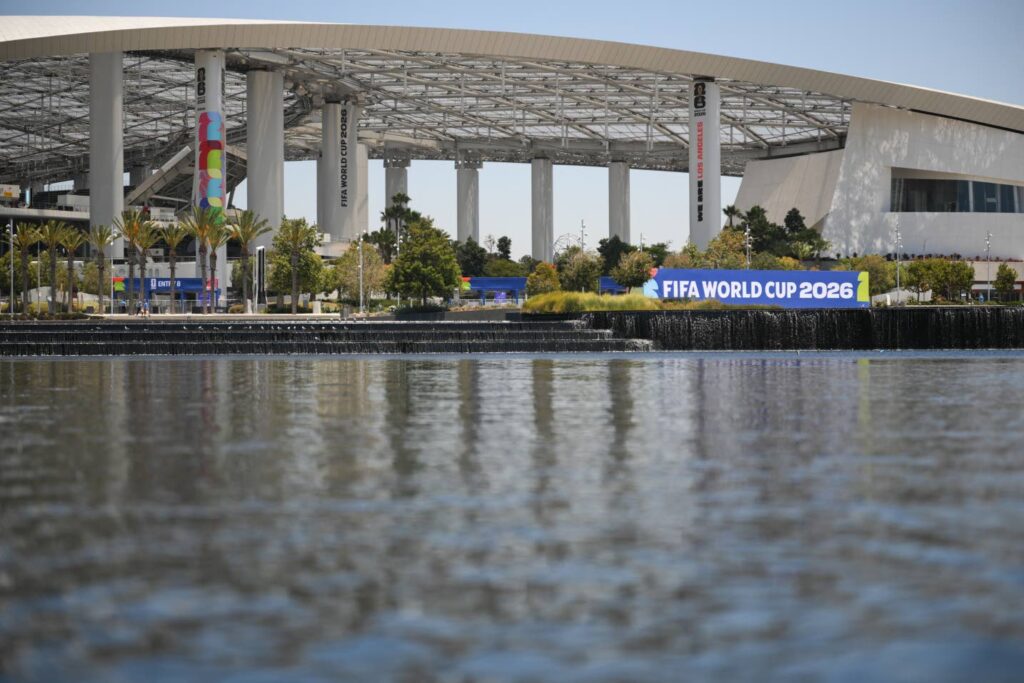
After a four-year global wait, the world’s most anticipated sporting spectacle, the 2026 FIFA World Cup co-hosted by the United States, Mexico and Canada, is finally set to kick off, bringing unrivaled football fever to fans across every continent — including passionate supporters in Jamaica, whose national team the Reggae Boyz narrowly missed out on qualification for what many saw as a once-in-a-generation spot.
This 2026 edition marks a historic turning point for the men’s World Cup, growing beyond its decades-old 32-team format to welcome a record 48 national sides to the global stage. The expansion has pushed the total number of tournament matches up to 104, and for the first time, emerging football nations including Cape Verde, Curaçao, Jordan and Uzbekistan will make their World Cup debuts, opening the door for more underrepresented regions of the world to compete at football’s highest level.
But the historic expansion has not come without controversy. On the eve of the opening match at Mexico City’s iconic Estadio Azteca, FIFA President Gianni Infantino took the stage at a Mexico City press conference to push back against mounting criticism of two major issues facing the tournament: exorbitant ticket prices and widespread visa and entry denials linked to U.S. immigration policy.
Infantino defended FIFA’s ticketing structure, which has drawn global outrage after some premium tickets were listed for more than $30,000. He pointed to the $60 base entry ticket, arguing that the price point is lower than the average entry cost for playoff matches across major U.S. professional sports, adding that the tournament’s overall average ticket price of under $500 also undercuts average prices for major U.S. sporting events.
Infantino also downplayed the high-profile controversy surrounding Somali referee Omar Artan, who was denied entry to the U.S. last Saturday after arriving in Miami due to U.S. immigration security concerns. The U.S. State Department later claimed Artan had ties to suspected terrorist organization members, and FIFA has confirmed he will not officiate any matches during the tournament. Additionally, Infantino framed Iran’s participation in the tournament amid ongoing military tensions between Iran and the U.S. as a victory for football and FIFA’s mission of uniting nations through sport. Multiple individuals connected to Iran’s national team, including senior officials and fans, have already been denied entry to the U.S. as part of the Trump administration’s strict immigration crackdown.
In a separate development Wednesday, U.S. President Donald Trump confirmed he plans to attend multiple World Cup matches during the tournament, though he declined to share specific details of his attendance.
Tensions are running high on the ground in Mexico City, where the opening match between host nation Mexico and South Africa is scheduled to kick off Thursday. Protests against the Mexican government have already disrupted preparations, with demonstrators blocking a major avenue leading to Estadio Azteca on Tuesday. Riot police formed a barricade to prevent protesters from reaching the stadium grounds. Mexican President Claudia Sheinbaum has labeled the week of ongoing demonstrations a “provocation,” and assured the public Wednesday that security for the opening match is fully under control.
Uncertainty has also come from unexpected quarters, with weather disrupting pre-tournament preparations. A severe thunderstorm carrying torrential rain and lightning hit Orlando, Florida on Wednesday, forcing a delay of England’s final warm-up friendly against Costa Rica. The weather disruption echoes similar issues that plagued the 2025 Club World Cup, where multiple matches were delayed or disrupted by extreme weather.
Even as most teams have settled into their host bases across North America, another unexpected controversy has emerged surrounding underdog side Haiti, who face Scotland in their opening match in the coming days. FIFA ordered Haiti to completely redesign and replace their official team kits after it was discovered the shirts featured an illustration of the 1803 Battle of Vertières, the conflict that secured Haiti’s independence from colonial rule — a depiction that violates FIFA’s rules prohibiting political messaging on match equipment.