As mid-2026 arrives, transparency and political accountability have emerged as the most pressing issues on Belize’s domestic political agenda, with prominent social activist Jerry Enriquez leading two high-profile challenges to government and electoral body actions.
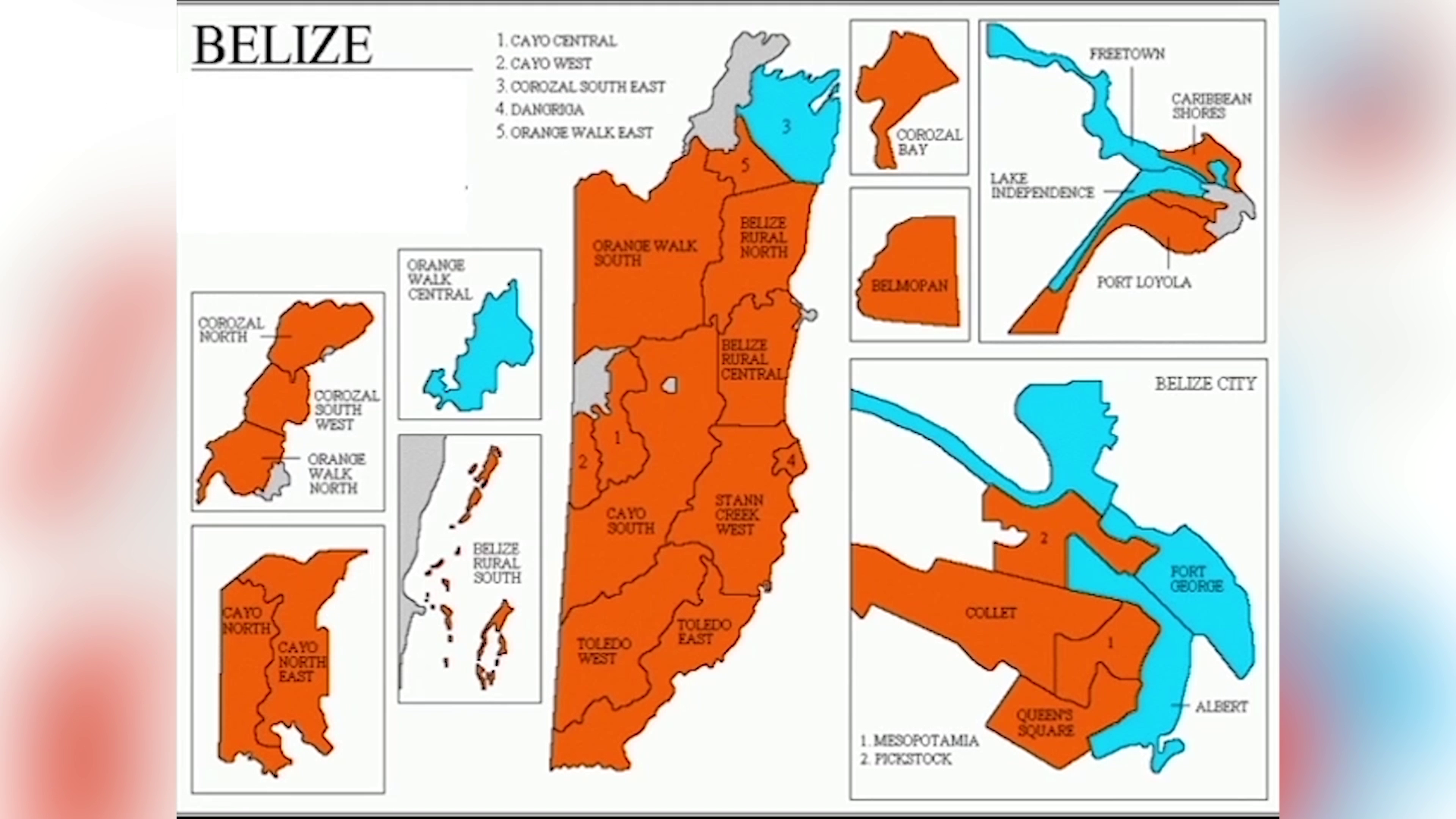
First, Enriquez has escalated pressure on Belize’s Elections and Boundaries Commission (EBC) over months of stalled progress on mandatory electoral redistricting, submitting a formal Freedom of Information (FOI) request to force public disclosure of the causes behind repeated delays. The process of redrawing constituency boundaries is designed to address a severe imbalance across Belize’s electoral map, where some districts now hold vastly larger voter populations than others — a discrepancy that undermines the core principle of equal representation at the ballot box. What was initially promised to be completed by the end of 2025 has already slipped into 2026, with no public updates on the process so far.
Speaking on the stalled initiative, Enriquez drew parallels to broken promises from the previous government term, when redistricting was pledged at the start of the 2020 legislative cycle but never delivered. “We are midpoint 2026 and we have not seen any movement with public consultation, public awareness,” Enriquez stated. “We cannot go down that road again. We are asking the Elections and Boundaries Commission to update us about the process for this redistricting, the timeline, detailed statements outlining these steps, who are the consultants being used, what professional advice are they getting, what reports and analysis are underway. We need full disclosure. The EBC needs to be transparent with the public. No more allowing this secrecy with which this government tends to operate.”
Beyond the redistricting fight, Enriquez has publicly thrown his full support behind a high-profile legal challenge against the Belizean government, brought by retired Major and former Ombudsman Gilbert Swaso. Swaso filed suit against the administration after his contract as the nation’s public watchdog was not renewed in late 2025, alleging the non-renewal was deliberate political retaliation for his intervention in a prior FOI dispute over government legal fees. The case, which is scheduled to be heard in Belize’s High Court in mid-July, has become a flashpoint for broader concerns about institutional accountability and rule of law in the country.
Enriquez argues the case extends far beyond Swaso’s personal grievance, framing it as a critical test of the government’s commitment to upholding constitutional protections for government oversight. While he stops short of attributing Swaso’s ouster entirely to his own prior FOI requests, Enriquez acknowledges he believes his activism contributed to the government’s decision to leave the ombudsman post vacant. “If he does that and is penalized for following the law and constitution then that speaks volume for the kind of leaders we are having,” Enriquez noted.
The activist also emphasized that leaving the ombudsman position unfilled to date is itself a violation of Belize’s constitution, a separate issue he and his allies intend to challenge in court. Pointing to past comments from a government minister who publicly boasted that the office had been left vacant for two years previously, Enriquez called the ongoing vacancy unacceptable. He added that he will continue to push for public access to government records through legal and institutional channels, and expects all current and future ombudsmen to uphold their constitutional mandate to support transparency — regardless of political pressure to do otherwise.
This report is adapted from a transcript of an original evening television broadcast from Belize.