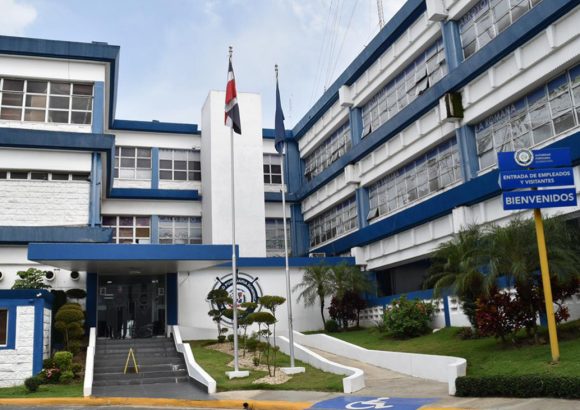
SANTO DOMINGO — In a landmark milestone for the Dominican Republic’s regional engagement, the Caribbean nation has secured its first-ever appointment to the top leadership of the Organization of American States’ Inter-American Committee on Ports (CIP), taking on the role of First Vice President. This regional body stands as the preeminent convener of port governing authorities from across North, Central, and South America and the Caribbean, uniting stakeholders to advance cross-border maritime cooperation.
Officials from the Dominican Port Authority (Apordom), the country’s national port governing body, confirmed that the new leadership position will dramatically elevate the nation’s influence in regional port policy and collaboration. The appointment opens the door for Dominican leaders to take a more hands-on role in shaping priority initiatives across a range of high-stakes areas, including sustainable port operations, cutting-edge technological innovation in maritime logistics, integrated port-urban development, climate-resilient port infrastructure, and expanded cross-border logistics networks.
Apordom Executive Director Jean Luis Rodríguez emphasized that the CIP appointment aligns perfectly with the Dominican Republic’s ongoing large-scale push to overhaul and grow its national port and logistics infrastructure. In recent years, the country has invested heavily in upgrading terminal capacity, expanding shipping routes, and streamlining customs processes, all with the goal of cementing its status as a central strategic trade and connectivity hub for the broader Americas region. Rodríguez noted that the new leadership role will reinforce this progress by giving the Dominican Republic a stronger voice in setting regional priorities and accessing global best practices for port development.
The Inter-American Committee on Ports functions as the Organization of American States’ primary official forum for coordinated port development across the Western Hemisphere. Its core mandate centers on driving safe, efficient, and environmentally sustainable growth of port systems through a mix of targeted technical assistance, professional training programs for port personnel, collaborative policy development, and cross-border sharing of successful industry practices. As First Vice President, the Dominican Republic will now take a lead coordinating role in rolling out regional projects designed to strengthen maritime trade flows, upgrade logistics networks, and improve connectivity between markets across the hemisphere, opening new economic opportunities for both the nation and its regional partners.