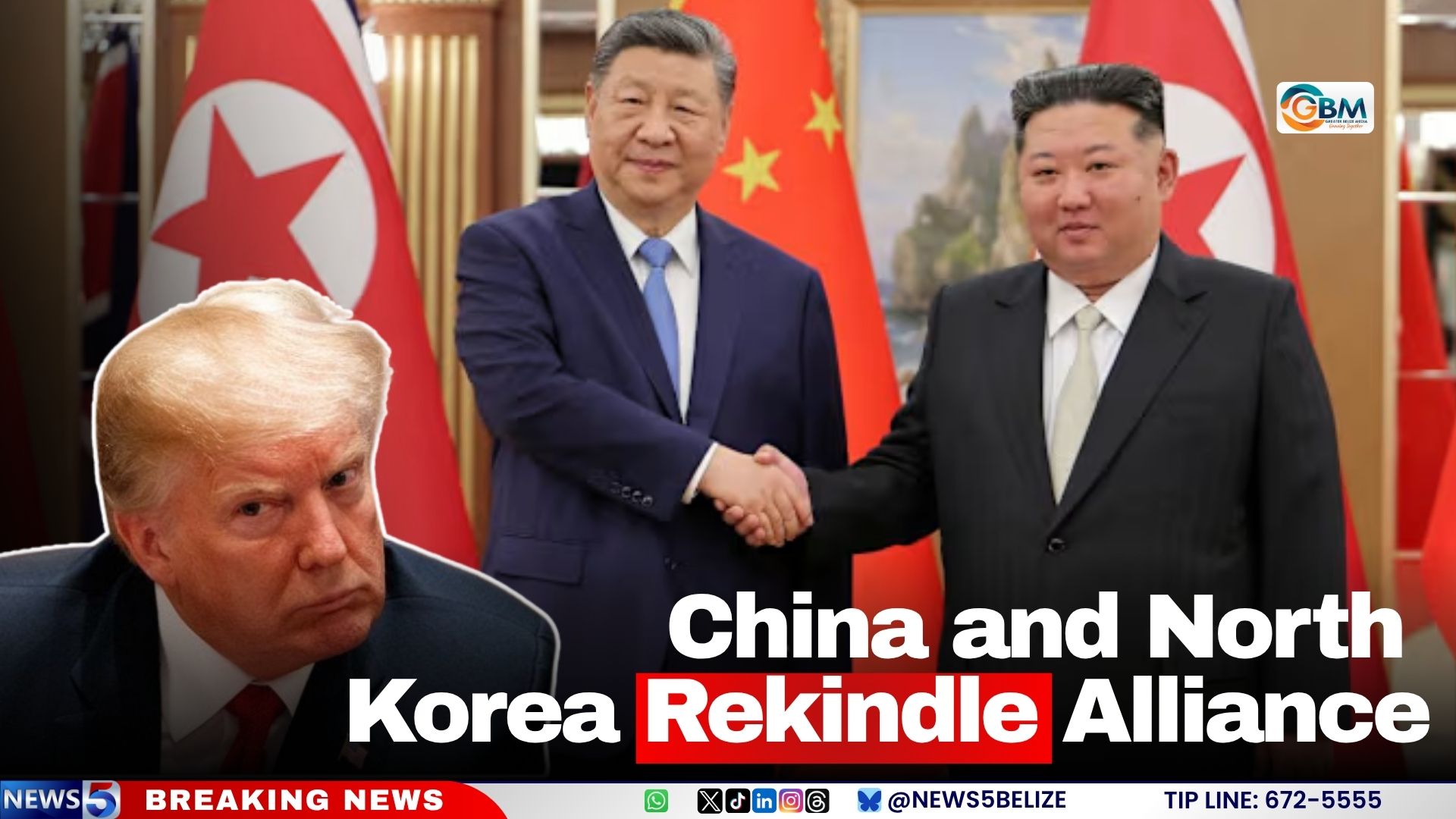
In a high-profile diplomatic development that has shifted regional security dynamics, Chinese President Xi Jinping completed a rare two-day state visit to North Korea in June 2026, returning to Beijing on Tuesday after reaffirming the longstanding alliance between the two nations and locking in commitments for expanded cooperation across key economic and social sectors. The trip marked Xi’s first visit to Pyongyang in seven years, bringing together the top leaders of the two neighboring countries for wide-ranging talks focused on deepening bilateral partnership. During their time together, the two leaders traveled to the China-North Korea Friendship Tower to honor the shared history of the two nations, and participated in a ceremonial tree planting meant to symbolize the enduring nature of their bilateral relationship. The planned areas of expanded collaboration span trade, agriculture, infrastructure construction, and technological development, laying out a clear roadmap for closer integration between the two economies. North Korean leader Kim Jong Un framed the visit as the most encouraging possible support for his country, and emphasized that China remains the top strategic priority for North Korea’s foreign policy agenda. Despite the visible celebration of friendship and cooperation, analysts have zeroed in on one striking absence from the official agenda: any public discussion of North Korea’s nuclear program and the goal of denuclearizing the Korean Peninsula. This deliberate omission marks a notable departure from Xi’s 2019 visit to Pyongyang, when China publicly backed ongoing diplomatic efforts toward full denuclearization of the region. Leif-Eric Easley, an international affairs professor at Seoul’s Ewha Womans University, told the Associated Press that Chinese authorities have shifted their public posture to avoid open discussion of denuclearization, even as they retain the goal as a long-term priority. At the same time, Easley noted that Kim Jong Un appears to be pushing for China to formally accept North Korea’s status as a nuclear-armed state. Current estimates from South Korean President Lee Jae-myung indicate that North Korea is now producing enough weapons-grade nuclear material to build up to 20 new nuclear bombs annually. Beyond the shift on denuclearization, foreign policy experts say Xi’s visit also carries clear strategic significance for China’s global diplomacy. The Associated Press reports that the trip was timed to reassert Beijing’s central influence in Korean Peninsula affairs ahead of any new diplomatic engagement between North Korea and the United States, as former President Donald Trump—who has been open to restarting direct talks with Kim Jong Un—has taken office again in 2025. For China, reaffirming its close ties with Pyongyang ensures that it retains a key voice in any future negotiations that shape the security order of Northeast Asia.