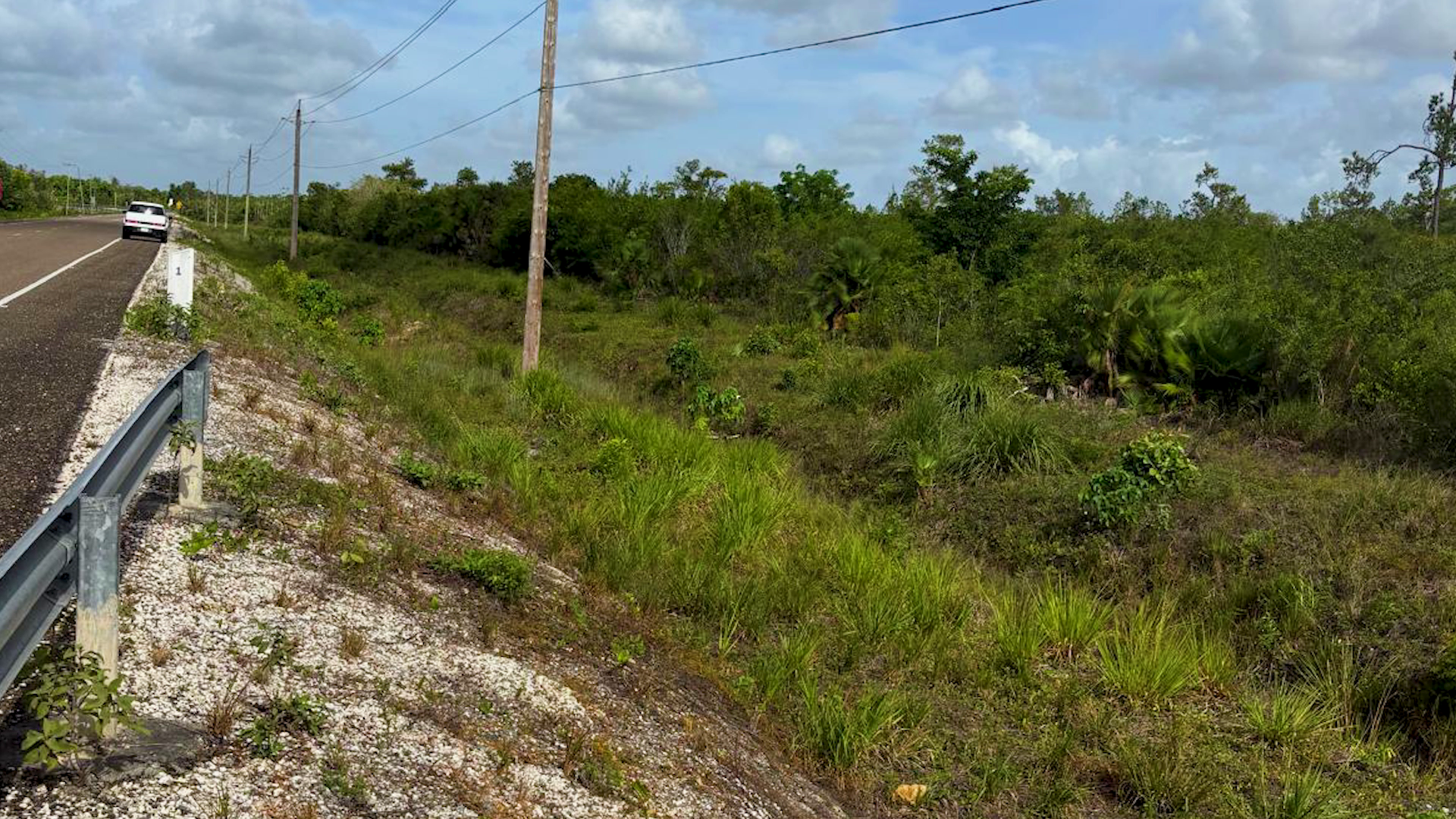
For over three decades, Geraldine Hyde, a Belize City resident who has long leased a 23.5-acre plot of land near La Democracia Village, was inches away from securing full ownership of the property she maintained and paid for consistently — until a shocking bureaucratic misstep threatened to take it all away. This case, which has now forced the Belizean Lands Commission to reverse course and return the land to Hyde, has thrown a spotlight on deep-rooted systemic gaps in the country’s land allocation and oversight processes, particularly after revealing the same individual who was at the center of a 2025 land dispute is once again linked to the controversial transfer.
Hyde first launched her application for the long-term lease of the La Democracia parcel back in 1993 alongside her husband. For 29 years, she faithfully paid all required lease fees, invested in developing the property, and patiently worked through government administrative steps, with officials repeatedly assuring her that her purchase application was moving forward, most recently telling her the final paperwork was awaiting ministerial signature. That changed in 2022, when a routine check-in revealed a bombshell: the land she had spent decades nurturing had already been allocated to a third party.
That third party is Charles Anthony Price, a name already well-known in Belizean land dispute circles. In 2025, Price made headlines when he received same-day approval for a land application that seized a plot another long-term claimant, Independence resident Sherene Garbutt, had already been pursuing. Just like in Garbutt’s case, Hyde was never notified that her application had been rejected or that the land was being reassigned, leaving her to discover the unauthorized transfer by accident.
“I followed every rule, every step, every request from the department. Every time I checked in, they said it was progressing, that it was at the minister’s desk for signature,” Hyde explained in an interview with News Five. “When an official hinted the land might already be titled, I couldn’t believe it. I’d been paying for this land for 30 years — how could it just be given away without a word to me?”
Holding a government lease traditionally grants leaseholders right of first refusal to purchase the property when the lease term ends. While this right is not legally binding, standard procedure requires officials to notify existing leaseholders before reallocating their plots, a step that was skipped entirely in Hyde’s case. After exhausting internal complaint channels with the Lands Department that brought no results, Hyde took her story to local media, which prompted a formal response from the commission.
Paul Thompson, Chief Executive Officer of the Belize Lands Commission, acknowledged the error in a statement to News Five. “When Hyde’s lease expired, the Ministry incorrectly assumed the property was undeveloped and available for reassignment,” Thompson explained. “After reviewing her complaint and verifying her decades of documentation, we have concluded the land should be returned to her. We will offer her the opportunity to purchase the two parcels as she originally requested, and we will compensate Charles Anthony Price with an alternate plot of land. We do not always get it right, but we work to correct errors when they are brought to our attention.”
This is not the first time a misallocation linked to Price has been reversed. Back in 2025, after Garbutt contested the allocation of her claimed land to Price, he returned the plot to government control to resolve the dispute. Even though Hyde has now secured a promise that her land will be returned, the repeated nature of these errors has raised serious questions about systemic failures in Belize’s land management framework.
Hyde has made clear that she remains cautiously optimistic, and has pledged to take legal action against the Government of Belize if the commitment to return her land is not fulfilled. For many Belizeans who have faced similar bureaucratic delays or wrongful land seizures, this case is just the latest example of a broken oversight system that disproportionately harms long-term small-scale land claimants. As the country works to resolve this latest dispute, advocates are calling for sweeping reforms to increase transparency in land allocation, prevent repeated wrongful transfers, and protect the rights of leaseholders who have maintained and invested in public land for decades.