After more than six decades of absence from the United States, a dangerous flesh-eating parasite, the New World screwworm, has re-emerged in southern Texas, prompting an urgent large-scale response from federal and state authorities that has put the nation’s $113 billion cattle industry on high alert.
The first confirmed detection of the parasite in U.S. territory in more than 60 years was reported last week: a three-week-old calf in La Pryor, Texas. Within days, three more confirmed cases have been documented across the state, spread across hundreds of miles in disparate locations that include a second calf and an infected domestic dog, according to reports from ABC News. Prior to this 2026 outbreak, the New World screwworm had been completely eradicated from the U.S. since the 1960s, making this reappearance an unprecedented public and agricultural animal health emergency.
Dudley Hoskins, U.S. Department of Agriculture (USDA) Undersecretary for Marketing and Regulatory Programs, confirmed that the agency is pursuing a dual-track strategy: addressing immediate active infections while launching a full-scale eradication campaign to eliminate the pest entirely before it becomes established across the country. Rear Admiral Michael Schmoyer, a senior member of the USDA’s dedicated screwworm response task force, emphasized that proactive action is critical to stopping the spread, noting that the greatest risk lies not in the parasite’s current locations, but in how far it could expand in the coming weeks without intervention.
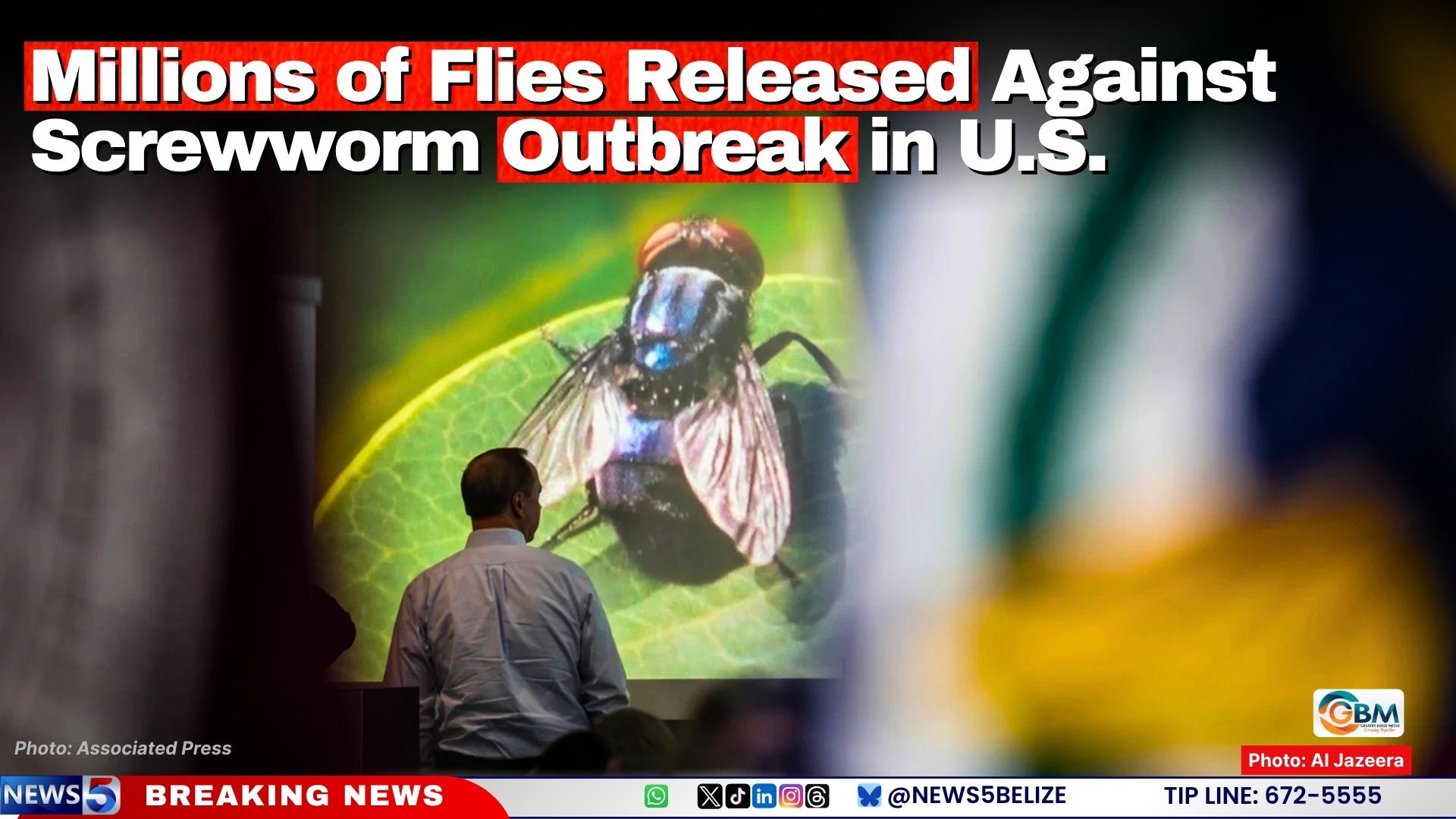
The core of the federal response leverages a decades-proven biological control method: the release of millions of sterile male screwworm flies. Because female screwworm flies only mate a single time during their lifespan, mating with a sterile male prevents any viable offspring from being produced, gradually collapsing wild populations over time. Since the start of 2026, the USDA has already released 130 million sterile flies across at-risk regions of Texas, but agency officials note that historical successful eradication efforts required the release of up to 500 million sterile flies per week to contain outbreaks.
To ramp up production of the sterile flies to meet demand, Texas Governor Greg Abbott has ordered accelerated construction of a purpose-built $750 million fly-breeding facility just outside Edinburg, Texas. Once operational, the facility is projected to produce up to 300 million sterile flies per week, supporting coordinated eradication efforts across not just the U.S., but also partner programs in Mexico and Central America, where screwworm populations have long posed a persistent threat to livestock and companion animals.