A heated debate unfolded in Jamaica’s Senate on Friday surrounding the National Housing Trust (Amendment) (Special Provisions) Act, 2026, culminating in the unamended passage of legislation that extends the government’s authority to siphon up to JMD 11.4 billion annually from the state-run National Housing Trust (NHT) into the national Consolidated Fund for another five years. The controversial extension has sparked sharp pushback from opposition lawmakers, who are calling for a significant portion of the withdrawn funds to be directed toward long-overdue housing recovery for communities devastated by Hurricane Melissa.
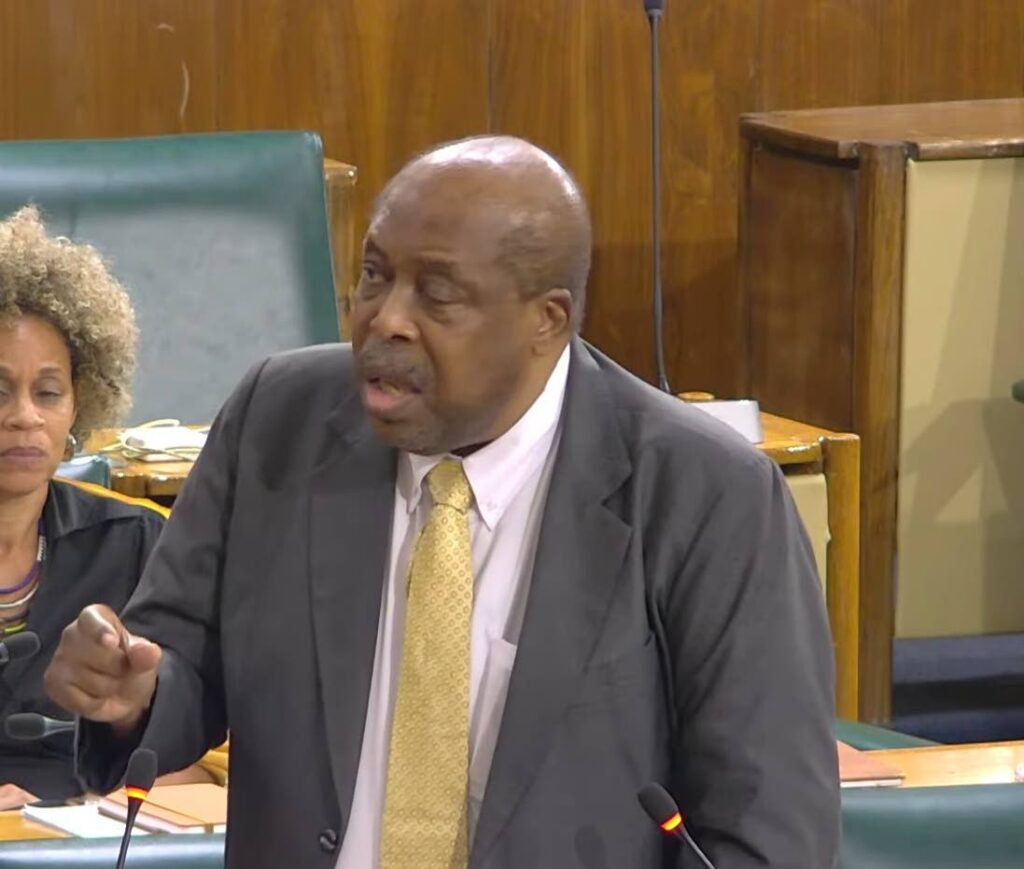
Leading the opposition’s proposal is Senator Lambert Brown, who is urging the administration to allocate a minimum of $4 billion each year from the annual drawdown to construct new permanent homes for storm victims across western Jamaica. In his address to the chamber, Brown noted that thousands of families in the parishes of St Elizabeth, Westmoreland, Hanover and St James continue to live in precarious conditions more than eight months after the Category 5 storm swept across the island in October last year, destroying or damaging thousands of residential properties.
Brown’s call for targeted housing funding was echoed by fellow opposition Senator Floyd Morris, the party’s housing spokesperson. Morris criticized the ongoing withdrawals from the NHT, a public fund established to support affordable homeownership for contributing Jamaicans, calling it a systematic plunder of public resources. He told senators that the government has already pulled a total of $114 billion from the trust since 2016, and the new five-year authorization would open the door for an additional $57 billion in total transfers. Morris proposed an amendment to the bill that would cut the extension from five years to two and require all withdrawn funds to be directed to Hurricane Melissa housing recovery, a change that was not adopted before the final vote.
The opposition’s proposals were firmly rejected by Kamina Johnson Smith, Leader of Government Business in the Senate, who pushed back on the claim that a lack of funding is the core barrier to solving Jamaica’s ongoing housing crisis, including post-hurricane recovery. Johnson Smith argued that the country’s housing challenges stem not from insufficient capital, but deep-rooted structural bottlenecks, including limited local construction capacity, widespread shortages of licensed contractors, unresolved land titling disputes, and bureaucratic delays in development planning. She emphasized that redirecting a portion of NHT withdrawals would do nothing to break these logjams or speed up the delivery of affordable homes to affected families.
Defending the five-year extension, Johnson Smith rejected claims that the annual transfers would undermine the NHT’s ability to fulfill its core mandate of delivering housing solutions to Jamaican contributors. She added that the government is committed to a strategic, long-term “build back better” approach to post-hurricane recovery, rather than a scattered, short-term fix that fails to address the root causes of slow progress. Temporary measures like tarpaulins, she noted, are an immediate stopgap rather than a permanent solution to the housing crisis, aligning with the government’s focus on addressing underlying structural barriers instead of just injecting new funding.