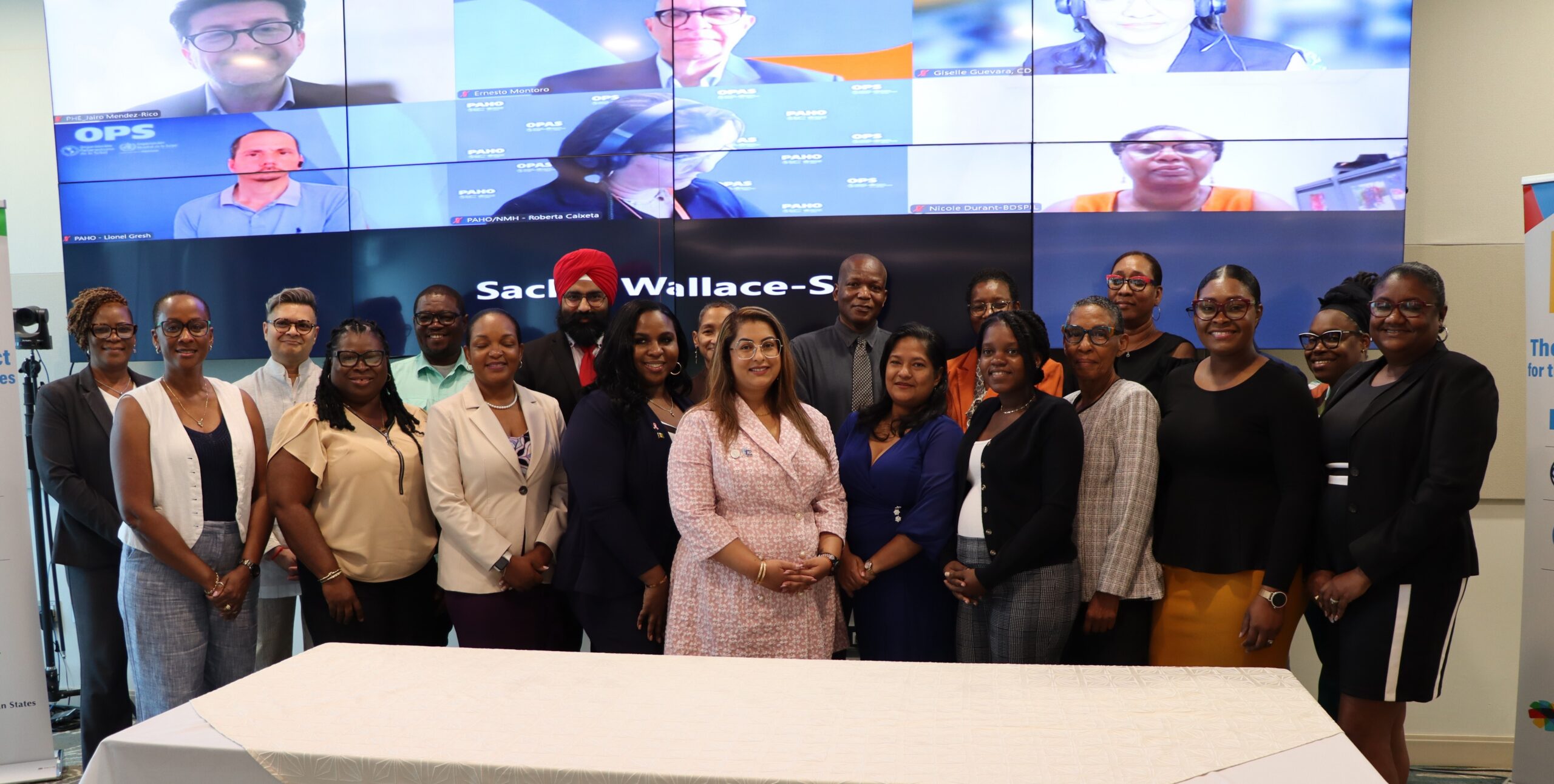
A regional initiative to boost infectious disease monitoring, early outbreak detection and rapid public health response across the Eastern Caribbean is now underway, after the Pan American Health Organization (PAHO) concluded a targeted stakeholder consultation focused on building tier-based compliant laboratory networks. The multi-day gathering, hosted at Saint Lucia’s Harbour Club Hotel, brought together a diverse cohort of laboratory specialists, public health practitioners, sub-regional reference laboratory leaders and global health partner representatives from across the island bloc.
The core goal of the consultation was to align regional stakeholders on the infrastructure, policy and operational requirements for building a tier-based laboratory network that meets the binding standards of the International Health Regulations (IHR) and aligns with global universal health coverage (UHC) goals. Unlike a centralized model, a tier-based system connects diagnostic facilities across multiple levels of care: from community-based testing sites at local polyclinics, to national reference laboratories, up to specialized regional reference centers. This interconnected structure is designed to cut wait times for diagnostic results, expand equitable access to testing, and deliver more consistent, reliable data to trigger faster outbreak responses.
Vishwanath Partapsingh, PAHO’s advisor for health systems and services, outlined the dual core objectives of the regional consultation in opening remarks. “First, we wanted to open a collaborative dialogue with member states to build shared understanding of the core principles of tier-based laboratory networks, outline the tangible benefits these systems deliver, map existing national laboratory capacity across the region, and outline actionable next steps for each country to advance their own systems,” Partapsingh explained. “Second, we aimed to assess current progress countries have already made toward aligning their laboratory infrastructure with IHR requirements, and create space for cross-national experience sharing. Countries across the Eastern Caribbean are at different stages of developing these networks, so there is tremendous value in allowing nations to learn from one another’s successes and challenges.”
For host nation Saint Lucia, the timing of the consultation proved particularly opportune, according to Dr. Glensford Joseph, the country’s Medical Officer of Health. Joseph noted that the gathering created a critical space for collaboration with other member states of the Organization of Eastern Caribbean States (OECS) to strengthen regional and national laboratory services collectively.
“This consultation gives us a unique opportunity to conduct a full review of our current national laboratory framework, identify unaddressed gaps and challenges, and lay the groundwork to build a far more robust diagnostic system that serves communities across every level of care,” Joseph said. “Right now, we are preparing to expand routine laboratory services out to the community level, particularly in our island’s polyclinics, so this guidance could not have come at a better time as we shift to a tier-based approach.”
Joseph added that Saint Lucia’s Ministry of Health prioritizes this regional collaboration because it helps national policymakers refine existing frameworks and actionable roadmaps to strengthen laboratory systems, work that directly advances both UHC goals and national outbreak preparedness efforts.
“A strong, tiered laboratory network enables the decentralization of diagnostic services, meaning community members can access the testing they need close to home, which is a critical pillar of rolling out our national universal health coverage package,” Joseph emphasized. “Beyond improving access to routine care, strengthening this network is also central to boosting our national disease surveillance capacity. Laboratory diagnosis is the foundation of confirming outbreak-causing pathogens, enabling faster clinical management for patients and allowing public health teams to bring outbreaks under control far more quickly.”
Looking ahead, PAHO expects that the outcomes of this consultation will drive measurable progress in rolling out tier-based laboratory systems across multiple Eastern Caribbean nations, including Saint Lucia, Grenada, and St. Vincent and the Grenadines, ultimately improving health outcomes and security for communities across the sub-region.