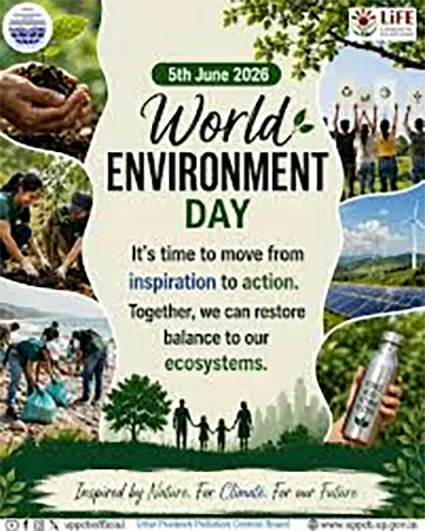
On June 5, 2026, World Environment Day, global conversations around climate action center on the 2026 theme “Now For Climate – Accelerating the Transition to a Sustainable Future”, with a sharp focus on the disproportionate climate vulnerability facing small island nations, particularly the Caribbean region. In a compelling official statement marking the annual global observance, Carla Barnett, Secretary-General of the Caribbean Community (CARICOM), emphasized that the region’s climate transition must be rooted in principles of justice, inclusivity, and long-term resilience.
Barnett outlined a clear vision for the region’s future: “The future we envision is not just greener, but also more just and more resilient. It is a future where economic development does not come at the expense of our ecosystems, where our communities are protected, and where future generations inherit a vibrant and safe region.”
Unlike major global carbon emitters, the Caribbean, along with other small island developing states and low-lying coastal nations, contributes a negligible share of total global greenhouse gas emissions. Yet the region faces some of the most severe and immediate climate impacts, including increasingly powerful hurricanes, extended drought cycles, accelerating coastal erosion, widespread coral bleaching, frequent coastal flooding, and growing food insecurity. These cascading threats undermine critical local infrastructure, cripple core economic sectors such as tourism and agriculture, erode unique regional biodiversity, and put the well-being and physical safety of local populations at constant risk.
To address these systemic challenges, Barnett stressed that resilience-building and innovative local solutions must lead regional climate strategy. Investments in renewable energy sources including wind, solar, hydropower, and geothermal energy do not only strengthen the Caribbean’s energy security, she noted, they also open new, inclusive economic pathways for regional communities. Additional priority actions include scaling climate-adaptive agricultural practices, advancing sustainable fishing frameworks, expanding water conservation initiatives, and deepening regional collaboration on food production systems – all core measures to cut the region’s overall climate vulnerability.
Barnett also called for broad multi-stakeholder collaboration that goes beyond national government action. She argued that meaningful progress requires active engagement from the private sector, global financial institutions, civil society organizations, and academic research communities. These cross-sector partnerships are critical to unlocking green investment, accelerating climate innovation, and advancing locally tailored solutions that address the specific climate challenges the Caribbean faces.
Regional integration remains an indispensable foundation for advancing collective climate progress, from scaling renewable energy access and improving disaster risk management to developing sustainable transportation systems, growing the blue economy, and expanding regional climate data and early warning systems. Barnett also highlighted that young people are the core driving force behind climate action and will be the key builders of the region’s sustainable future.
Globally, CARICOM has been a leading advocate for upholding the Paris Agreement target of limiting global warming to 1.5 degrees Celsius above pre-industrial levels. For the Caribbean, this is not merely an international policy target – it is a matter of collective survival.
Barnett’s call for action comes as the global climate crisis grows more urgent by the year, making the need for coordinated international cooperation and local action clearer than ever. She closed her statement by urging all stakeholders to join in a collective, urgent, and targeted push to accelerate the transition to a sustainable future that leaves the Caribbean just, resilient, and secure for generations to come.