On June 5, 2026, as nations and advocacy groups across the globe mark World Environment Day, senior United Nations officials are amplifying urgent calls for collective climate action, while drawing a sharp focus on the unequal burdens of environmental breakdown that fall on the world’s most vulnerable populations – particularly women and girls.
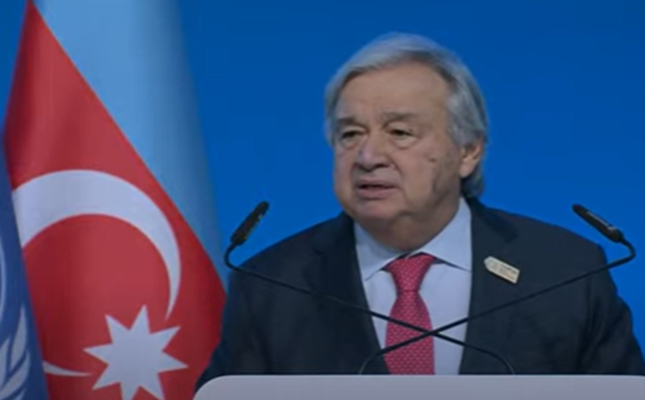
In his official address for the annual observance, UN Secretary-General António Guterres opened with a stark warning about the accelerating pace of the global climate crisis, pointing to an 11-year streak of record-breaking high temperatures that confirms the planet is warming far faster than incremental mitigation efforts have addressed. Guterres emphasized that the damage of inaction extends well beyond elevated mercury readings: widespread air pollution, widespread soil degradation, collapsing ocean and terrestrial ecosystems, and accelerating biodiversity loss are already upending daily life for communities across the globe.
“Environmental harm damages public health, destroys homes, and deepens food insecurity,” Guterres said. “Current trajectories put the world on course to temporarily exceed the 1.5 degrees Celsius warming threshold set by the Paris Agreement. Every incremental tenth of a degree of warming amplifies harm – and the worst impacts fall disproportionately on the world’s most vulnerable nations, including Small Island Developing States.”
Guterres stressed that the global community still has the power to limit how far, how long, and how damaging this temperature overshoot will be, but only through immediate, decisive systemic action. Key priorities he outlined include deep, rapid cuts to global greenhouse gas emissions, an accelerated just transition from fossil fuels to scalable renewable energy, aggressive reductions in methane pollution, and expanded protection for intact forests, critical land habitats, and marine ecosystems. He also called for expanded investment in adaptive measures to help vulnerable communities cope with existing climate impacts, and reiterated a longstanding demand that wealthy developed nations honor their outstanding climate finance commitments to low-income and developing countries that have contributed the least to the crisis but face the worst consequences.
“This is the moment to act—for our environment and for our future,” Guterres added.
Parallel to the Secretary-General’s call, UN Women used the World Environment Day observance to center gender disparities in climate impact, outlining how ongoing environmental breakdown, biodiversity loss, and land degradation hit women and girls disproportionately hard across every region. The organization noted that for women and girls living in low-income and vulnerable communities, environmental threats compound existing risks to food security, livelihoods, physical health, and personal safety. When climate disasters such as droughts, severe floods, crop failures, and freshwater shortages strike, women and girls bear the majority of the resulting social and economic burden, UN Women reported.
The organization’s analysis links climate shocks to measurable increases in harmful gendered outcomes: rising rates of child marriage in communities facing climate-driven poverty, and higher risks of premature birth and stillbirth linked to sustained high temperatures. Indigenous women and rural women, especially those residing in Small Island Developing States and arid regions impacted by desertification, face the most acute risk – even as these same groups are at the forefront of community-led conservation, climate resilience building, and food security work around the world.
With a series of high-stakes global summits on climate change, biodiversity protection, and land restoration scheduled for 2026, UN Women is calling on national governments and all global stakeholders to ensure that international climate and environmental commitments translate to tangible, targeted benefits for women and girls. The organization stressed that meaningful climate action cannot be separated from the fight for gender equality: climate crises consistently exacerbate gender-based violence and widen pre-existing economic and social inequalities. To build effective, long-lasting solutions, women’s leadership, rights, and full participation must be centered in all environmental and climate decision-making, backed by targeted financing and transparent accountability mechanisms, UN Women concluded.