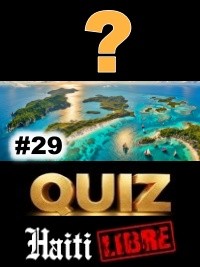
Nestled along Haiti’s 1,700-kilometer Caribbean coastline lies a little-known geographic secret that many geography and travel enthusiasts have never encountered. While most general knowledge resources only reference the country’s four or five largest islands, the nation actually boasts more than 100 small islands, islets, and cays scattered across its surrounding territorial waters, creating a diverse coastal mosaic that adds unique complexity to Haiti’s national landscape.
This sprawling archipelago includes a number of notable landmasses, from the twin Cayemite Islands (Grande Cayemite and Petite Cayemite) to Île à Cabrit, which sits in the sheltered bay of Port-au-Prince, the Sept Frères island chain off Haiti’s northern coast, and the remote Ilet-à-Brouée. The vast majority of these small landforms remain uninhabited by permanent human settlements, and most only see occasional use as temporary shelter for local fishermen working in nearby coastal waters.
Beyond their geographic intrigue, these scattered island territories support remarkable ecological diversity, ranging from lush, protective mangrove forests that serve as critical nurseries for marine life to bright, pristine coral sandbanks that host unique coastal ecosystems. Managing this extensive maritime domain has emerged as a key priority for Haiti, both to preserve these fragile natural environments and to unlock opportunities for the development of sustainable, low-impact coastal tourism that can benefit local communities. What makes this geographic tapestry even more distinctive is that every tiny cay carries its own traditional local name and unique ecological or geographic characteristics, weaving together a richer, more diverse portrait of Haiti’s national territory than most popular sources share.
This little-known geographic fact was shared as part of the answer key for the popular HaitiLibre Quiz platform, a free general knowledge resource that invites users to test their knowledge across a huge range of topics, from Haitian history, geography, and culture to global current events and specialized subject areas. Launched as an interactive public resource, the quiz platform does not require user registration, making it accessible to people of all age groups and backgrounds. It offers content across three distinct difficulty tiers—easy, intermediate, and hard—and all quizzes are available in both French and English to serve a broad international audience.
As of a major monthly platform update rolled out on June 1, 2026, the site added 31 brand-new quizzes, bringing the total number of interactive games available to 150, with new content added on a monthly basis to keep the resource fresh for returning users. For those seeking more challenging content, the platform’s dedicated expert menu offers a curated selection of advanced quizzes on specialized topics. Users can explore the full collection of quizzes, share the platform with friends and family, and submit feedback to the HaitiLibre team directly through the official quiz website.