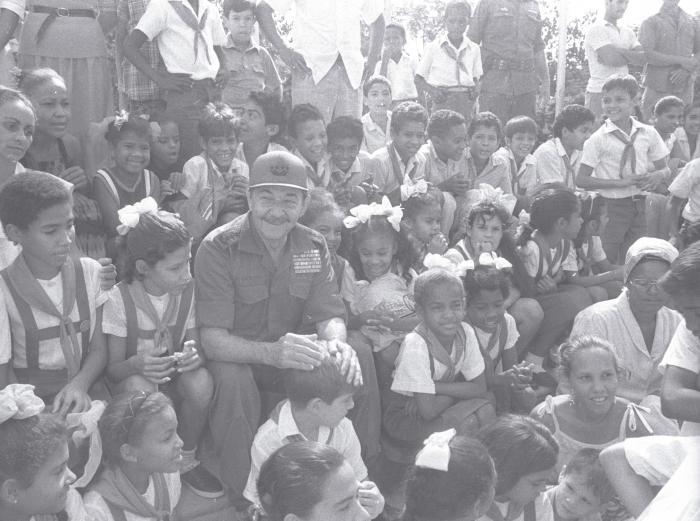
As June 3 approaches, one of Cuba’s most iconic revolutionary figures, Raúl Castro, is preparing to mark his 95th birthday. Turning 95 is a rare milestone that demands a rare combination of good health, unyielding resilience, and that signature stubborn determination deeply rooted in Cuban identity — a milestone that can only be described as a profound blessing. For Raúl, these 95 years have not been decades of quiet living: they have been 95 years of unbroken commitment to the revolutionary cause, a lifetime spent standing firm in the struggle, much like the legendary Cuban independence fighters Antonio Maceo and Máximo Gómez who came before him.
Even young Cuban schoolchildren know the deeply personal, approachable side of the man who has shaped their nation’s modern history. Journalist Pastor Batista Valdés, author of this tribute, notes that in every public appearance among working-class Cuban people, Raúl has consistently prioritized connection over ceremony. He is often seen lifting children into his arms, exchanging warm, witty banter with them — a habit he formed back during the tense, decisive days of the Sierra Maestra guerrilla campaign, where a famous photo still captures him crouching gently to speak with a young peasant girl. He also regularly gives away his own pens to young Cubans, once telling a small child named Denisbel in Guayabal, Las Tunas, that the gift was so they could write a letter to Fidel Castro once they learned to read and write.
This lifelong warmth is paired with a lifetime of unwavering loyalty. From the earliest days of the revolutionary movement, Raúl stood as Fidel’s closest and most reliable companion. While still a young man, he bore the full weight of the guerrilla struggle’s harshest hardships with a steady wisdom beyond his years. It is no exaggeration to say that no leader has ever held more firmly to a vow: Raúl vowed he would never fail the Commander-in-Chief, because failing Fidel would have meant failing all of Cuba, failing his own parents Lina and Ángel, and failing himself — a vow he has kept for decades.
That vow carried him through every turning point of the revolution: he stood on the front lines of the 1953 Moncada Barracks attack, gave everything he had to the cause through the subsequent imprisonment, the exile in Mexico, the cramped, dangerous voyage of the Granma yacht alongside 81 other rebel fighters, the brutal early guerrilla engagements in the mangroves of Las Coloradas, Alegría de Pío, and Cinco Palmas. When Fidel entrusted him with command of the Segundo Frente (Second Front) in eastern Cuba, Raúl turned the territory into a model of revolutionary governance, a blueprint for the island’s future after victory.
Few heads of state or military leaders around the world can claim the same depth of grassroots admiration, respect, and affection that Raúl holds among the Cuban people. For Cubans across past, present, and future generations, he will forever be remembered as the people’s Minister of the Revolutionary Armed Forces — a leader with an innate martial spirit and strategic skill, profound human empathy, sharp distinctly Cuban humor, and a charisma that cannot be weakened by hostile foreign pressure. Even as a hostile foreign empire continues its unrelenting, increasingly unsteady attacks on Cuba and its leaders, Raúl’s example remains unshaken: a reminder that true courage and unwavering commitment will never be defeated.