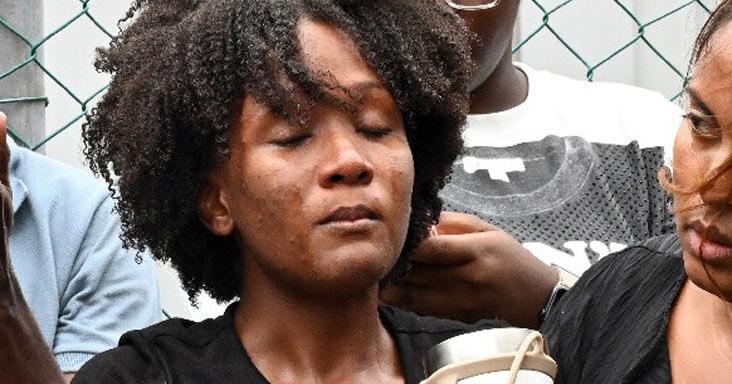
A grassroots movement demanding accountability for the deaths of Kaia Sealy and Joshua Samaroo is moving forward with plans for a nationwide civil society shutdown on June 5, organizers confirm, despite increased government restrictions and official pushback under a national state of emergency. Leading demonstration organizer Alyssa Phillip has remained unbowed by authorities’ recent efforts to curb public action, including the creation of official no-protest zones by police and her own recent arrest while protesting.
Phillip was taken into custody last Wednesday during a demonstration held outside the Director of Public Prosecutions’ office in Port of Spain, and she is set to appear before a local magistrate to face her charges on the same day she spoke to reporters for this update. In a telephone interview, Phillip made clear that the push for justice has not been silenced by law enforcement action, noting that the movement has adapted its tactics to meet growing restrictions. A silent gathering held in St. James this past Friday, for example, was intentionally structured to symbolize the widespread silence of community members who have not yet spoken out against the injustices at the heart of the campaign.
The core demand of the movement stretches far beyond the individual cases of Sealy and Samaroo, Phillip explained. At its root, the campaign is a fight for fundamental fairness and public trust in Trinidad and Tobago’s national institutions, most notably the country’s justice system. To that end, the June 5 shutdown calls on all members of the national community to opt out of work, school and all routine public activities, and to share their participation on social media to build momentum. This peaceful, low-risk approach was specifically designed to accommodate those who fear repercussions from joining in-person public demonstrations, Phillip added, opening participation to a far broader cross-section of the public.
Phillip also addressed recent public comments from Prime Minister Kamla Persad-Bissessar, noting that while she holds deep personal respect for the Prime Minister, the movement has been disappointed by what she describes as a lack of meaningful empathy and action on the Sealy case. Most critically, the organization has pushed back hard against the Prime Minister’s recent allegations that the movement has ties to violent criminal activity. Persad-Bissessar recently claimed that opposition lawmakers, union leaders, entertainers and movement supporters were actually backing a plot to unite violent criminal gangs against law enforcement and law-abiding citizens. Those claims grew out of a circulating video that called on rival gangs to end their internal conflicts to push back against a systemic policy of political divide and rule, not to target civilian or state institutions.
In her response, Phillip flatly rejected all claims of gang affiliation for the movement’s leading activists, emphasizing that all residents hold a fundamental democratic right to speak out on public injustice and organize peaceful protest. She also closed the interview by offering public thanks to the high-profile artists who have already added their voices to the movement, including popular soca performer Nailah Blackman, whose public support has helped bring national attention to the campaign’s demands.