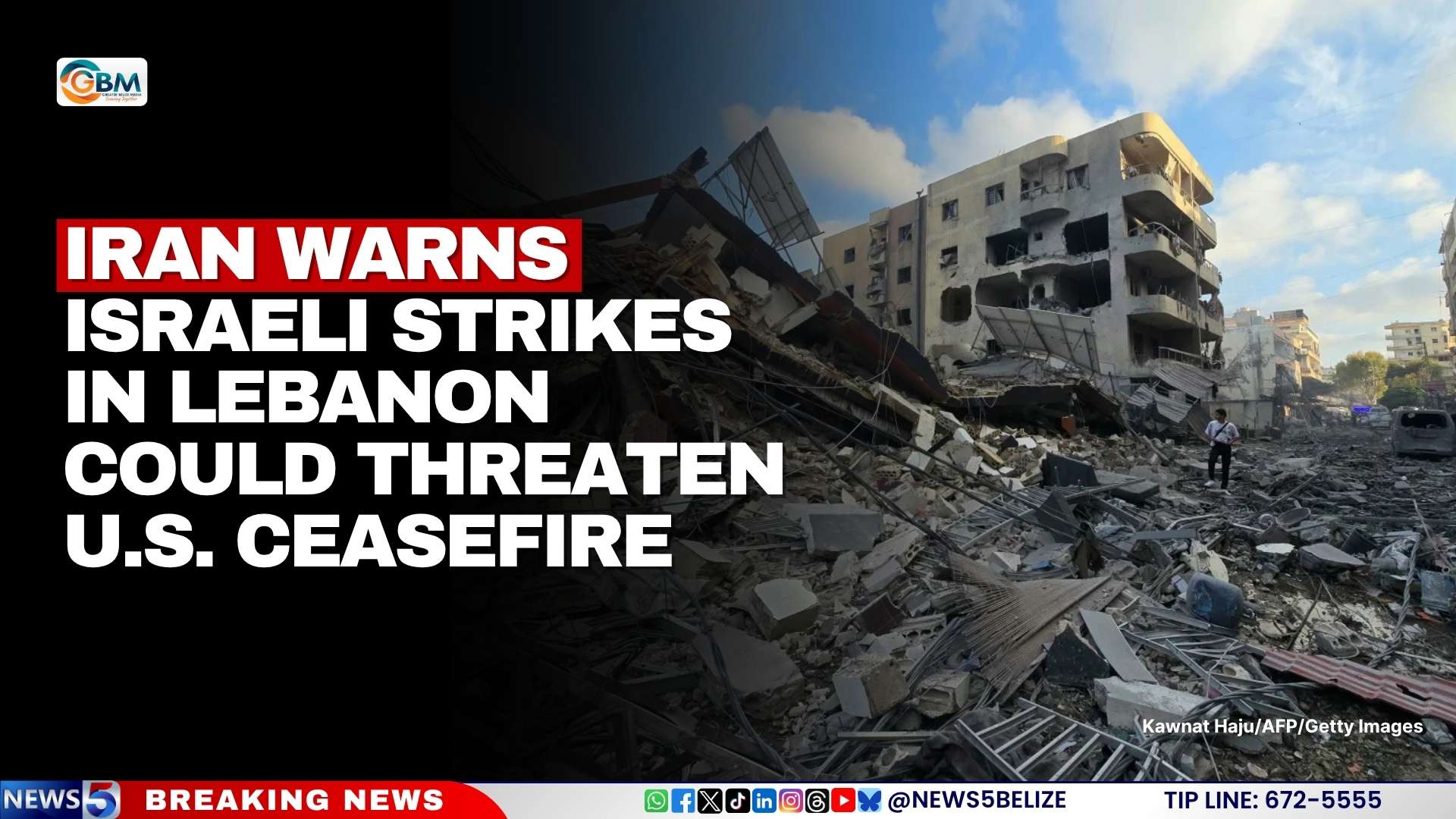
On June 1, 2026, a sharp escalation of cross-border tensions in the Middle East has put a fragile indirect ceasefire between Iran and the United States at severe risk, after Israeli military forces launched targeted strikes on alleged Hezbollah positions in southern Beirut.
Israeli Prime Minister Benjamin Netanyahu authorized the attacks on sites in Beirut’s densely populated Dahieh district, framing the operation as a defensive response to a wave of rocket and drone assaults that Israeli officials have pinned on the Iran-aligned militant group Hezbollah. In the immediate aftermath of the strikes, Iranian Foreign Minister Abbas Araghchi issued a stark public warning to all parties, emphasizing that the existing ceasefire between Tehran and Washington remains binding across every regional theater – including Lebanese territory. Araghchi clarified that any breach of the truce in Lebanon would be treated as a total collapse of the entire agreement between Iran and the U.S.
Following the flare-up, U.S. President Donald Trump announced that he had held separate discussions with both Netanyahu and representatives of Hezbollah, claiming the two opposing sides had committed to a full halt to hostilities. As of the latest update, however, neither the Israeli government nor Hezbollah’s leadership has issued an official confirmation of Trump’s announcement, leaving the status of any de-escalation uncertain.
Iran’s state-owned Tasnim News Agency further underscored Tehran’s position, noting that the country could move to suspend all indirect diplomatic negotiations with Washington if Israeli military operations in Lebanon continue. Additional commentary from Iranian state media echoed this threat, warning that the months-old ceasefire could disintegrate entirely if Israeli strikes persist across Lebanese territory.
The Iran-U.S. ceasefire, which first entered into force on April 8 of this year, was hailed as a small but critical step toward reducing regional tensions, but friction between competing factions across the Middle East has remained elevated throughout the intervening months. The latest volatile developments have already sent ripple effects through global energy markets, as traders braced for potential disruptions to shipping through the Strait of Hormuz – the world’s most critical chokepoint for global oil and natural gas supplies. In response to the rising geopolitical risk, crude oil prices have climbed in early trading.
Despite Trump’s repeated public assertions that ongoing diplomatic talks with Tehran are making steady progress toward a sweeping, long-term agreement, no formal binding deal has been finalized between the two governments to date, leaving the broader trajectory of regional diplomacy hanging in the balance.