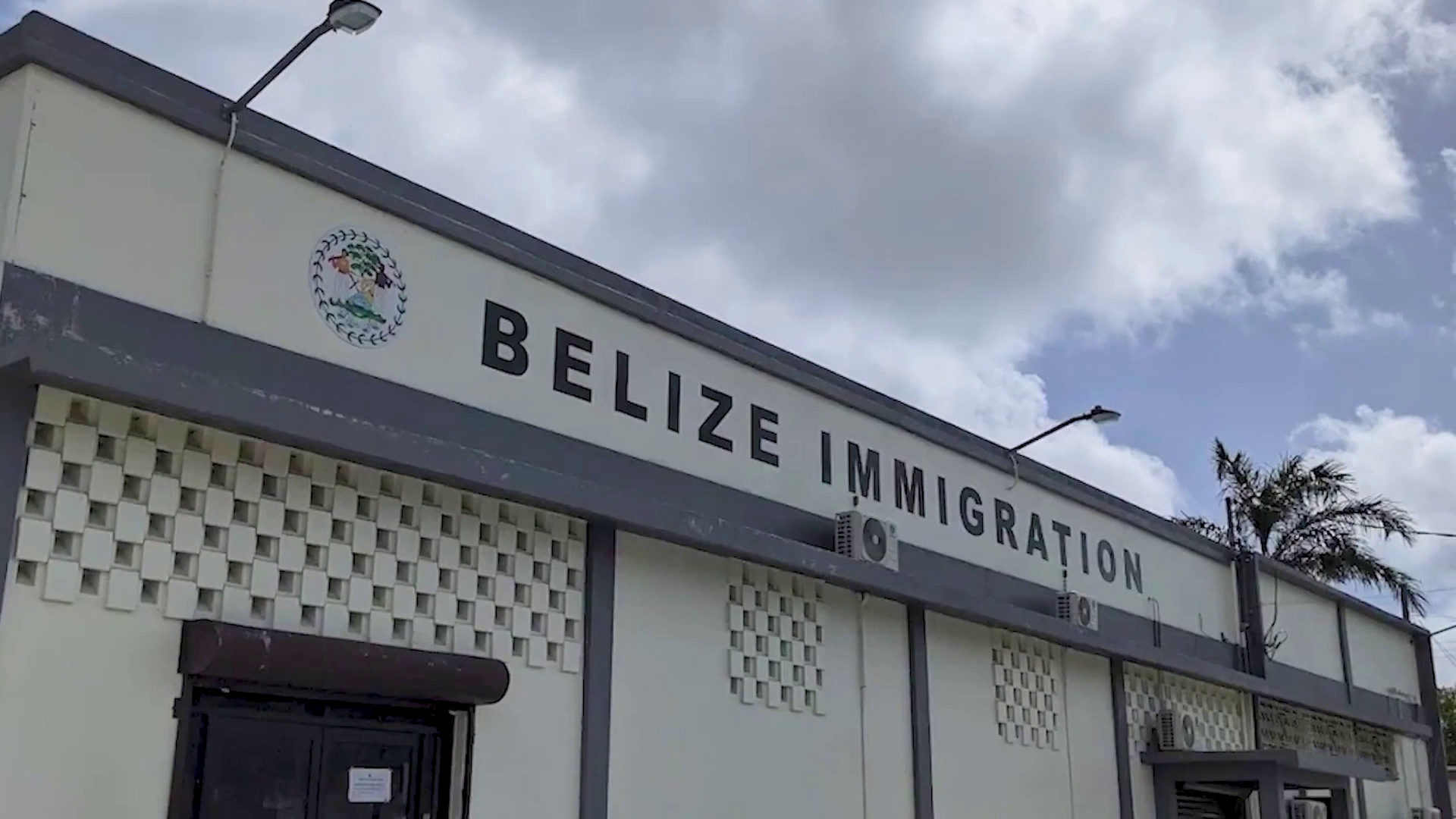
A developing public integrity scandal in Belize took a notable turn this week, as Prime Minister John Briceño publicly stepped forward to accept institutional responsibility for the disappearance of public funds from the Belize City Immigration Department. The case, which has been the subject of an ongoing law enforcement investigation, has drawn heightened public scrutiny over systemic gaps in government financial oversight.
In comments during a recent on-air interview with local outlet News Five, Briceño emphasized that as the nation’s head of government, ultimate accountability for all government operations rests with his office. “At the end of the day as the prime minister I have to take responsibility for everything that takes place in government. So yes… it is my responsibility as prime minister,” he stated.
The scandal centers on a currently unnamed employee implicated in the missing funds, who Briceño says used a scheme of falsified and cancelled receipts to conceal irregularities. The prime minister declined to share additional details about the ongoing investigation, noting that law enforcement is still building a solid prosecutorial case to avoid procedural missteps that could lead to the case being thrown out, given the strength of defense representation in the country’s judicial system. “It takes a long time to investigate and make sure you have a good case, because if you don’t you know they have these good defense lawyers and they find one misstep and then you have to throw out the case. So, we need to be careful,” Briceño explained.
When pressed by reporters about his own prior connection to the portfolio — Briceño previously served as the minister overseeing the immigration department — the prime minister acknowledged that regardless of when the irregularities began (he noted the discrepancies likely emerged in early 2025, ahead of the March 2025 general election), institutional accountability falls to the sitting prime minister.
Beyond accepting responsibility, Briceño sharpened criticism of departmental supervisors who failed to detect the financial irregularities earlier. The prime minister pointed out that existing checks and balances were already in place to prevent this type of fraud, but frontline supervisors failed to enforce them: “They have a supervisor and the supervisor should be checking every day and if the supervisor was checking and saying hold on, why does this person have so much cancelled receipts. That alone should be a red light.”
To address the systemic gap that allowed the scandal to unfold, Briceño announced planned reforms, with a key shift being the migration of all immigration department services to digital online platforms. The change, he argues, will create a permanent, immutable digital trail of all transactions, making it far easier to track activity and strengthen ongoing oversight of public funds. The prime minister added that the core priority moving forward is to learn from the institutional failure and put stronger accountability safeguards in place to prevent similar misconduct from occurring again.