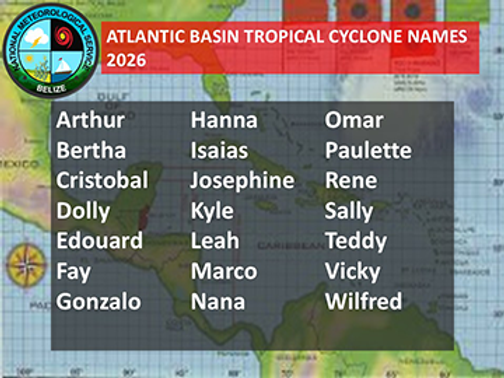
The 2026 Atlantic hurricane season is scheduled to officially kick off on Monday, June 1, and will run its full six-month course through November 30. Though these dates mark the formal bounds of the annual storm season, meteorological officials have emphasized that tropical cyclones are not bound by calendar constraints, and off-season development remains a persistent possibility.
Lead forecasting bodies are projecting that this year’s hurricane activity will land slightly below the long-term historical average. Across the entire Atlantic Basin, the current outlook estimates that between 8 and 14 tropical systems will strengthen enough to earn formal named status. Of those developing disturbances, forecasters anticipate 3 to 6 will intensify into full hurricanes, with 1 to 3 gaining enough power to reach major hurricane classification – Category 3 or higher on the Saffir-Simpson scale.
To put this projection in context, a typical average Atlantic hurricane season sees around 14 named storms, 7 hurricanes, and 3 major hurricanes form over the course of the season.
Belize’s National Meteorological Service (NMS) has identified two key competing climate factors that will shape storm development over the coming months. Meteorologists report there is a high probability that an El Niño climate pattern will emerge over the course of the hurricane season. El Niño conditions are historically linked to reduced hurricane activity across the Atlantic Basin, thanks to shifts in atmospheric wind patterns that inhibit tropical cyclone formation and strengthening.
Counteracting this suppressing effect, however, is the ongoing trend of above-average sea surface temperatures across much of the Atlantic. Warmer ocean waters act as a critical energy source for tropical cyclones, creating favorable conditions for disturbances to organize and intensify as they move across open water.
Crucially, official forecasters have stressed that seasonal outlooks only provide a broad estimate of overall storm activity across the entire basin. These projections cannot accurately predict the exact timing of individual storm formation or the specific path any developing system will take. Even with the prediction of fewer total storms this season, Belize still faces a tangible risk of being impacted by one or more storm systems between June and November.
In response to this ongoing risk, the NMS and Belize’s National Emergency Management Organization (NEMO) have launched a public outreach push urging all residents to maintain consistent preparation for potential severe weather. Local authorities are advising all households and business operators to review and update their existing emergency response plans, as well as restock and refresh emergency supply kits ahead of any potential threat.
The NMS has confirmed that it will maintain continuous, close monitoring of all developing weather systems throughout the season. If any storm begins to track toward Belize, the service will issue timely updates to both NEMO and the general public to keep communities informed. NEMO and its network of local emergency committees across the country have also confirmed they are fully prepared to activate the national Hurricane Response Plan immediately if a storm threatens the nation.
In a final public note, officials are reminding all Belizeans to only trust weather and emergency updates released directly by official NMS and NEMO channels. They have also issued a warning that the distribution of false or misleading information related to hurricane threats constitutes a criminal offense under local law.