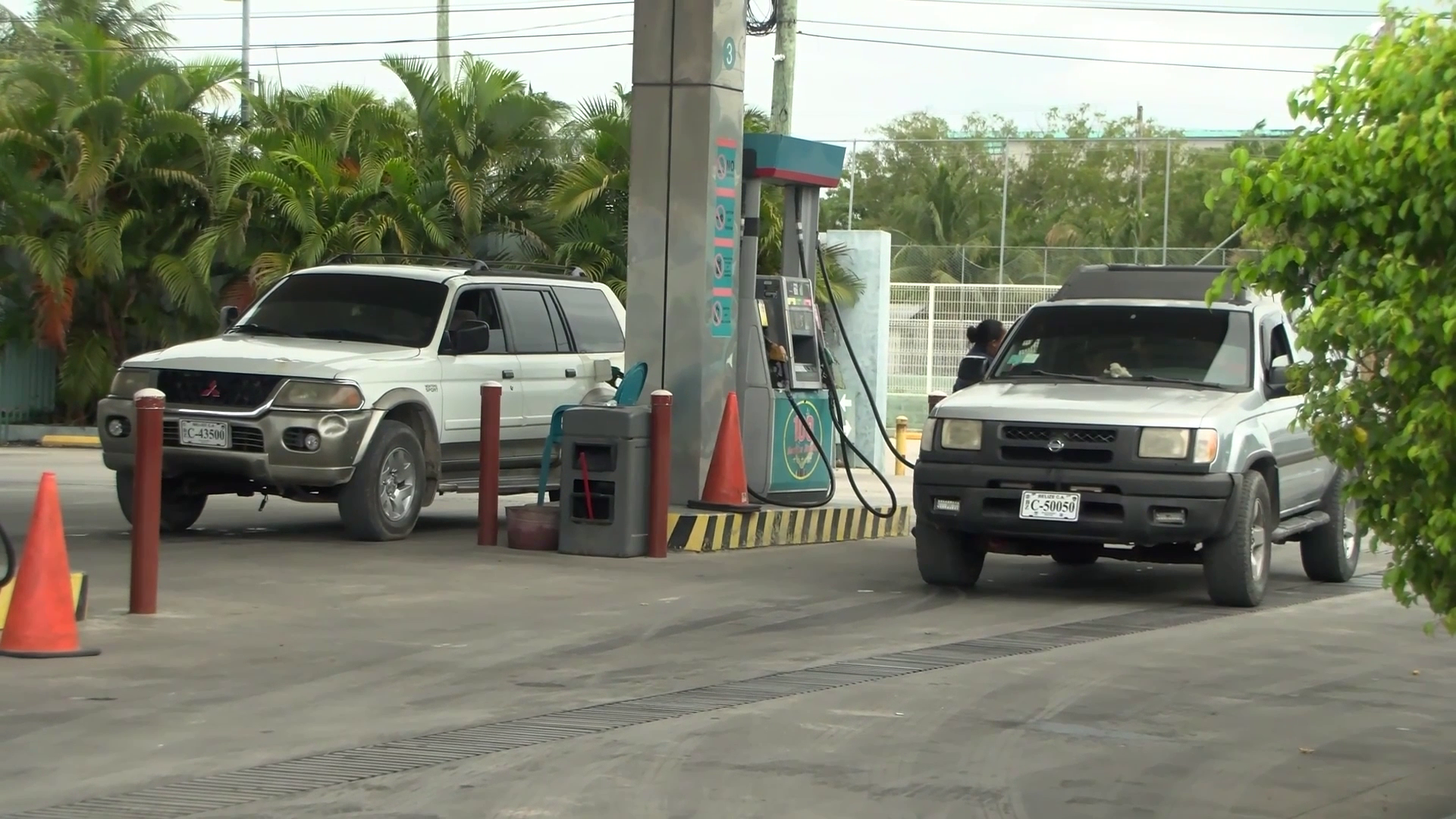
A bitter public dispute has erupted in Belize over fuel pricing, putting Prime Minister John Briceño’s government in the hot seat after it implemented unexpected cuts to fuel dealer profit margins that have left industry representatives furious.
Fuel dealers argue the Briceño administration violated a long-standing collaborative agreement that has governed the nation’s fuel sector since 2004. Under that 20-year-old framework, any adjustments to dealer margins required prior consultation between the government and industry stakeholders. Dealers contend the sudden, unilateral move breaks decades of established trust and the shared understanding that all changes to pricing structures would go through collaborative dialogue. As tensions continue to escalate, industry representatives are stepping up their pushback against the policy.
Prime Minister Briceño, however, is standing firm in his defense of the swift decision, framing the margin cuts as a necessary response to an urgent national crisis. With global and domestic fuel prices skyrocketing to unprecedented levels in recent years, Briceño argues that waiting for a lengthy consultation process would have imposed unnecessary additional harm on cash-strapped consumers. While he has left the door open for future negotiations with dealers, he stressed that in the face of a rapidly unfolding cost-of-living crisis, delay was simply not a viable option.
Briceño, who holds a personal stake in Belize’s fuel industry, offered a rare transparent breakdown of how the country’s fuel pricing system operates, giving the public an inside look at a mechanism that affects every driver and consumer in the nation. He explained that the 2004 framework was designed to let market forces adjust margins dynamically alongside fluctuating fuel prices, eliminating the need for frequent negotiations over profit levels. But he noted that when the agreement was drafted, fuel hovered around $5 per gallon — a far cry from today’s prices that have surged to between $13 and $15 per gallon. Under the original formula, higher retail prices automatically translate to larger absolute margins for dealers, a dynamic that was never anticipated when the 2004 deal was struck.
Citing input from a former Texaco executive, Briceño pointed out that Belize currently has some of the highest fuel dealer margins in the region, a gap that widened as global prices climbed. He argued that as the government has already cut fuel taxes to reduce consumer costs, and households are already shouldering the burden of higher prices, it is only fair that dealers also contribute to easing pressure on the public by accepting a reduced margin. The cut implemented by the administration amounts to just under $1 per gallon. Briceño acknowledged that dealers would naturally prefer to retain higher profits, but emphasized the need for shared sacrifice during a period of national economic stress.
The prime minister also called on major multinational fuel operators active in Belize, including PUMA Energy, to reevaluate their own pricing structures, particularly around facility rental fees and revenue sharing from in-store retail sales at gas stations.
In his breakdown of the country’s fuel supply chain, Briceño explained that imported fuel costs are calculated based on suppliers’ stated acquisition costs, shipping fees, and throughput charges for processing fuel through terminal facilities. After these base costs are tallied, dealer margins are added under the existing formula, followed by government taxes. He also noted that fuel prices vary across Belize’s districts due to added transportation costs, a reflection of the country’s geographic spread.
Unlike many larger nations, Belize does not maintain large strategic fuel reserves, Briceño confirmed. The country receives fuel shipments one to two times per month, aligned with current consumption rates, and building large-scale storage infrastructure to hold tens of millions of gallons of reserve fuel is currently unaffordable for the small nation.
This dispute comes as rising energy costs continue to be a top economic pressure for households across Belize, putting both the government and industry stakeholders under growing public scrutiny over how retail fuel prices are determined.