KINGSTON, Jamaica – In a major step to strengthen the Caribbean nation’s disaster preparedness infrastructure, the World Bank announced Tuesday the successful launch of a new catastrophe bond that delivers $200 million in hurricane insurance protection to the Jamaican government.
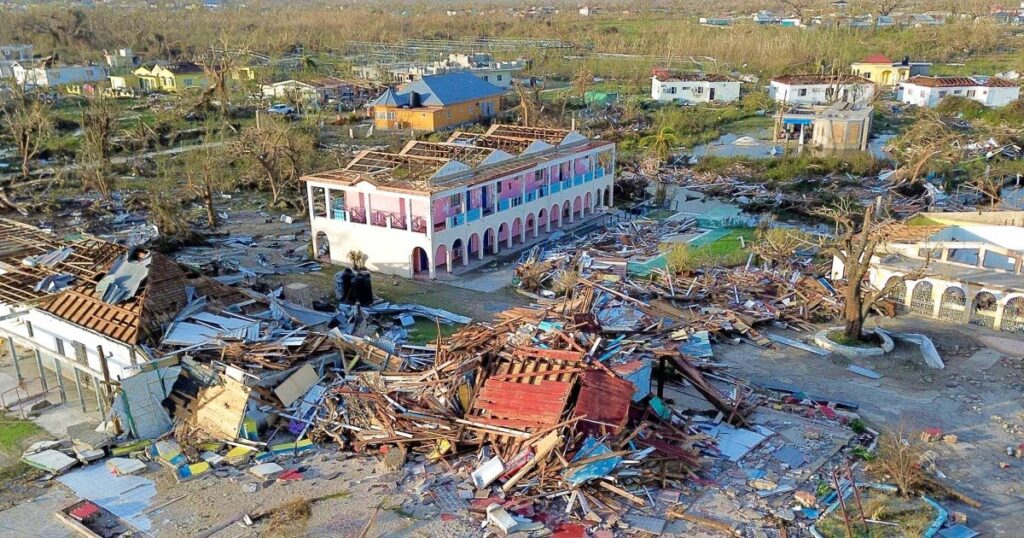
Structured and issued through the International Bank for Reconstruction and Development (IBRD), the new three-year instrument replaces an earlier $150 million catastrophe bond that was completely drawn down in 2025. The full payout came after Hurricane Melissa made landfall on the island in October that year, causing widespread destruction across coastal and inland communities.
Jamaica’s Ministry of Finance released a statement Wednesday confirming that the 2026 bond issuance drew far stronger interest from the global investment community than the country’s prior offering in 2024. The new deal counted participation from 25 international investors, a marked increase from the 15 investors that took part in the 2024 issuance.
As part of the IBRD’s long-running “capital at risk” notes program, this type of catastrophe bond offers a structured mechanism for developing nations to shift the financial burden of natural disaster damage from public balance sheets to global capital markets. Under the terms of the framework, the World Bank issues the bond on Jamaica’s behalf and executes a formal risk transfer agreement with the government to lock in the coverage.
Payouts will be automatically triggered if a named tropical cyclone meets predefined geographic and intensity thresholds written into the bond contract. This streamlined trigger structure eliminates lengthy claims negotiations, ensuring funds are disbursed quickly to support emergency response and early recovery efforts in the aftermath of a major storm.
The new catastrophe bond is a core component of Jamaica’s broader multi-layered disaster risk financing strategy. The national strategy is built around three key goals: boosting the country’s overall financial resilience to climate-driven extreme weather events, enabling rapid mobilization of resources for disaster response, and cutting long-term fiscal pressure that comes with unplanned disaster recovery spending.
Fayval Williams, Jamaica’s Minister of Finance and the Public Service, praised the successful placement of the bond and extended gratitude to the international partners that supported the transaction. “Jamaica is incredibly grateful to the World Bank for its market guidance and placement of the catastrophe bond across a wide cross-section of global investors,” Williams said. “Additionally, Jamaica says ‘thank you’ to the Monetary Authority of Singapore, who will be supporting the transaction financially.”
The bond is set to reach maturity on May 23, 2030, providing Jamaica with nearly four years of continuous hurricane coverage as the country adapts to growing climate risk in the Caribbean region.