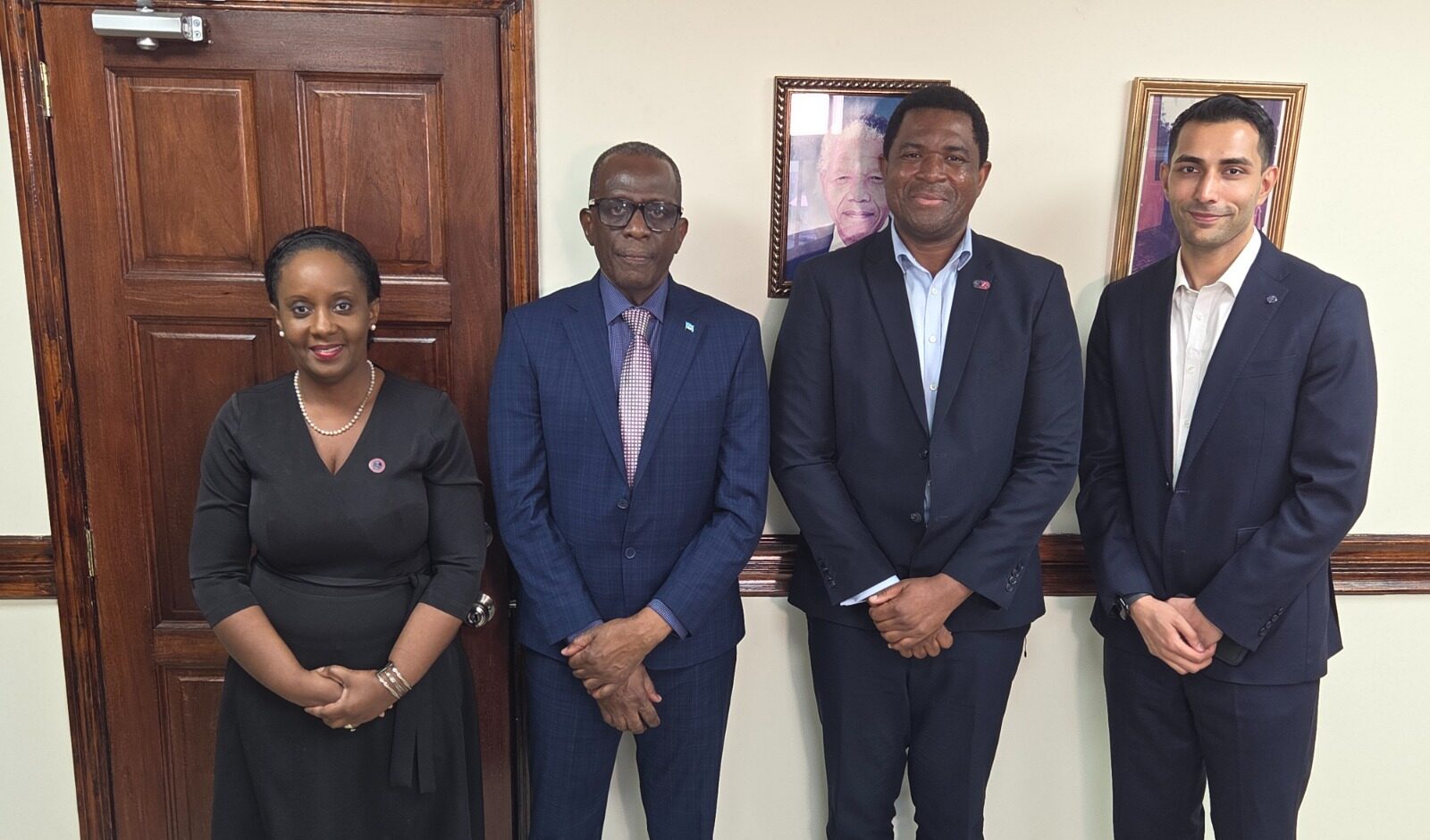
Small Island Developing States across the global policy landscape share a common set of fiscal challenges, particularly when it comes to managing public debt. Today, one Caribbean nation stands out as a trailblazer in this space: Saint Lucia has earned official acclaim from the Commonwealth Secretariat for its far-reaching public debt management reforms, cementing its status as a blueprint for peer nations facing similar fiscal pressures.
The island nation’s finance department-led overhaul of its debt governance framework has drawn such praise that the Commonwealth Secretariat is now producing a feature documentary to walk other member states through Saint Lucia’s modernization journey. The documentary will be distributed across the Commonwealth’s social media channels and broadcast partners spanning the Caribbean and Pacific, where many small island states grapple with comparable debt management hurdles.
At the core of Saint Lucia’s transformation is a strategic adoption of new digital infrastructure: the Commonwealth Meridian Debt Management System. This cloud-based, web-enabled platform was rolled out in 2019, making Saint Lucia the first Caribbean country to implement the tool. The system grants government officials real-time, centralized access to comprehensive debt data, streamlining processes for tracking repayment obligations, mitigating lending risks and monitoring lender exposure.
Reforms, spearheaded by the government’s Debt and Investment Unit, have delivered more than just technological upgrades. According to senior officials, the overhauls have dramatically boosted fiscal transparency, tightened evidence-based policy decision-making, and positioned the island as a regional leader in 21st-century debt governance. These gains have already reinforced Saint Lucia’s standing as a responsible borrower in global markets.
Imran Williams, Director of Finance for Saint Lucia, emphasized the critical role of the partnership with the Commonwealth Secretariat in driving these changes. Beyond the adoption of the Meridian platform, the Secretariat provided targeted support for revising the nation’s Public Debt Management Act, refining day-to-day operational protocols, and building institutional capacity within the Debt and Investment Unit. Williams noted that robust, transparent debt management is non-negotiable for retaining investor confidence, a key pillar that allows the government to continue funding critical national development projects in a sustainable, responsible manner.
For Vera John-Emmanuel, Deputy Director of Finance overseeing the Debt and Investment Unit, the true test of the Meridian system’s value came during the height of the COVID-19 pandemic. When public sector operations were forced remote to slow virus spread, the platform allowed debt servicing teams to keep working seamlessly, all while meeting mandatory international and domestic reporting deadlines on schedule.
Snobar Abbasi, Senior Communications Officer at the Commonwealth Secretariat, explained that the documentary is just one part of a broader organizational initiative to highlight successful collaborative debt management outcomes across the 56-nation Commonwealth bloc. By elevating the Saint Lucia model, the Secretariat aims to equip other small island developing states with actionable insights to strengthen their own fiscal frameworks.
Following the completion of reforms, Saint Lucia’s government reports tangible progress: the overhauls have deepened fiscal openness, elevated the standards of public financial management across the public service, and cemented the island’s reputation for disciplined, responsible debt governance moving forward.