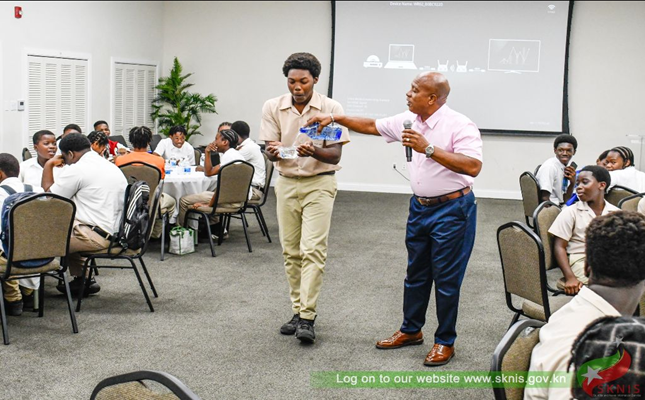
BASSETERRE, Saint Kitts – One day ahead of its official public announcement, adolescent boys from across the Caribbean island nation gathered at the Cuna Conference Room on May 21, 2026, for a landmark youth-focused event: the Teen Boys Conference, organized by the country’s Department of Gender Affairs. Built around the ambitious, youth-centered theme “Promoting Healthy Choices, Responsible Relationships, Educational Success and Consent,” the day-long event was designed to directly address the unique developmental gaps that often leave adolescent boys without targeted guidance on critical life issues.
Unlike traditional lecture-style youth workshops, the conference leaned into interactive, approachable programming, opening with a light, engaging practical exercise led by probation officer Lauston Percival to help participants feel comfortable sharing. Over the course of the day, a lineup of experienced speakers led dynamic discussions on high-stakes topics rarely covered comprehensively in standard school curricula: boys’ sexual and reproductive health, boundaries in healthy dating relationships, legal literacy surrounding the island’s Romeo and Juliet Clause, and the long-term impact of staying engaged in secondary education.
Organizers intentionally structured the event to create a judgment-free, safe space, a deliberate choice that encouraged attendees to speak openly about their personal challenges and questions without fear of stigma. In his opening welcome address, Tchaikouski York, a Gender Field Officer with the Department of Gender Affairs, framed the conference as more than a one-off workshop: it is a direct fulfillment of commitments laid out in the country’s 2021 National Gender Policy and Action Plan.
That national policy framework explicitly recognizes that adolescent boys in Saint Kitts face a unique set of gender-specific developmental barriers, particularly in the realms of educational retention and health access. It calls for expanded targeted programming that builds life skills, increases awareness of critical health and legal issues, and strengthens support systems to keep boys connected to school and empower them to make well-informed decisions for their futures. Thursday’s conference marked a key milestone in turning that policy commitment into tangible, on-the-ground support for the nation’s youth.