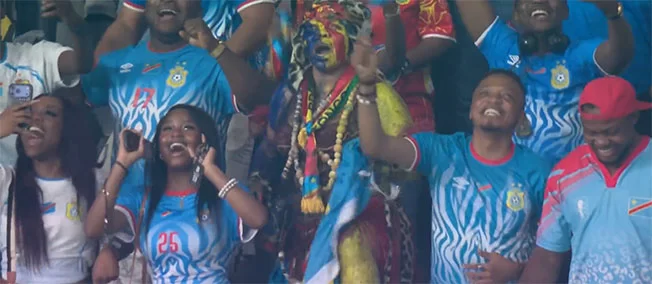
In a dramatic Group K World Cup clash on June 27, the Democratic Republic of Congo pulled off a spectacular second-half comeback to defeat Uzbekistan 3-1, keeping their knockout stage qualification dreams alive while eliminating their Central Asian opponent.
Uzbekistan got off to a flying start in the first half, capitalizing on DR Congo’s lack of attacking sharpness to take a 1-0 lead into the halftime break. At that point, the Asian side looked on course to pull off a major upset against their Central African opponent, with their first-half performance putting them in a strong position to claim their first points of the group stage.
But DR Congo emerged from the locker room a transformed side after the break. upping their pressing intensity, showing greater attacking courage, and introducing more dynamic movement up front that gradually pushed Uzbekistan deeper and deeper onto the back foot. The turnaround was fully deserved: where the Congolese side had wasted their few first-half openings, they converted their chances clinically in the second 45 minutes, turning a one-goal deficit into a comfortable 3-1 win. Uzbekistan could not cope with the sustained pressure, watching their halftime advantage slip away to a defeat that ended their tournament.
The final Group K standings confirm Colombia as group winners with seven points, followed by Portugal in second place on five points. DR Congo finishes third with four points, while Uzbekistan closes out the group winless and point less, bowing out of the competition.
For DR Congo, the third-place finish puts them firmly in the race to advance as one of the best third-placed teams across all group stages. With four points and a positive goal difference, the Leopards hold a strong position ahead of final group results from other pools, as many other third-placed sides currently sit below DR Congo on points or goal difference.
Uzbekistan’s World Cup campaign ends in disappointment, with the side falling to three defeats from three group matches despite entering the final fixture with a chance to pick up points. Still, their participation at this World Cup marks a key milestone for the development of football in Central Asia. The country has invested heavily in youth development and gaining international experience for its players over recent years, though this tournament has shown that the squad still needs further improvement to compete consistently at the highest global level.
DR Congo’s comeback, by contrast, reaffirms the strength and resilience that modern African football has become known for. The Leopards boast a mix of physical power, pace, and experience gained from players plying their trade across top European leagues. After an opening defeat to Colombia and a hard-fought draw with Portugal, their knockout stage hopes looked hanging by a thread heading into the final group match – but they delivered when it mattered most.
This 3-1 victory is far more than just three points for DR Congo. It is a lifeline in one of the tournament’s toughest groups, drawn alongside two European and South American heavyweights. While DR Congo is not yet guaranteed a spot in the knockout round, their current standing puts them in pole position to advance as one of the best third-placed teams.