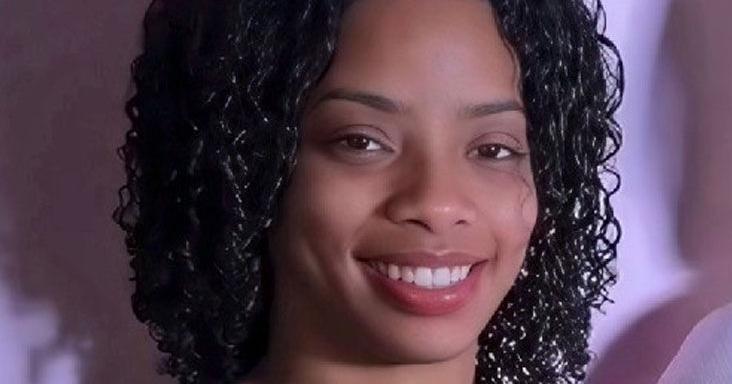
Nearly four months after a deadly police-involved shooting in St Augustine, Trinidad and Tobago, law enforcement officials have announced multiple arrest warrants for Kaia Sealy, the common-law wife of the man killed in the January 20 incident. The development follows a months-long comprehensive probe and formal guidance from the Office of the Director of Public Prosecutions (DPP), the Trinidad and Tobago Police Service (TTPS) confirmed in an official statement released late this week.
Sealy, a 31-year-old resident of Bamboo Settlement No. 1 in Valsayn, faces three counts of shooting with intent to inflict grievous bodily harm against police officers. These charges are laid under Section 12 of the nation’s Offences Against the Person Act, tied directly to the confrontation that unfolded at the intersection of College Road and Bassie Street Extension. Alongside the firearms-related charges, Sealy has also been charged with manslaughter for the unlawful death of her partner, 51-year-old Joshua Samaroo, plus additional unspecified related offences. As of Thursday, none of the warrants had yet been executed, according to TTPS.
The January 20 incident originated as a police chase that ended in an exchange of gunfire between officers and the two occupants of the chased vehicle. Both Samaroo and Sealy were hit by gunfire during the confrontation and rushed to the Eric Williams Medical Sciences Complex in Mt Hope for emergency care. Samaroo ultimately succumbed to his injuries during treatment; an autopsy later confirmed he was struck 19 times. Sealy suffered a critical gunshot wound to her back, with her family previously telling media that the injury left her paralyzed.
Circulated CCTV footage of the shooting quickly spread across social media platforms after the incident, sparking widespread public outrage and intense scrutiny over the TTPS’s use of force in the encounter. Within hours of the shooting, Police Commissioner Allister Guevarro publicly characterized the event as a mutual exchange of gunfire, but the leaked footage fueled ongoing public skepticism about the official narrative.
Guevarro first updated the public on the investigation’s progress back in March, noting that the probe was in its final stages and that investigators were waiting on completed forensic reports from the Forensic Science Centre before submitting the full case file to the DPP for charging guidance. On Tuesday of this week, investigators received the final forensic documents, and met with DPP officials the following day to review the findings. Guevarro announced during a Thursday news conference held at the Police Administration Building in Port of Spain that DPP Roger Gaspard, SC, had formally directed investigators to move forward with criminal charges stemming from the incident. At that time, Guevarro declined to reveal the identity of the person to be charged or the number of counts that would be laid.
Unnamed law enforcement sources told local media late Thursday that Sealy left Trinidad and Tobago roughly one month ago, which has prevented officers from serving the outstanding warrants. The TTPS has confirmed it is now collaborating closely with international law enforcement partners to locate Sealy and arrange for her extradition back to the country to face the charges.
Separately, the Police Complaints Authority (PCA), the independent body overseeing police conduct in the nation, confirmed Thursday that its own parallel investigation into the shooting incident remains active. In an official statement, PCA officials noted that the case underscores the longstanding need for all police officers to wear body-worn cameras during operations. “Incidents of this nature highlight why the PCA has consistently advocated for the use of body-worn cameras by police officers to provide an objective record of events and help reduce discrepancies and speculation such as in this matter,” the statement read. Authorities added that despite the lack of body camera footage, investigators are continuing to review all available evidence to build a clear timeline of the events that led to Samaroo’s death.