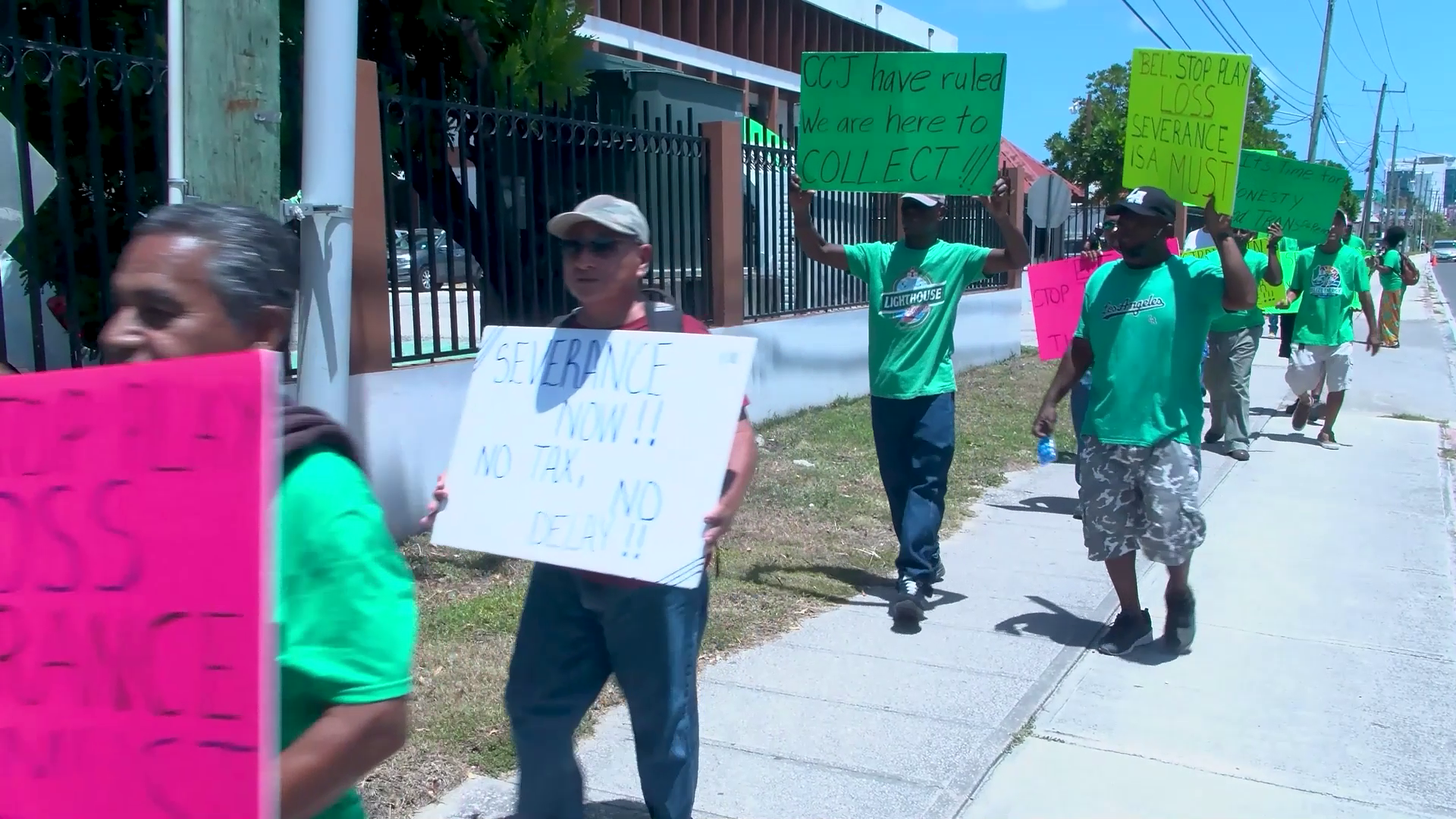
In a landmark decision that has sent ripples through global labor advocacy circles, the International Court of Justice (ICJ), the United Nations’ highest judicial body, has formally affirmed that the right to strike is protected under the core International Labour Organization (ILO) Convention 87, delivering a critical boost to Belizean workers who have long pushed for clearer legal protections for collective action.
Dated May 22, 2026, the ruling clarifies a long-debated interpretation of global labor standards, cementing the link between the fundamental right to freedom of association enshrined in ILO Convention 87 and workers’ ability to withdraw labor as a collective bargaining tool. For the Central American nation of Belize, the international decision carries particular local weight. While Belize’s national constitution already enshrines the rights to freedom of assembly and association, the ICJ’s ruling adds an authoritative, binding layer of international legal protection that reinforces domestic labor rights.
Dean Flowers, president of Belize’s Public Service Union, framed the decision as a transformative victory for workers both in Belize and across the globe. He noted that while Belize has not historically blocked workers’ right to strike, countless workers in other regions have faced violent repression, imprisonment, and legal bans when they have taken collective action after reaching an impasse with employers or governments. “This solidifies our right here in Belize to continue withdrawing our labor when government believes that they can ignore us,” Flowers explained in an interview following the ruling. “It gives us the assurance that we can act when government tries to impose policy decisions on the people we represent without meaningful consultation.”
Flowers emphasized that Belizean workers do not use strike action arbitrarily; strikes are only called when core constitutional rights to engagement, consultation, and transparent communication have been breached by authorities. Looking ahead, he called on Belizean policymakers to update domestic legislation to explicitly codify the right to strike in the revised Trade Unions Registration and Recognition Act, arguing that the formal legal alignment with the international ruling would strengthen labor protections for all Belizean workers.
Legal analysts have cautioned that the ICJ ruling does not serve as a blanket “free pass” for unregulated work stoppages, nor does it outline specific rules governing when and how strikes may be conducted. Instead, the decision’s core contribution is its clear, formal confirmation that the right to strike falls under the protection of freedom of association guaranteed by international labor law, setting a binding precedent for labor rights disputes across all ILO member states.
This report is adapted from a transcript of a televised evening newscast focused on Belizean current affairs.